

$150 billion of AI chips, bought on credit…
A year after the cascade, the borrowing moved to AI. Dylan Jovine on why the AI boom is now a credit bet, and why this week’s bank earnings matter. →
October 12, 2026
·
5 Min Read




The briefing serious investors read first.
Free analysis before markets open. Start thinking in decades, not days.
Join 45,000+ readers · No spam · Unsubscribe anytime · No card needed
Today’s Big Picture
On Friday we marked one year since leverage broke the digital-asset market: more than $19 billion in borrowed bets closed out in 24 hours.
A year later, that market carries less borrowed money. Bitcoin’s leverage ratio has fallen for four straight months, to its lowest since August 2024.
The borrowing moved to AI.
Last week brought reports of roughly $150 billion in proposed financing to pay for AI chips, for SpaceX, OpenAI and Anthropic. Much of it runs through the same few private-credit firms.
The question for AI is now the one digital assets faced a year ago: what happens when the lenders get nervous?
This week, the lenders report. JPMorgan, Goldman Sachs, Wells Fargo and Citi post earnings Tuesday, and Bank of America and Morgan Stanley follow Wednesday.
Three of those banks are selling pieces of the Anthropic loan to other investors right now. Below, Dylan Jovine explains why that makes AI a credit bet.
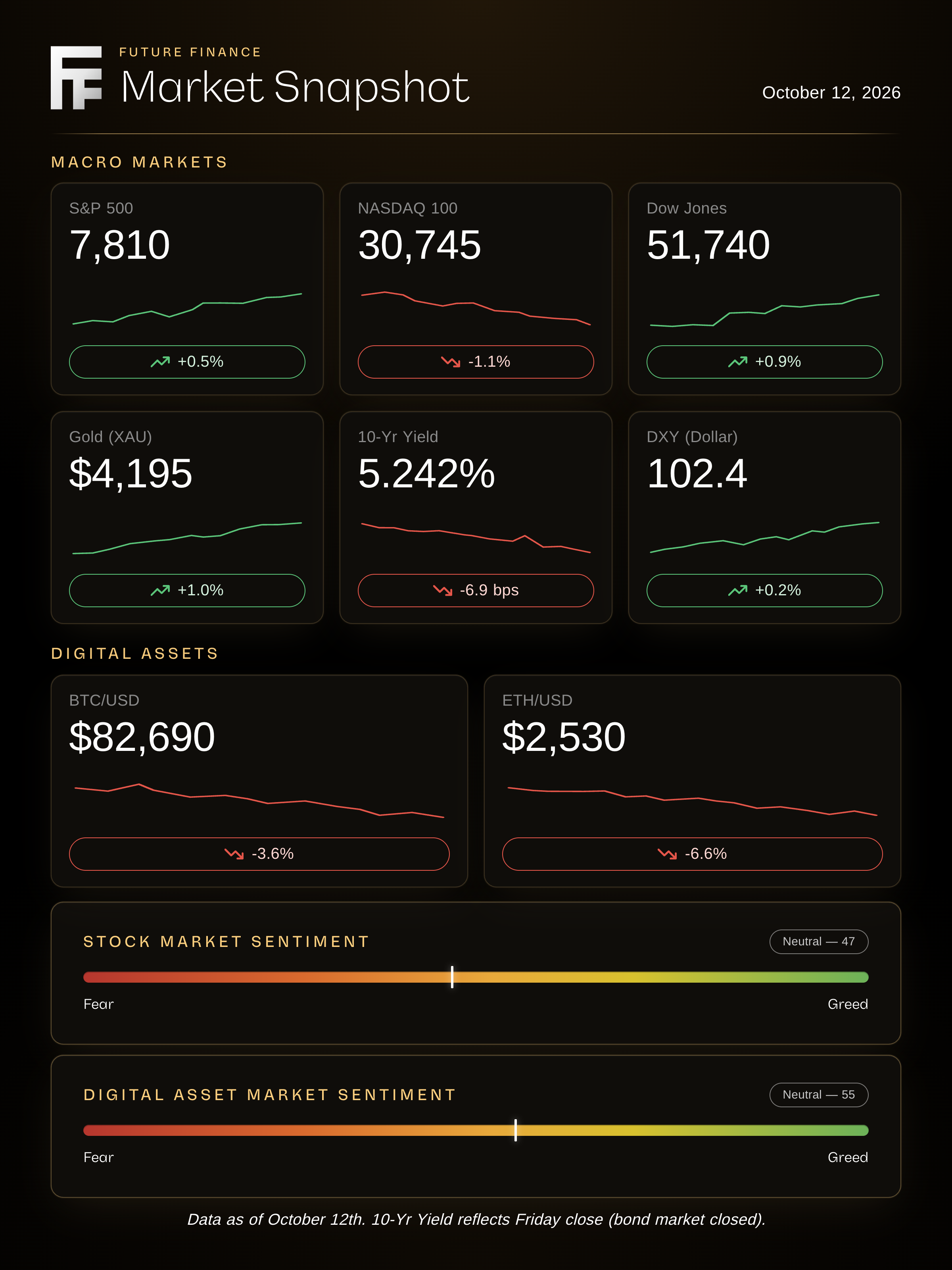
A 60-Year Midterm Pattern Just Broke In 2026
Tan Gera, CFA, has tracked a pattern he says has played out around every recent midterm election, including near Bitcoin’s last three bottoms.
This year, he says, it broke for the first time.
On Wednesday, he’ll walk through what changed, the warning sign he’s watching in the bond market, and the three-phase plan he’s following with his own money before December 31.
It’s free and live on Wednesday, October 14, the same day September’s inflation report lands. Registering takes about 15 seconds.
Signal vs. Noise
OpenAI’s Missing $20 Billion Was a Counting Gap
- The noise: a report Thursday that OpenAI’s revenue run-rate sat about $20 billion below figures that had been circulating, and the Nasdaq fell 1.25%.
- The signal: how the number was counted. The Financial Times reported that OpenAI told investors its annualized revenue was approaching $50 billion at the end of September.
The roughly $70 billion figure floating around earlier was built to compare with Anthropic, which counts its cloud partners’ sales as its own revenue. OpenAI counts only its share.
For beginners: the gap comes from two ways of counting the same kind of sales, and no customers walked away.
What matters is that one unaudited number from a private company moved the whole Nasdaq. A lot of AI pricing rests on figures outside investors can’t check.
Delta Absorbed a $6 Billion Fuel Bill

- The noise: Delta posted record quarterly revenue of $17.6 billion, up 16%, and said demand remains strong.
- The signal: the forecast. Delta earned $1.72 a share, below its own July range of $2.00 to $2.50, after paying $3.61 a gallon for fuel, up 60% from a year ago.
It then cut its full-year profit outlook to $5.10 to $5.60 a share, from $6.50 to $7.50. Frank Curzio warned last week that costs rising mid-quarter would push companies to do exactly this.
Delta’s fourth-quarter plan assumes about $4.25 a gallon. This weekend’s Houthi missile attack on Riyadh’s main airport, which killed at least 12 people, and a claimed strike on a Saudi Aramco refinery are the kind of news that keeps that number high.
The Lenders’ Own Investors Want Out
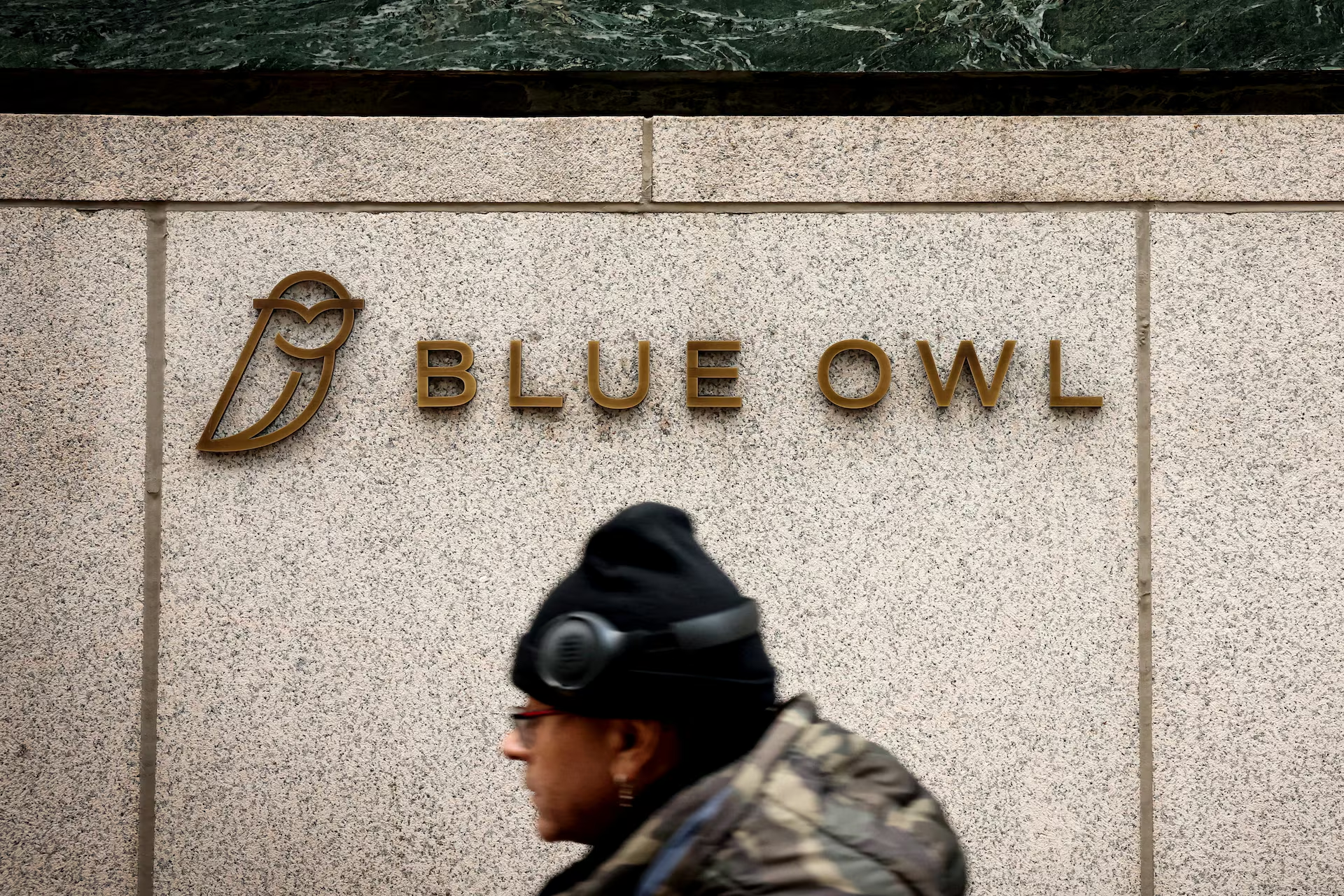
- The noise: private credit has become one of the fastest-growing corners of Wall Street, with about $2 trillion in direct lending worldwide, by the IMF’s count.
- The signal: the exits. On October 2, Blue Owl capped withdrawals at two of its funds at 5% again, after investors asked to pull out 39% and 17%. Blackstone’s flagship credit fund capped withdrawals in the second quarter, too.
For beginners: these funds hold loans that are hard to sell quickly, so they limit how much investors can take out at once. When requests run far above the cap, some investors want their money back faster than the loans can be sold.
These are the same kinds of firms now lining up to finance AI chips, which is why Dylan Jovine says to watch the lenders.
Featured Contributor

Today’s guest is Dylan Jovine of Behind the Markets. Over nearly three decades on Wall Street he founded the brokerage and investment bank Lexington Capital Partners at 24, then built his research firm Tycoon Publishing to more than 500,000 readers across 28 countries before selling it to Agora in 2011. Nothing here is a recommendation.
The AI Boom Just Ran Out of Cash
The 10-year Treasury yield closed at 5.31% last Monday, its highest close since 2002. It briefly traded above 5.35% before easing to 5.24% by Friday’s close, per the U.S. Treasury.
Hold that number in your head.
Because the AI boom just picked the most expensive moment in a generation to start borrowing.
SpaceX is seeking about $40 billion in debt to buy Nvidia chips, a deal first reported by the Financial Times and confirmed by Reuters and Bloomberg.
Not rockets. Chips.
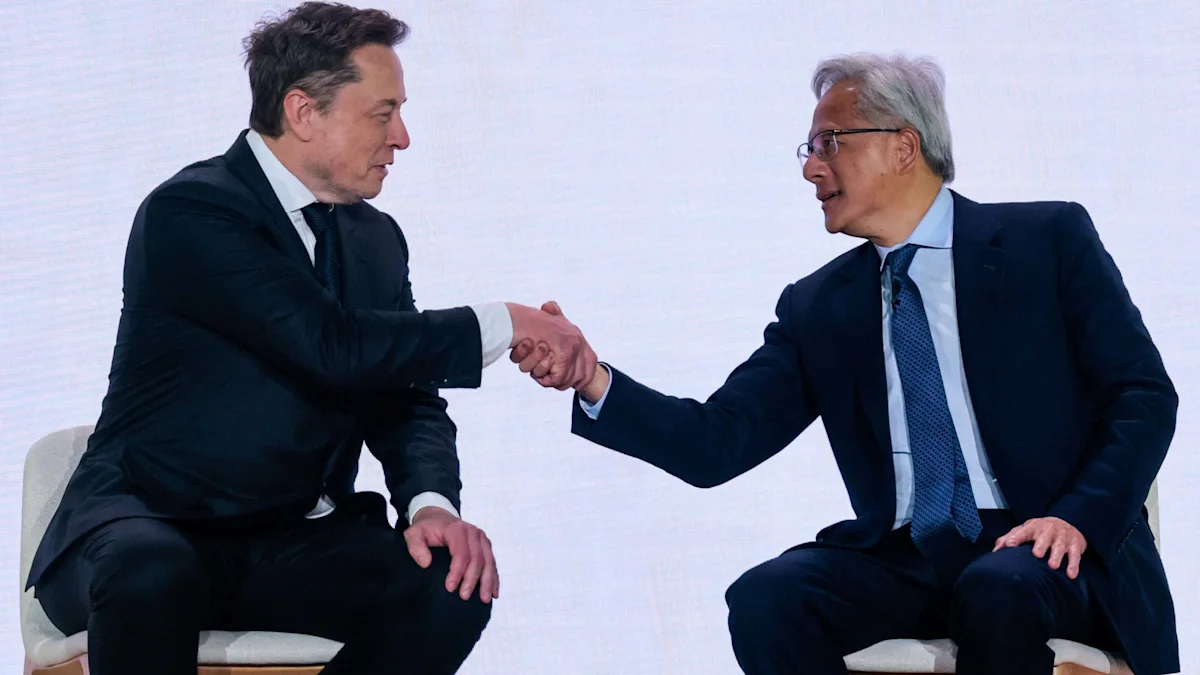
Apollo Global Management is expected to lead the deal, with Pimco among the lenders in talks, per Bloomberg. The talks are preliminary, and the deal isn’t expected to close until 2027.
Then last Wednesday, the Wall Street Journal reported that Broadcom is arranging more than $50 billion in financing so OpenAI can pay for the custom chips the two companies are building together.
That partnership, announced last October, targets 10 gigawatts of custom chips by the end of 2029.
And banks have begun syndicating the first $42 billion of a $60 billion package to fund Anthropic’s computing capacity, backed by Broadcom, per the Financial Times.
The other $18 billion, still to come, has no Broadcom backing. Blackstone is leading it, with $9 billion from its own funds and plans to sell the rest to other lenders.
Add those three up and you get roughly $150 billion of proposed chip financing, most of it still in talks.
In a single week of headlines.
The first wave of this buildout was paid for largely in cash, by the companies that mint it. Microsoft, Google, and Meta funded their data centers from some of the largest cash flows in corporate history.
They borrowed too. Meta sold a record $30 billion bond last October, and the five biggest cloud companies issued about $121 billion of U.S. bonds last year, per BofA. But they borrowed against giant cash flows.
This wave is different.
SpaceX, OpenAI, and Anthropic are private companies. Brilliant ones. But none of them has a Big Tech balance sheet.
So the chips go on credit.
My read: stop watching the borrowers and start watching the lenders.
Apollo shows up in the SpaceX talks and in Broadcom’s financing deals. Blackstone too, per the Journal. The same handful of private credit giants is quietly underwriting the chip orders of an entire industry.
When that happens, AI stops being just a technology bet. It becomes a credit bet.
And credit bets behave very differently at 5.3% than they did at 2%.
Nobody borrows $40 billion with Treasury yields at their highest since 2002 because they want to. You do it because you believe the race won’t wait for rates to come down.
Maybe they’re right. The last three years have rewarded everyone who refused to blink.
But bull markets built on cash end when the believers run out of conviction. Bull markets built on debt end when the lenders do.
- Dylan Jovine
Behind the Markets
Advertisement
Everyone’s Chasing The AI Stocks. The Smarter Question Is What’s Underneath Them.
You just read what chasing the AI trade has done to people this summer. Whipsawed in June, whipsawed again in August.
Here is the part most investors never step back far enough to see.
America is carrying more than $39 trillion in debt, and the interest bill alone now runs past $1 trillion a year. Growth is the only realistic way out. And the government is betting on AI to deliver it.
That bet has to run through one specific asset class before a single model gets smarter.
Institutions like Goldman Sachs and BlackRock are already pointing there, and our research team just put the whole case into one free presentation.
Watch the free AI presentation right here…
Final Thought
A year ago, digital-asset traders learned what happens when everyone borrows against the same thing at the same time.
The AI buildout is running a slower version of that experiment, with chips as the collateral and private-credit funds as the lenders. Nothing is breaking. The questions to ask are the same ones, though: who holds the loans, and how fast can they sell them?
That’s what to listen for on the bank calls Tuesday and Wednesday. Then on Wednesday morning, September’s inflation report decides how expensive all that borrowing gets.
The bond market is closed today for Columbus Day; stocks are open. See you tomorrow.
Editor in Chief | Future Finance
One Subscription. The Entire Gems Uncovered Research Library.
You just read why the surface of the news rarely tells the whole story.
Gems Uncovered is built on that same principle. It's our weekly research briefing on early-stage assets and native market access, the opportunities that build real wealth before they ever reach a mainstream exchange.
One level beneath the headlines is where the edge lives.
Disclaimer: This content is not financial advice, it is for informational purposes only. All investments involve inherent risk. Any financial decisions you make are solely your responsibility.
Latest



Editor's Picks

Become a sharper capital allocator in 5 minutes a day.
Institutional-grade research on where the smartest capital is positioning, across AI, energy, biotech, robotics, and digital assets. Distilled into a daily read you finish before your coffee does.
Join 45,000+ readers · No spam · Unsubscribe anytime · No card needed