
Regular Contributors
The investors, analysts, and operators behind Future Finance research. Each brings a distinct edge and their own track record to back it up.
Tan Gera is a CFA charterholder and former investment banker who left traditional finance to pioneer decentralized portfolio strategy. Fluent in four languages and based across three continents, Tan brings an institutional framework to digital asset investing. A Nasdaq contributor, he develops the core allocation models behind Future Finance, fusing the discipline of portfolio management with the speed of next-gen financial technology. His battle-tested strategies have helped thousands navigate and profit in any market condition.

Aleksander Grandwilewski holds a medical degree, multiple blockchain certifications, and a background in business economics. He turned a failing Private Career College into a seven-figure health care academy with 11 programs. As Head of Education at Decentralized Masters and a Featured Contributor at Future Finance, Doc leads the Beat Banks editorial, delivering twice-weekly intelligence on where real DeFi yield opportunities exist and which platforms are safe to deploy on.

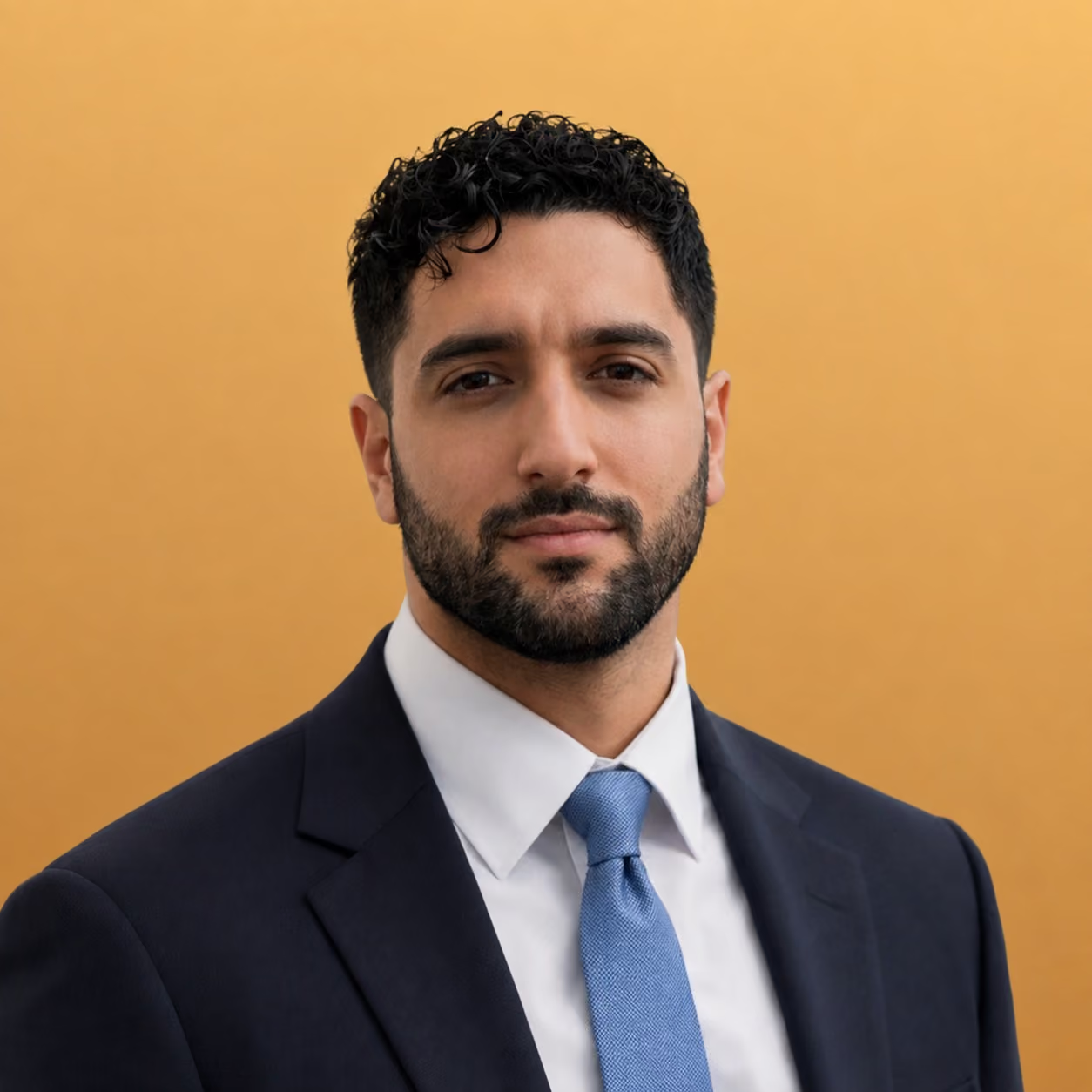
A former pharmaceutical consultant for Pfizer, Roche, Novartis and AbbVie, Rami has written about digital assets since 2020, with work published in Unchained, Cryptonary and NFTs.wtf. As Editor in Chief, he sets editorial direction for Future Finance's 48,000+ readers and its premium research. He also writes the DeFi Accelerator every Decentralized Masters member completes, scripts the bi-weekly Market Intelligence Summit, and serves as creative director for DM's live events.

Kash has spent the last decade at the intersection of digital asset media and markets, building the audiences that move before the crowd does. His method is obsessive by design: take the protocol apart, map who gets paid and why, then find what the market hasn't priced yet.
Before joining Decentralized Masters, Kash led editorial and operations at Cryptonews, scaling the publication from 500,000 to over 2 million monthly clicks and turning it into one of the most-read independent voices in digital assets.
As Editor at Future Finance, Kash owns the market roundups, AI coverage, and price outlooks read by 48,000+ subscribers across the free letter and premium research.
Featured Contributors
Frank Curzio is a stock analyst and digital securities expert with 30+ years in the markets. He spent five years working alongside Jim Cramer at CNBC's Mad Money and launched two investment newsletters at Stansberry Research.
His podcast, Wall Street Unplugged, has been ranked the No. 1 most listened-to financial podcast on iTunes. Frank founded Curzio Research in 2016 and pioneered the financial publishing industry's first security token offering in 2019.
His research has been featured on CNBC, ABC News, CNN Radio, Fox Business, Bloomberg, and MarketWatch.

James Rickards is an economist, lawyer, and investment banker with 40 years of experience on Wall Street.
He served as principal negotiator of the Federal Reserve's rescue of Long-Term Capital Management in 1998 and has advised the U.S. intelligence community and the Office of the Secretary of Defense on capital markets.
He is the author of four New York Times bestsellers, including Currency Wars and The Death of Money.
His analysis appears regularly in the Financial Times, New York Times, and Washington Post, and he is a frequent guest on BBC, CNBC, Bloomberg, and Fox.

James Altucher is an author, entrepreneur, and investor who has founded 20 companies, contributed to the Financial Times, the Wall Street Journal, TechCrunch, and the Huffington Post, and hosted The James Altucher Show, downloaded over 20 million times.
His book Choose Yourself hit No. 1 on the Wall Street Journal bestseller list and sold over half a million copies. A Cornell computer science graduate and early digital asset and AI advocate, he's been featured on CNBC, Fox Business, Forbes, and TED.
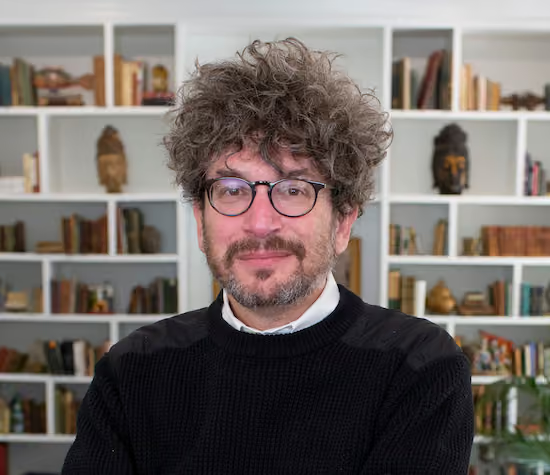
Robert Rapier is an energy and income analyst with three decades of experience across the chemicals, oil and gas, and renewable energy industries.
He spent six years at ConocoPhillips running a team of engineers in Scotland on North Sea oil and gas projects, and holds five patents, including one for a new method of converting ethane into ethylene.
As chief investment strategist of Utility Forecaster, Income Forecaster, and Rapier's Income Accelerator at Investing Daily, he covers energy, utilities, and dividend income.
His work has appeared in Forbes, The Wall Street Journal, The Washington Post, and the Christian Science Monitor, and he has been a featured expert on 60 Minutes and The History Channel.

Maxwell Nee is the Chairman of the Inflection Club, the private investing club built around the companies driving artificial intelligence, energy and infrastructure, robotics, longevity, and blockchain before those companies reach public markets.
He owns the club's deal selection criteria, the twelve-point filter that decides which private opportunities members see and which ones never make it to the table. He reads more private deals in a month than most investors will see in a career, and says no to almost all of them.
Based in Singapore, Maxwell is also the founder and chairman of Family Office Insider, a private network where family offices share co-investment opportunities, warm introductions, and due diligence, and he sits on the investment committee for Investors for Climate.
Before that he managed relationships for $100 million to $500 million businesses at the Commonwealth Bank of Australia and built a multi-award-winning online education company featured in Forbes.
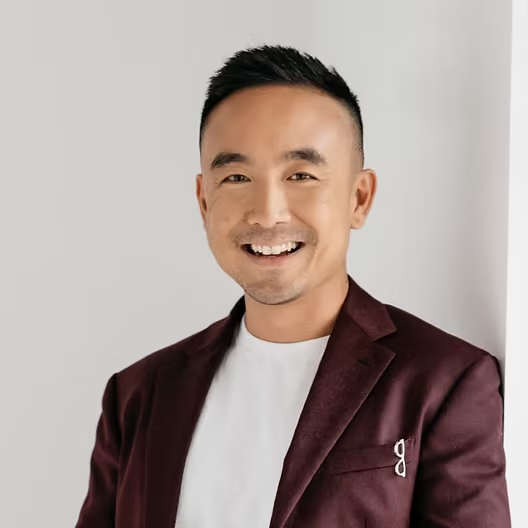
Frank Trotter has spent more than four decades in banking, and most of it building the kind of bank that didn't exist yet. He started in 1981 at Mark Twain Banks in St. Louis, working through commercial lending and rising to president of Mark Twain International Markets.
In 1986 he created something the industry had no category for: WorldCurrency, a deposit product that let everyday Americans hold their savings in foreign currencies instead of betting everything on the dollar. It was an early version of the idea that still runs through his work today, that a saver should get to choose what their money is denominated in.

Dylan Jovine has spent close to 30 years on the side of the trade most investors only read about. At 24, he founded the brokerage and investment bank Lexington Capital Partners on Wall Street, making him one of the youngest people to take a firm through the NASD's year-long membership review. By the time he sold his stake in 2000, the firm made markets in more than 100 securities.
In 2004 he started Tycoon Publishing to give individual investors the kind of independent, conflict-free research that usually stays locked inside institutions. At its peak it reached more than 500,000 readers across 28 countries, and in 2011 he sold it to Agora, one of the largest independent financial publishers in the world.