

Your savings pay 0.37%. JPMorgan just made $27 billion…
This morning the biggest banks showed us how the economy is really doing, and what they’re bracing for. Tan Gera reads the numbers. →
October 13, 2026
·
5 Min Read



The briefing serious investors read first.
Free analysis before markets open. Start thinking in decades, not days.
Join 45,000+ readers · No spam · Unsubscribe anytime · No card needed
Today’s Big Picture
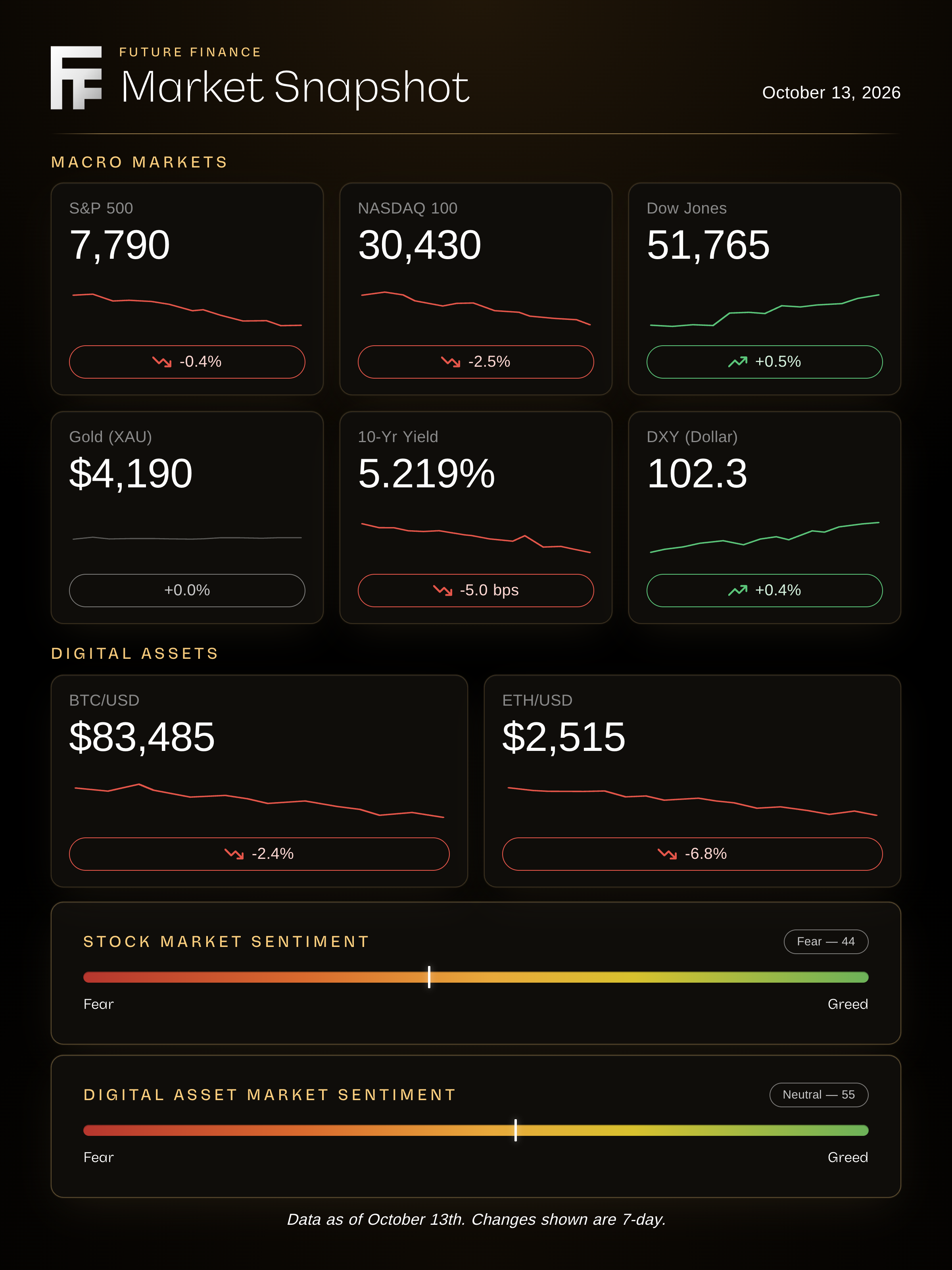
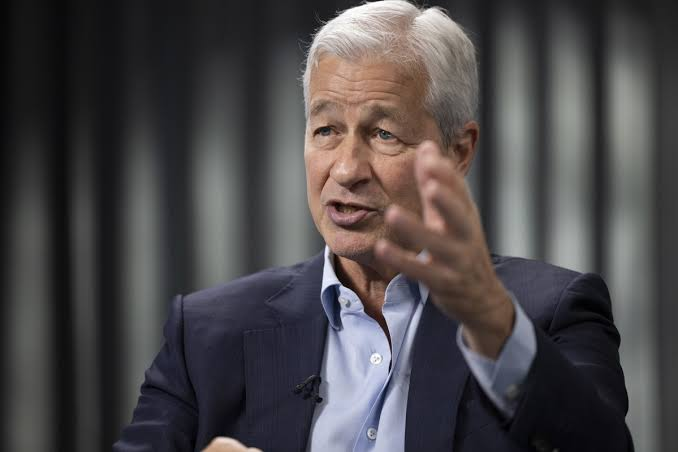
Yesterday we said the lenders report this week. This morning, four of them did: JPMorgan Chase, Goldman Sachs, Wells Fargo and Citigroup.
Big banks see the economy’s insides before the government does. They watch every card swipe, every missed payment and every company that asks for a loan.
This quarter’s picture of the consumer is clean. JPMorgan’s credit card losses fell to 2.91% of balances, down from 3.15% a year ago, and its customers spent 10% more on their cards.
The banks are acting nervous anyway. JPMorgan added $539 million to its reserves for bad loans, mostly for business lending, and cut its stock buybacks to $664 million. Citi set more aside for card losses, citing the economic outlook.
The patient looks healthy. The doctors are ordering more tests.
Below, Tan Gera reads the X-ray: what’s clean, where the shadow is, and why the people who know the patient best are bracing.
Advertisement
The 4 Biggest Banks Hold Trillions. Here's What They Don't Offer.
America's largest banks hold trillions of dollars in customer deposits. Yet many account holders earn little on their cash.
Battle Bank's Global Markets High Yield Cash Account is built to serve as your primary bank account, combining traditional banking functionality with a competitive yield and streamlined access to buying and selling precious metals and foreign currencies, retirement solutions and more.
Your bank should not merely hold your money. It should help your money to work.
Discover the Global Markets High Yield Cash Account Built for More →
Disclosure: Battle Bank is a paid partner of Future Finance. We may receive compensation from Battle Bank if you click on our links and open an account or use certain banking products. This compensation comes at no additional cost to you.
Battle Bank, N.A., Member FDIC. APYs as of 6/16/2026, using ZIP code 32224, and subject to change. Rate comparison as published by Battle Bank.
Signal vs. Noise
Wall Street’s Big Quarter Came With a Warning
- The noise: Goldman Sachs earned $17.01 a share, far above the roughly $13 expected, as its stock-trading revenue jumped 72% to $6.44 billion.
- The signal: what happened at the end of the quarter. JPMorgan said dealmaking slowed in the second half of September as rates climbed, and Goldman’s backlog of pending deals shrank from June.
Trading desks earn the most when markets swing, and markets swung hard this quarter. Mergers and stock sales need the opposite: calm markets and cheap borrowing. Goldman’s dealmaking fees still rose 21% from a year ago, so the slowdown came late.
Jamie Dimon’s description of the deal pipeline: “It can open, close pretty quick.” For beginners, a shrinking backlog is one of the earliest signs that companies are getting cautious about spending.
Oil Is Writing Tomorrow’s Inflation Number
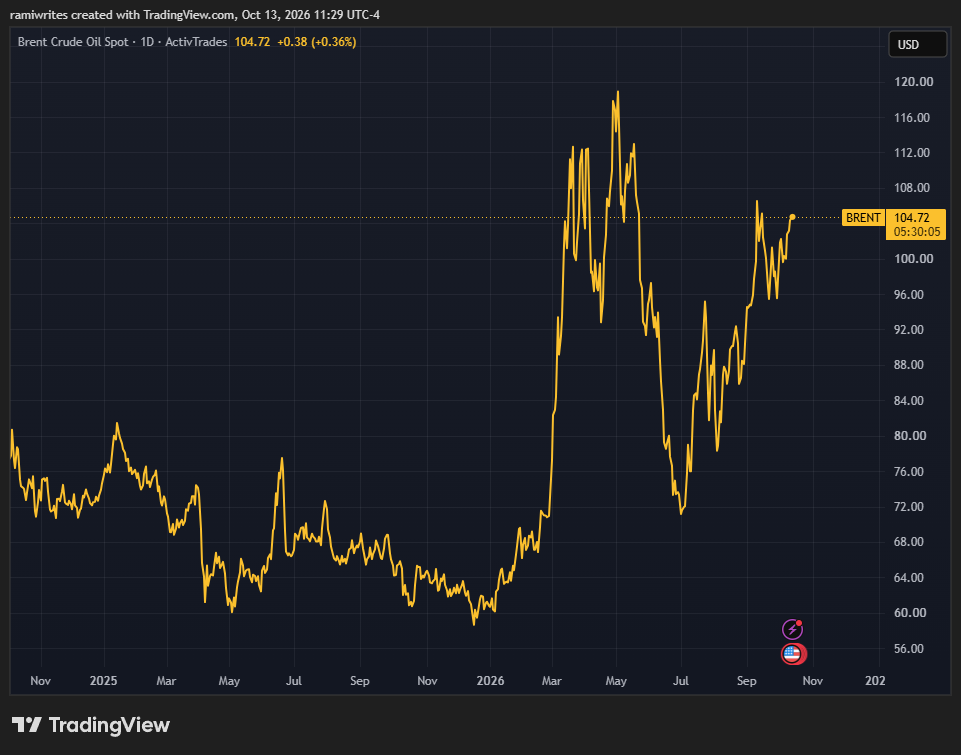
- The noise: Brent crude settled at $106.65 on Monday, its highest close since September 15, after a Houthi missile attack on Riyadh’s main airport killed 12 people.
- The signal: the gap it creates in tomorrow’s inflation report. Economists expect overall prices up about 3.6% to 3.7% from a year ago, and only about 2.5% once food and energy are stripped out.
Most of that gap is fuel. JPMorgan’s CFO named “the diesel narrative” among the pressures on its midsize business clients, the same cost Frank Curzio flagged last week.
For beginners: the Fed watches the stripped-down number, while households pay the full one. A wide gap means the Fed can sound patient while your budget feels squeezed.
Housing Is the Dark Spot on the Scan

- The noise: JPMorgan and Wells Fargo both grew their loan books by about 10% from a year ago.
- The signal: mortgages sat out the growth. JPMorgan’s home-lending revenue fell 3%, and Wells Fargo’s fell 15%.
The average 30-year mortgage rate reached 7.40% last week, per Freddie Mac, up from 6.30% a year ago. At that rate, fewer people buy, fewer refinance, and banks write fewer home loans.
For beginners: at Wells Fargo, loans to large companies and Wall Street clients grew 19%, while consumer loans grew 4%. Most of the new lending is going to businesses and wealthier borrowers, and everyday households are borrowing far less.
Featured Contributor

Today’s featured piece is from Tan Gera, Decentralized Masters’ co-founder and CEO, who writes The Macro Letter. A CFA charterholder and former investment banker, he left traditional finance to pioneer his own decentralized portfolio strategy, and his battle-tested approach has helped thousands of investors navigate any market condition.
The Economy’s X-Ray: Clean Lungs, Nervous Doctors
If you want to know how the economy is doing, the government will tell you in a few weeks. The big banks can tell you this morning.
They see every card swipe, every missed payment and every company that walks in asking for a loan. Four times a year, they show us the scan.
This morning, JPMorgan Chase, Goldman Sachs, Wells Fargo and Citigroup put theirs on the light box. Here’s how I read it.
The lungs are clean
Starting with households, because they’re about two-thirds of the economy. JPMorgan’s credit card losses fell to 2.91% of balances this quarter, from 3.34% in the spring and 3.15% a year ago.
Citi’s card losses fell to 3.66%, down 0.39 points from a year ago. Its store-brand cards, which tend to serve lower-income customers, improved too, to 4.19% from 4.67%.
People are still spending. JPMorgan’s card customers spent 10% more than a year ago, including on gas and travel. Higher gas prices inflate that number, so part of it is inflation, but the payments are coming in.
Wells Fargo CEO Charlie Scharf put it simply: “our consumer and business customers are doing well.”
The shadow is in business lending
The bad news this quarter showed up on the business side.
JPMorgan added $539 million to its reserves for future loan losses, “primarily in Wholesale,” meaning its loans to companies. Wells Fargo’s losses on commercial loans nearly doubled from last quarter, driven by commercial real estate and other business borrowers. Goldman’s provisions were mostly for problem loans to companies.
Jamie Dimon said JPMorgan is “tightening a little bit on credit,” and that “some of the credit terms have gotten a little bit loose.” In plain English: other lenders have been making deals JPMorgan no longer wants to match.
His CFO, Jeremy Barnum, named the pressure on smaller business clients: higher rates, input costs, inflation and “the diesel narrative.”
The doctors are nervous
Here’s the part I’d read twice. A bank’s reserve line is its own forecast, written in dollars.
Citi had released $232 million of card reserves last quarter. This quarter it built $208 million back, “primarily driven by changes in the macroeconomic outlook.” The customers improved, and the bank set more aside anyway.
JPMorgan cut its net stock buybacks to $664 million, a fraction of a normal quarter, to keep capital ready. Dimon wrote that the bank remains “prepared for a wide range of outcomes.”
Then Barnum spelled out what those reserve lines imply:
“The consumer is currently very healthy primarily because of a healthy labor market. But the central bank needs things to cool off and that involves an aggressive extended rate cycle. Almost by definition that’s going to involve higher unemployment, which will produce weaker consumer credit results.”
Last week I wrote that the Fed’s September hike was insurance. This morning, the banks bought some of their own.
The banks are reserving for the economy the Fed is trying to create.
One more line, on AI
Barnum also said JPMorgan’s lending to the AI buildout is growing, from construction loans into everyday credit lines. “Currently our exposures are still quite modest,” he said. “But that’s not the same as saying that we would be immune to a major change in sentiment in the AI space.”
That’s a bank telling you where it would feel a shock, before one happens.

How to read the next scan
You don’t need to read a 100-page bank filing. Three lines tell you most of the story:
- Card losses: rising means households are starting to struggle.
- Reserve builds: the bank’s own forecast of losses ahead.
- Buybacks: cut them, and a bank is keeping cash for a rainier day.
Bank of America and Morgan Stanley report tomorrow morning, an hour before September’s inflation report. I track these three lines every quarter in The Macro Letter, next to the levels I set for my own portfolio.
Today the patient is fine. The people who know the patient best are ordering more tests, and I’d pay attention to that.
- Tan Gera
Co-founder and CEO, Decentralized Masters | The Macro Letter
Tomorrow: What Tan Gera Is Doing Before December 31
Tomorrow morning, September’s inflation report decides how expensive borrowing gets for the rest of the year. Tomorrow, Tan Gera, CFA, goes live to explain what he’s doing about it.
He’ll cover the 60-year midterm pattern he says broke for the first time this year, the warning sign he’s watching in the bond market, and the three-phase plan he’s following with his own money before the window he’s built it around closes on December 31.
The briefing is free and online, and registering takes about 15 seconds.
Save your free seat for tomorrow →
Final Thought
This morning’s scan says two things at once. Your household is in better financial health than a year ago, and your bank expects that to change.
Banks are also earning more on the gap between what they pay you and what they charge borrowers. JPMorgan’s net interest income rose 13% to $27 billion, while the national average savings account pays 0.37%, per the FDIC.
Moving to the lending side of that gap is what The DeFi Doctor writes about in Beat Banks.
Tomorrow, Bank of America and Morgan Stanley report before the open, and September’s inflation report lands at 8:30 a.m. See you then.
Editor in Chief | Future Finance
The Headline Is Where The Story Ends. The Research Is Where It Starts.
Tomorrow, millions of people will read one inflation number and think they understand the market.
You already know it is more complicated than that.
The real edge is one level beneath the headline, in the assets and setups most people never see until they have already moved.
That is the whole job of Gems Uncovered, our research on the early opportunities ahead of the crowd.
The headline is where the crowd stops looking. That is where the work begins.
Disclaimer: This content is not financial advice, it is for informational purposes only. All investments involve inherent risk. Any financial decisions you make are solely your responsibility.
Latest




Editor's Picks

Become a sharper capital allocator in 5 minutes a day.
Institutional-grade research on where the smartest capital is positioning, across AI, energy, biotech, robotics, and digital assets. Distilled into a daily read you finish before your coffee does.
Join 45,000+ readers · No spam · Unsubscribe anytime · No card needed