

The $518 billion line in Anthropic’s prospectus…
A leaked draft shows what pre-IPO buyers of the year’s biggest AI listing never saw. Maxwell Nee on the 261 pages that matter. Plus: how to read today’s inflation number. →
October 14, 2026
·
5 Min Read



The briefing serious investors read first.
Free analysis before markets open. Start thinking in decades, not days.
Join 45,000+ readers · No spam · Unsubscribe anytime · No card needed
Today’s Big Picture
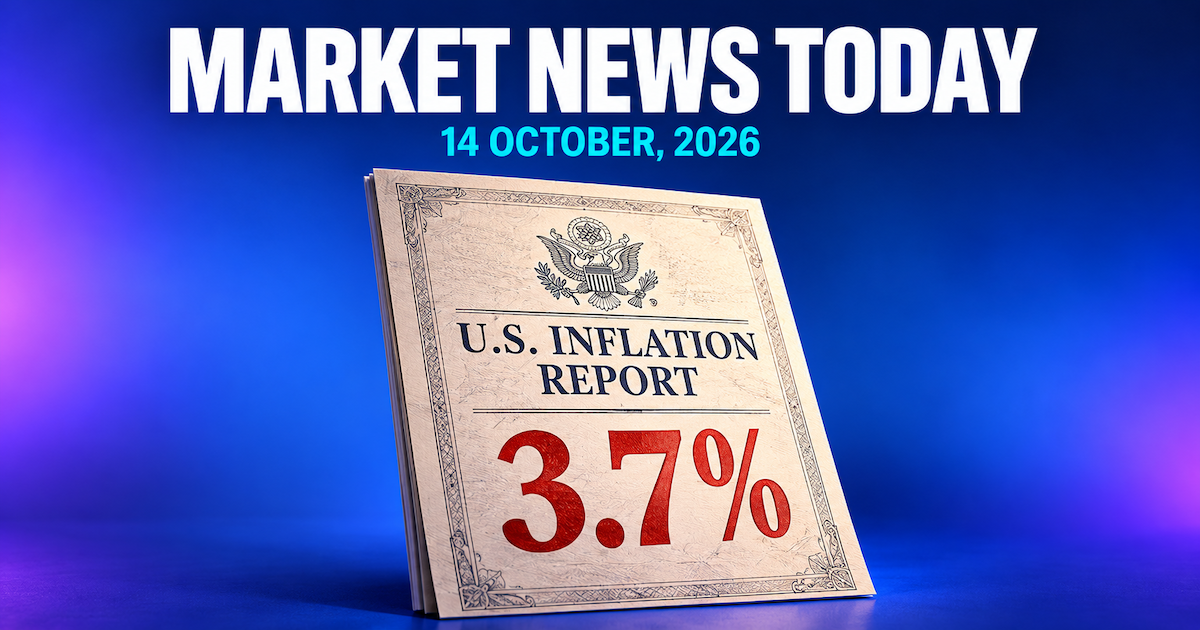
Two documents matter this week. One comes out today, and everyone will quote it within minutes: September’s inflation report.
The other has been sitting in a confidential file at the SEC since June, and almost nobody has read it: Anthropic’s draft prospectus for what could be the largest IPO on record.
Reuters obtained a copy. Its 261 pages show $518 billion in computing commitments, about 80% of them owed whether or not demand shows up, and a $42 billion net loss for 2025.
For a year, buyers have been offered pre-IPO shares in companies like this one on the strength of a growth chart and a famous name. The prospectus is the first time anyone outside gets to see the rest.
The pitch shows you the upside. The prospectus shows you everything the seller already knew.
Below, Maxwell Nee, who walked you through his pre-IPO deal filter last month, reads the pages a secondary buyer never got to see.
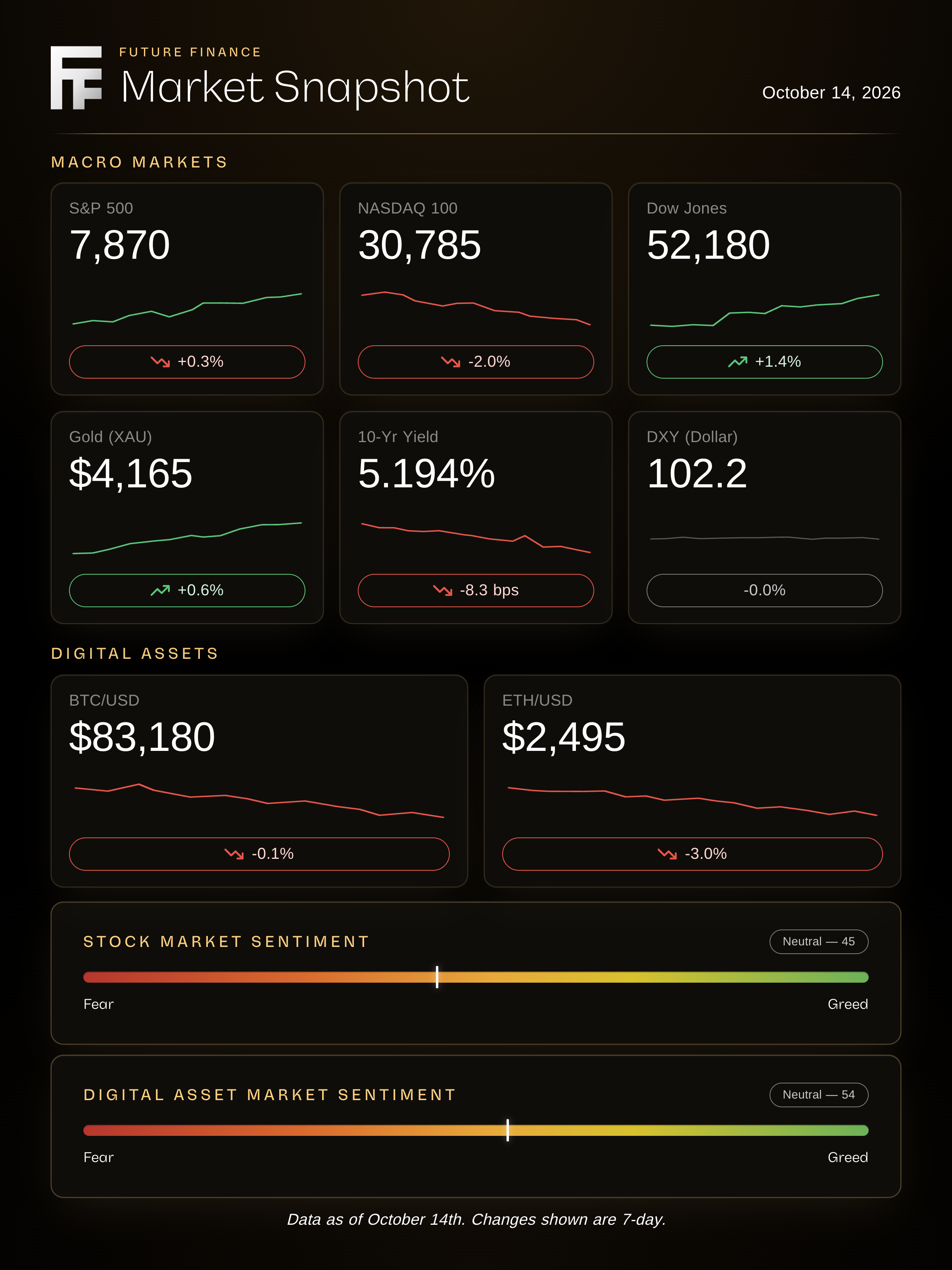
Paid Advertisement
Tilson: My Favorite New Retirement Stock?
For years, Whitney Tilson pointed his readers to Berkshire Hathaway. He now believes he may have found a better retirement stock for the years to come.
A company few have heard of, sitting at the epicenter of America's two most important industries. One of them is AI.
He is giving away the name and ticker free.
Disclosure: Stansberry Research is a paid partner of Future Finance. The forecasts, track record and claims above are those of Whitney Tilson and Stansberry Research and do not represent the views of Future Finance. As always, do your own diligence.
Signal vs. Noise
How to Read Today’s Inflation Number
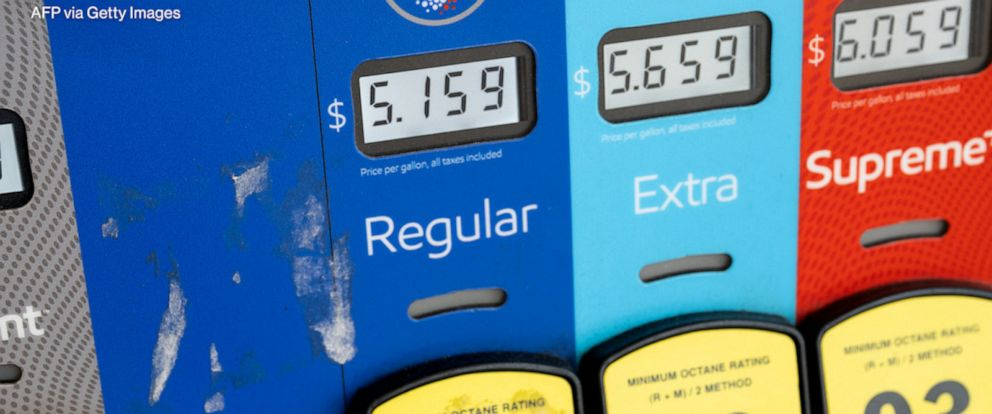
- The noise: the headline. Economists expect overall prices up about 3.6% to 3.7% from a year ago, from 3.4% in August, with gasoline doing most of the lifting after a 7.1% jump in September.
- The signal: the number without food and energy, which is the one the Fed acts on. Forecasters expect it to rise about 0.2% for the month and roughly 2.5% from a year ago.
One detail worth knowing: a 2.5% reading on that core number wouldn’t by itself mean inflation is speeding up, because last September’s figure sits right on the line between 2.4% and 2.5%. Watch the monthly change instead.
BMO’s Scott Anderson put the stakes plainly: a 0.2% monthly core reading “should be good enough for the Fed to hold in October.” Going in, traders put about a 19% chance on an October hike and about 85% on one by December.
We’ll walk through what the number did to rates, stocks and digital assets in tomorrow’s issue.
Read Bank of America’s Number Twice
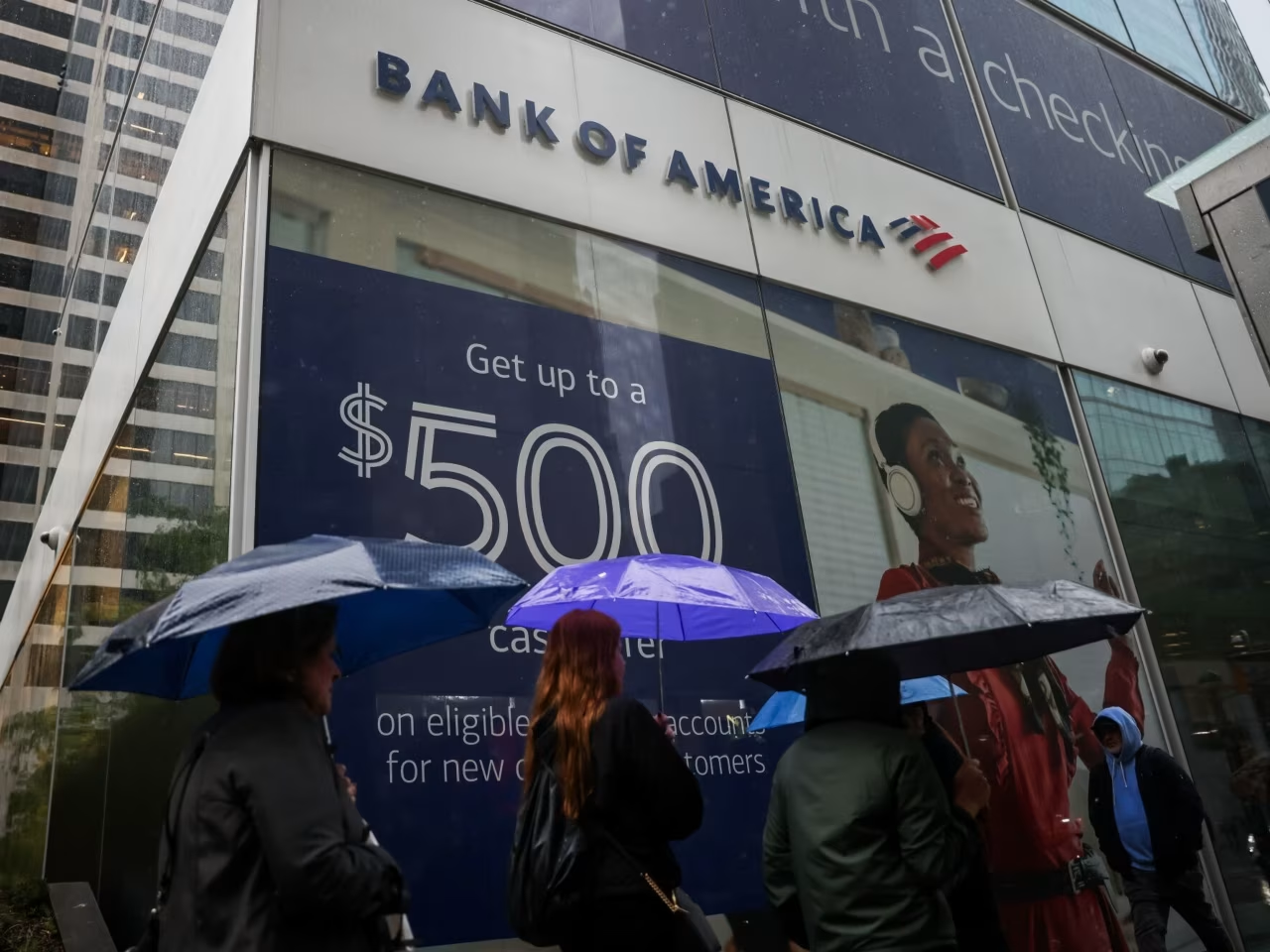
- The noise: Bank of America reports this morning, with Wall Street’s estimates ranging from about $1.10 to $1.17 a share.
- The signal: a $1.2 billion charge announced Tuesday. Regulators fined the bank for failing to report more than $5 billion in suspicious transactions, and the charge can’t be deducted from taxes, so it cuts about 17 cents a share.
That means today’s headline may say “miss” or “beat” depending on whether the charge is counted. For beginners: look for the words “reported” and “excluding,” and compare like with like.
Yesterday showed why the headline matters less than the detail. Goldman beat estimates by about 30% and its stock still closed lower, while JPMorgan missed and raised its interest-income forecast for the year.
Oil’s $20 Fear Premium
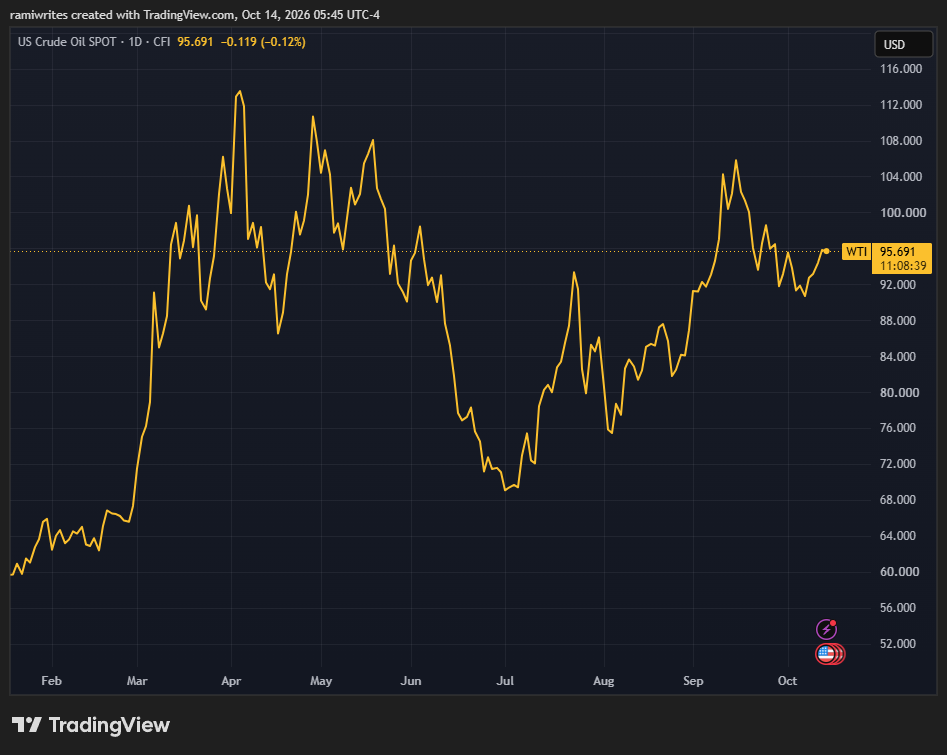
- The noise: U.S. crude settled at $94.14 on Tuesday, its highest close since late September, after last weekend’s deadly Houthi attack on Riyadh’s main airport.
- The signal: how much of that price is fear. Goldman Sachs estimates geopolitics adds just over $20 a barrel, and it expects Brent near $90 by December, against about $106 today.
The supply side is loosening. Russia partly lifted its diesel export limits last week, and OPEC cut its 2026 demand forecast for a sixth straight month.
For beginners: a premium built on headlines can disappear as fast as it arrived. That matters for next month’s inflation report, because gasoline is the biggest reason this month’s is running hot.

Featured Contributor
Today’s guest is Maxwell Nee, Chairman and Founder of Family Office Insider and a co-lead of Inflection Club, a private investment club for its members. Three weeks ago he shared the filter he uses on pre-IPO deals. Figures on Anthropic come from Reuters’ reporting on its confidential draft prospectus, which is not yet public.
Nothing in this section is an offer, a solicitation, or a recommendation, and private investments can lose their entire value.
The 261 Pages I Never Got to Read
Three weeks ago, I told you about an email I get twice a month. A different sender each time, offering me shares in one of the most famous AI companies on earth.
I didn’t name the company then, and I won’t now. But this month, for the first time, we got to see what the inside of one of these companies looks like, written by the company’s own lawyers.
Every one of those emails comes with the same pitch: a growth chart, a list of famous investors, and a line about this being the last chance before the IPO.
None of them comes with 261 pages.
How we got to see it
Anthropic filed a draft prospectus with the SEC in June, confidentially, which the rules allow. The public version only has to appear 15 days before the company starts marketing its shares.
Reuters obtained a copy anyway. About 80 pages of it are risk factors, against 48 pages describing the business.
That ratio alone tells you something. Here is what a secondary buyer couldn’t see.
What the pitch never showed
- The losses. Revenue grew about 12-fold in 2025, to nearly $4.6 billion. The operating loss was $8.06 billion, and the net loss was about $42 billion, roughly $34 billion of it an accounting charge on convertible financing.
- The commitments. $518 billion of computing contracts over about a decade, roughly 80% of it owed whether or not the demand arrives. That includes a $125.2 billion, five-year lease of Google’s chips.
- The triple role. Broadcom is a supplier, a landlord and a lender, with up to $42 billion in convertible notes. The company’s own filing flags “potential conflicts of interest,” and warns that certain defaults could make a large part of its lease payments due at once.
- The concentration. Two customers each made up 12% of revenue. And 47% of sales ran through Amazon’s and Google’s marketplaces, two companies that are also investors, suppliers and competitors.
- The vote. Seven co-founders control 50.1% of the vote on key matters through a single share, and a trust elects four of the seven directors. Outside money gets a share of the economics and very little say.
To be fair, none of this makes it a bad business. Fast-growing companies lose money, and Anthropic reported more than $20 billion in cash at the end of last year. My point is about information: the people paying the highest prices saw the least of it.
The gate it fails
The first gate on our deal filter is who’s selling, and whether the shares are theirs to sell.
In May, Anthropic updated a warning on its website: “We do not permit special purpose vehicles (SPVs) to acquire Anthropic stock and any transfer of shares to an SPV are void under our transfer restrictions.”
Read that again if you’ve been offered a piece through a fund. FINRA warned in August that when a company doesn’t approve a transfer, “the transaction might be void, and you or the fund could end up not owning the company stock.”
Secondary platforms were implying a value of about $1 trillion back when the last official funding round was priced at $380 billion. Buyers were paying a premium for shares the company says they may not legally own.
What waiting buys you
The biggest IPO of the year so far was SpaceX. It priced at $135 in June, hit $225.64 during trading five days later, and closed July at $108.37, more than 50% below that peak and under its offering price.
That fits a long record. Jay Ritter at the University of Florida tracked 1,645 IPOs from 2012 to 2024, and on average they trailed the overall market by about 25 percentage points over their first three years.
The best pre-IPO deal I’ve seen this year is free. It’s the prospectus.
When Anthropic’s public version lands, read the risk factors before the growth chart. And if someone emails you before then offering a piece, ask them one question: does the company know you’re selling it?
- Maxwell Nee
Chairman and Founder, Family Office Insider | Co-lead, Inflection Club
Paid Advertisement
There's a Reason Sophisticated Investors Keep Turning to Gold
Governments can issue more currency. Central banks can create more liquidity. But NO ONE can manufacture an unlimited supply of gold.
That simple distinction is one reason investors have turned to precious metals for generations, especially when they want diversification beyond conventional financial assets.
Battle Bank gives you more than one way to own gold and silver. Choose allocated metals if you want specific coins or bars with secure storage and delivery options. Or go unallocated for a cost-effective way to hold precious metals without monthly account or storage fees.
Explore Battle Bank's Precious Metals Solutions →
Disclosure: Battle Bank is a paid partner of Future Finance. We may receive compensation from Battle Bank if you click on our links and open an account or use certain banking products. This compensation comes at no additional cost to you.
Precious metals are not FDIC insured, are not bank guaranteed, and are subject to market risk, including possible loss of principal.
Battle Bank, N.A., Member FDIC. APYs as of 6/16/2026, using ZIP code 32224, and subject to change. Rate comparison as published by Battle Bank.
Final Thought
Today’s inflation report goes out to everyone at the same moment, for free. That is how public markets are supposed to work.
Private markets work the other way. The best information arrives last, and the people who buy earliest often see the least.
Maxwell’s lesson travels beyond Anthropic: when someone asks you to decide before the documents arrive, the documents are usually the reason.
Tomorrow, we’ll go through what this morning’s inflation report did to rates, stocks and digital assets, along with results from Bank of America and Morgan Stanley. The Fed’s Beige Book lands at 2 p.m. today. See you then.
Editor in Chief | Future Finance
Every Move Tan Gera Is Making - Recorded, Shared, Sent To Your Inbox Every Order. Every Miss. Graded in Public.
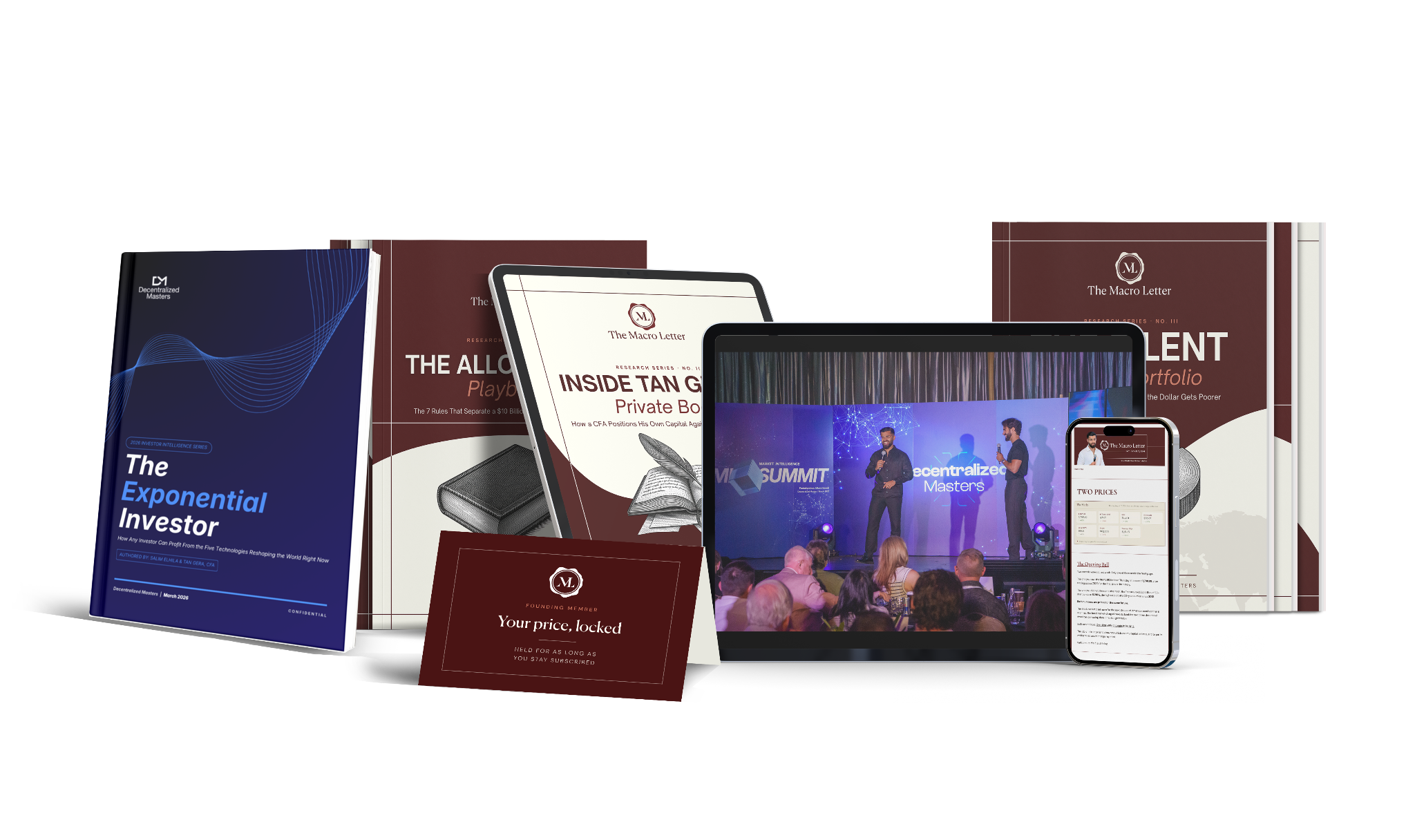
Most market commentary tells you what might happen. The Macro Letter shows you what one investor is doing about it.
Twice a week, Tan Gera writes down the levels he sets in advance, the moves he makes in his own portfolio, and the misses, down to the dollar.
Plain numbers, before the market reaches his levels.
Positions described are Tan’s own portfolio, shared for transparency, and are not a recommendation to buy or sell any asset. Past performance is not indicative of future results.
Disclaimer: This content is not financial advice, it is for informational purposes only. All investments involve inherent risk. Any financial decisions you make are solely your responsibility.
Latest


Editor's Picks

Become a sharper capital allocator in 5 minutes a day.
Institutional-grade research on where the smartest capital is positioning, across AI, energy, biotech, robotics, and digital assets. Distilled into a daily read you finish before your coffee does.
Join 45,000+ readers · No spam · Unsubscribe anytime · No card needed