

No FICO, no loan. Until now…
One company scored nearly every mortgage in America. Washington just opened a second road, and the stock had its worst day since 1989. →
October 5, 2026
·
5 Min Read




The briefing serious investors read first.
Free analysis before markets open. Start thinking in decades, not days.
Join 45,000+ readers · No spam · Unsubscribe anytime · No card needed
Today’s Big Picture
Two things decide what you pay to borrow…
- The market’s price of money
- And the score that decides which price tier you land in.
Both moved last week.
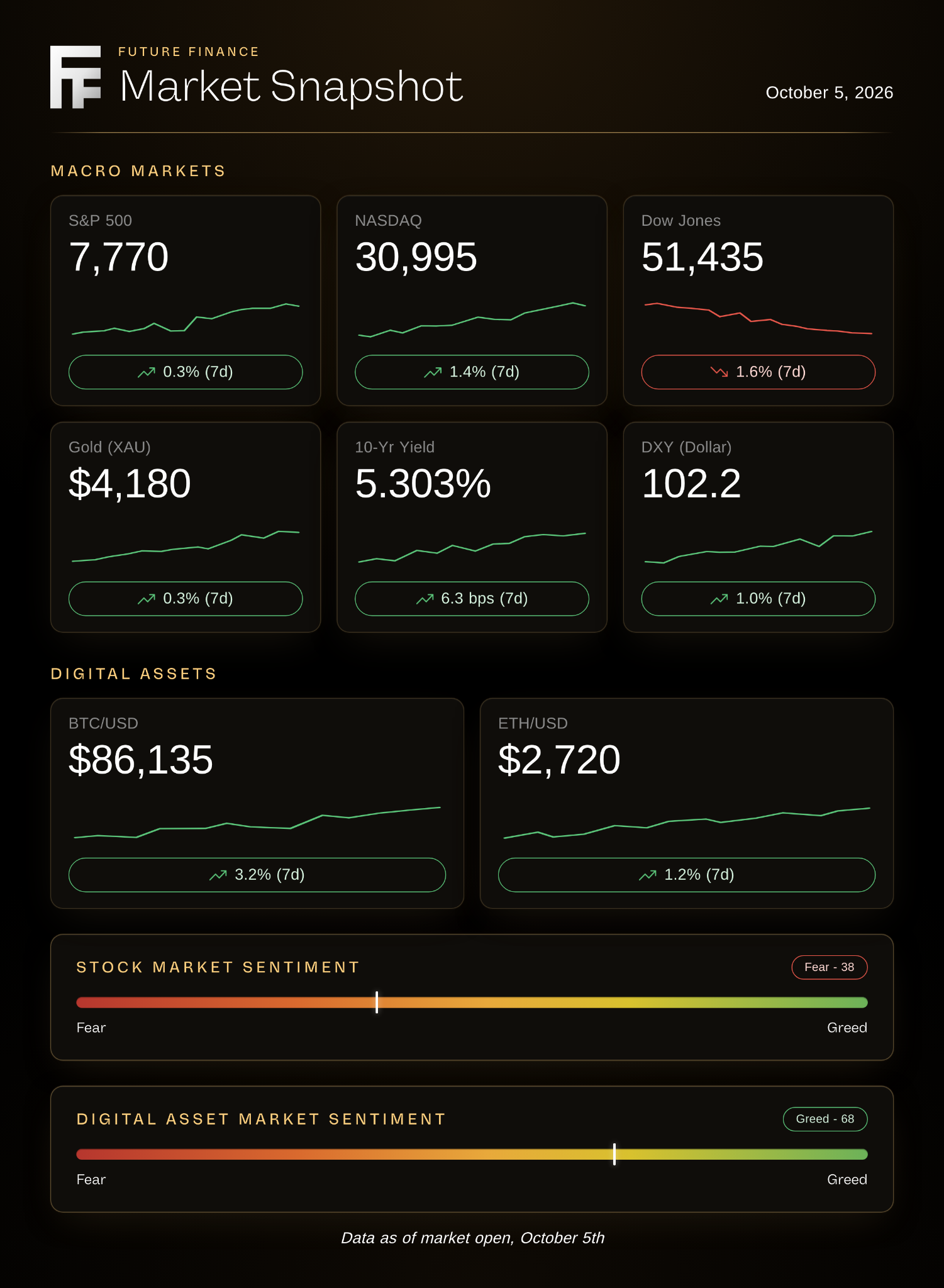
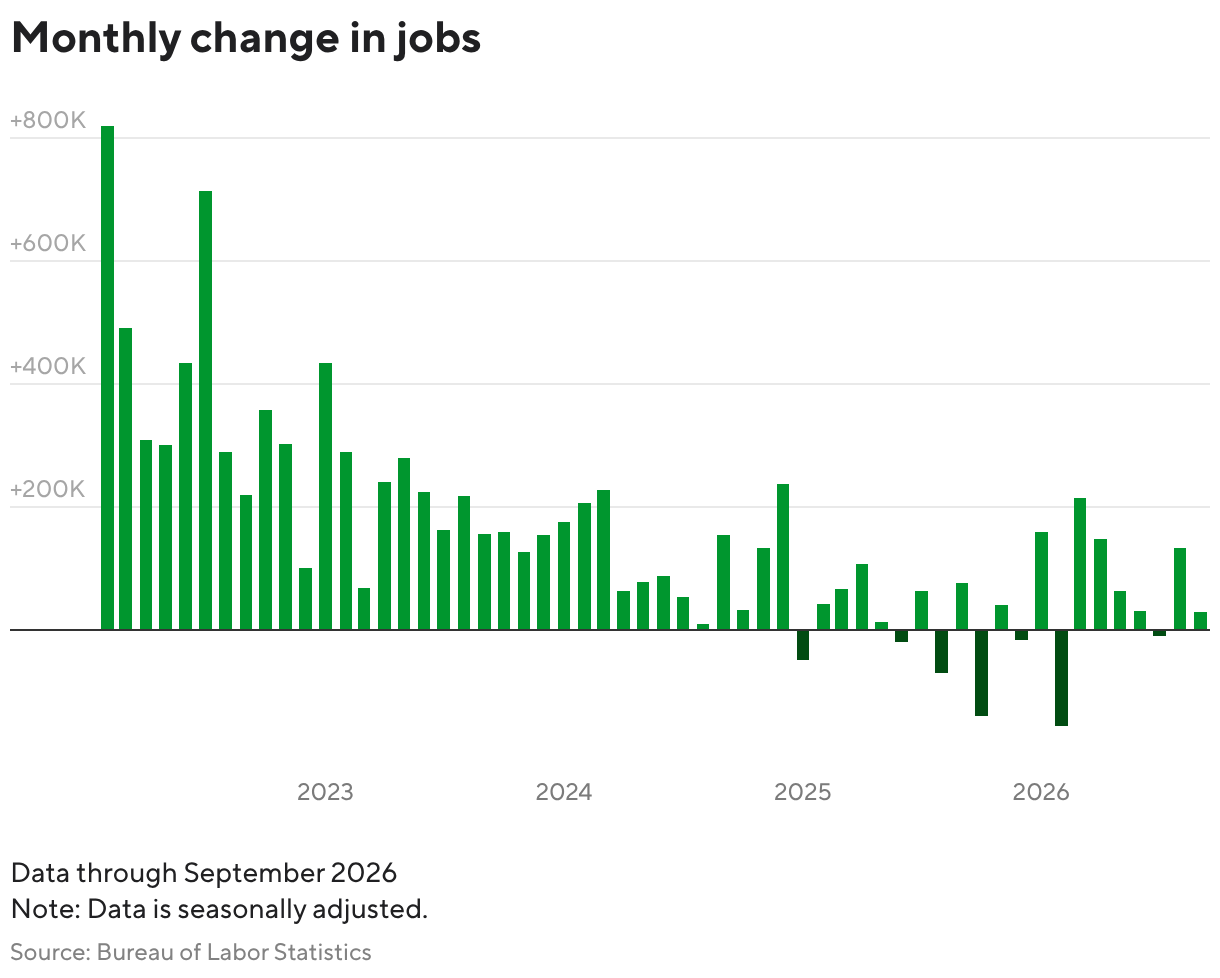
Friday’s jobs report showed just 29,000 new jobs in September, about a third of what Wall Street expected. Traders cut the odds of an October rate hike to roughly one in five.
The yields that mortgages follow went up anyway. The 10-year Treasury ended Friday near 5.28%, just below Thursday’s peak, the highest level since 2002.
The Fed sets one rate. The bond market sets the one your mortgage follows.
The second lever moved too. Washington opened a second road around FICO, the company whose score has priced nearly every conforming mortgage for decades, and FICO’s stock had its worst day since 1989.
Below, Dylan Jovine explains why a toll booth loses its value once a second road opens, and what that means for anyone who will ever need a loan.
Advertisement
Stop feeling like you’re always one step behind.
Frank Curzio spent 30+ years building the research edge and relationships most investors never get near. Now it all lives in one place.
Inside Curzio Alpha, you get:
- Every trend he’s researching
- Every opportunity he’s excited about
- Every position he’s actually taking
No endless upsells. No confusing web of memberships. No missing the big one because you were subscribed to the wrong service.
Just one hub, built to help you invest with more clarity, confidence, and conviction.
Get instant access to Curzio Alpha →
Disclosure: Curzio Research is a paid partner of Future Finance. The forecasts and claims above are Frank Curzio’s and Curzio Research’s, not Future Finance research or advice. As always, do your own diligence.
Signal vs. Noise
The Revisions Took 60,000 Jobs Back
- The noise: unemployment ticked up to 4.2%, from 4.1%.
- The signal: the revisions. On Friday we said they could matter more than the headline. August’s 162,000 became 133,000, July turned negative, and together the two months gave back 60,000 jobs.
That leaves the three-month average near 51,000 jobs a month. Pay rose just 0.1% in September and 3.0% from a year ago, still behind prices rising 3.4%.
Health care added 17,000 jobs, about half its usual monthly pace, and financial jobs have fallen by 129,000 since May 2025, mostly at insurers. Weaker hiring is why traders now expect the Fed to wait in October, even as they still price a hike by December.
For beginners: hiring at that pace means a job market cooling slowly, with paychecks still trailing the cost of living.
Tesla Beat, With Help From the Lot
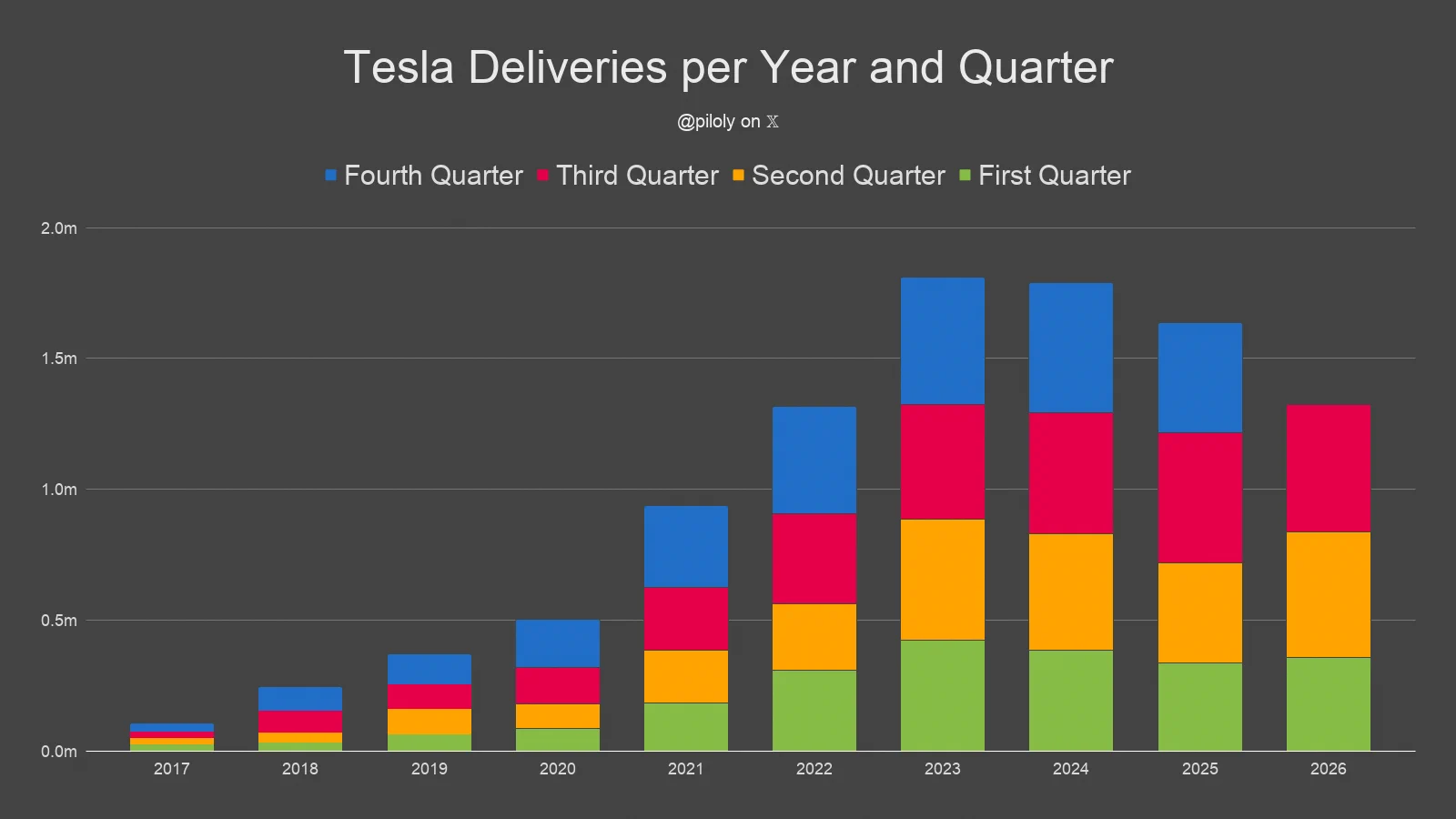
- The noise: Tesla’s deliveries fell 2.1% from a year ago, when buyers rushed to beat the end of a federal tax credit.
- The signal: Tesla handed over 486,532 cars, beating its own analyst survey by about 24,500, and delivered roughly 22,000 more than it built. The difference came out of inventory, cars already sitting on lots.
Energy storage, at 13.7 gigawatt-hours, came in short of what analysts expected. A beat built partly on clearing inventory tells you buyers showed up, but it says less about demand next quarter than the headline suggests. Tesla reports full results on October 21.
OPEC+ Held Steady on Paper

- The noise: OPEC+ kept its November production targets unchanged on Sunday, its second pause in a row.
- The signal: those targets barely bind right now. With the Strait of Hormuz disrupted by the conflict with Iran, Gulf exports have been running at 60% to 80% of normal, per Reuters, so the core members are already producing well below their quotas.
Brent’s December contract settled at $102.25 on Friday, and WTI, the U.S. benchmark, at $91.11 for November. The group meets again November 1.
For beginners: a quota only matters when producers can reach it, and this month the shipping lanes matter more than the meeting. Pump prices follow the barrels that reach buyers, whatever the quota says.
Featured Contributor

Today’s guest is Dylan Jovine of Behind the Markets. Over nearly three decades on Wall Street he founded the brokerage and investment bank Lexington Capital Partners at 24, then built his research firm Tycoon Publishing to more than 500,000 readers across 28 countries before selling it to Agora in 2011.Today’s issue is a lesson in business models, not a stock recommendation.
Washington Just Broke FICO’s Mortgage Monopoly. The Stock Had Its Worst Day Since 1989.
For decades, every conforming mortgage in America ran through one company’s math.
If you wanted a loan that Fannie Mae or Freddie Mac would buy, your lender pulled your FICO score. No FICO, no loan.
That kind of power shows up in the price.
In 2024, FICO’s wholesale royalty was $3.50 per mortgage score, per Mortgage Professional America. In 2025, $4.95. For 2026, FICO set a $10 per-score price for the resellers who deliver scores to lenders, per its own October 2025 announcement.
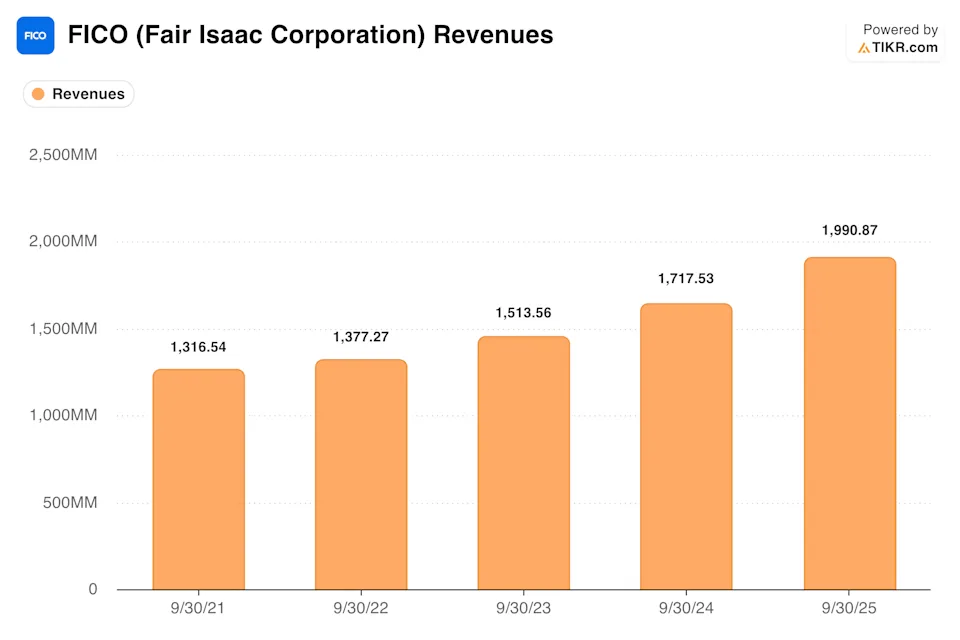
Critics call that a doubling; FICO says resellers were already paying about that much on average. Either way, it lands on a product every borrower is forced to buy, and Senator Josh Hawley opened an investigation into the pricing back in March.
Then on Monday, September 28, Washington moved to level the field.
FHFA Director Bill Pulte announced that Fannie and Freddie will move to one pricing grid, accepting both Classic FICO and a rival called VantageScore 4.0, per Forbes. No effective date has been set yet.
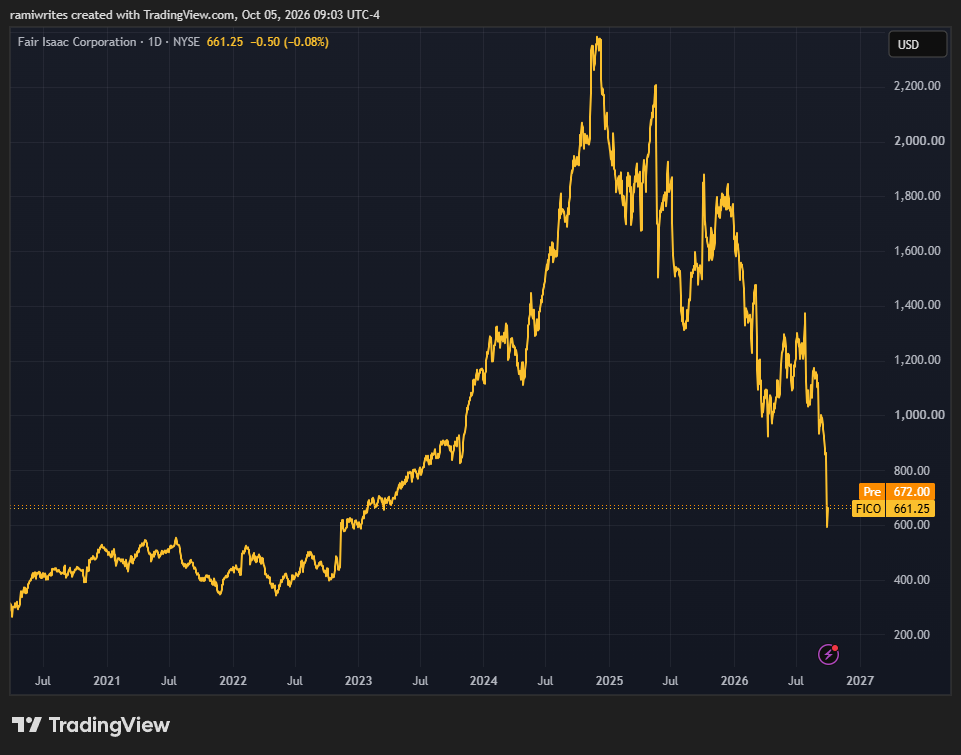
By Tuesday’s close, FICO stock had fallen 26.5%. Forbes called it the worst day for the stock since 1989.
VantageScore is owned by the three credit bureaus, and TransUnion will sell it for mortgages at 99 cents a score, with that price locked through December 2028, per Forbes.
99 cents a score, against $10.
Lenders aren’t waiting around. Rocket Mortgage tested both models across 1.4 million credit reports and found VantageScore qualified more borrowers. Starting in Q4, it becomes Rocket’s default for direct-to-consumer loans, per Forbes.
So why does a one-day crash that big make sense for a company that hasn’t reported a revenue loss yet?
Because of what Wall Street was actually paying for. Last quarter, FICO’s Scores segment booked $458.9 million in revenue, up 41%, at a segment operating margin around 91%, per Forbes.
A 91% margin isn’t a business. It’s a toll booth.
And a toll booth is only worth a premium while there’s no other road. VantageScore was already used on roughly 9% of Fannie and Freddie mortgages from May through August, according to VantageScore.
That was before the unified grid. Before the 99-cent price. Before Rocket flipped.
My read: monopoly pricing works right up until it becomes the reason you lose the monopoly. Critics say FICO doubled its fee going into 2026, and that $10 charge is exactly what made a 99-cent rival irresistible to regulators and lenders at the same moment.
The lesson travels well beyond FICO. When a company’s margin comes from the absence of choice, watch the choice, not the earnings.
- Dylan Jovine
Behind the Markets
The Dollar Doesn’t Have to Be Your Only Option
Rising federal debt, persistent deficits, and fiscal pressure are causing some investors to reconsider how much of their wealth is concentrated in one currency.
That does not mean abandoning the dollar. It means recognizing concentration and exploring alternatives.
Battle Bank’s Currency Deposit Accounts and Currency CDs give clients direct access to global markets through a streamlined banking experience. They can buy and sell foreign currency while creating broader exposure within their financial strategy.
In a changing monetary system, having more options may be an advantage.
Explore a More Global Approach to Banking →
Disclosure: Battle Bank is a paid partner of Future Finance. We may receive compensation from Battle Bank if you click on our links and open an account or use certain banking products. This compensation comes at no additional cost to you.
FDIC insurance protects the deposit if the bank fails. It does not protect against changes in exchange rates or declines in the value of the currency held.
Battle Bank, N.A., Member FDIC. APYs as of 6/16/2026, using ZIP code 32224, and subject to change. Rate comparison as published by Battle Bank.
Final Thought
Most people never see their mortgage score until a lender quotes them a rate. One thing anyone can do this week: check your credit reports for free at AnnualCreditReport.com, and when you apply for a loan, ask which score model the lender uses.
We looked at another toll booth last month, the exchange operator CME, which earns a fee on nearly every hedge in the market [LINK: Sept 15 issue]. Different road, same question: what happens to the price when a second road opens.
A week into the quarter, our five calls stand like this: the 10-year near 5.28%, the dollar index near 101.9, Bitcoin near $86,000, and gold near $4,140, the closest of the five to its line. Markets still price a December rate hike as likely.
This week brings the services survey today, the Fed’s meeting minutes on Wednesday, and inflation the following Wednesday, October 14.
Editor in Chief | Future Finance
One Subscription. The Entire Gems Uncovered Research Library.
You just read why the surface of the news rarely tells the whole story.
Gems Uncovered is built on that same principle. It’s our weekly research briefing on early-stage assets and native market access, the opportunities that build real wealth before they ever reach a mainstream exchange.
One level beneath the headlines is where the edge lives.
Disclaimer: This content is not financial advice, it is for informational purposes only. All investments involve inherent risk. Any financial decisions you make are solely your responsibility.
Latest




Editor's Picks



Become a sharper capital allocator in 5 minutes a day.
Institutional-grade research on where the smartest capital is positioning, across AI, energy, biotech, robotics, and digital assets. Distilled into a daily read you finish before your coffee does.
Join 45,000+ readers · No spam · Unsubscribe anytime · No card needed