

Few fired, few hired…
The Fed says the job market is in good shape. Today’s report tests that. What to read past the headline. →
October 2, 2026
·
5 Min Read




The briefing serious investors read first.
Free analysis before markets open. Start thinking in decades, not days.
Join 45,000+ readers · No spam · Unsubscribe anytime · No card needed
Today’s Big Picture
Today’s jobs report is the last one the Fed will see before it meets on October 28.
Two weeks ago, right after raising rates, Kevin Warsh, who runs the Fed, said the labor side of its job is “in good shape.” Tan Gera’s advice that day was to read the sentences that came after the hike. This is one of them, and today it gets tested.
The case for Warsh is real. New unemployment claims are near their lowest in decades, and the number of people still collecting benefits is the smallest since April 2023.
The case against him is on the hiring side. Job openings fell to 7.08 million in August. Employers announced their weakest September hiring plans since 2011, and consumer confidence is at its lowest since 2014.
A job market can keep almost everyone employed and still be a hard place to find a job.
Below, I explain how both can be true, and how to read today’s jobs and Tesla numbers past the headline.
Advertisement
One Stock. Three Potential Trillion-Dollar Spinoffs.
In 2014, Marc Chaikin told his readers to put a big chunk of their retirement money into Nvidia. He says anyone who followed that recommendation is up more than 45,000% at this point.
He now believes he has found an even better retirement stock for the years ahead. The company is sitting on three fast-growing businesses, and each one could be spun off into a separate publicly traded company.
One ticker today could become three tickers tomorrow:
See Chaikin’s new #1 retirement pick here →
Disclosure: MarketWise is a paid partner of Future Finance. The forecasts, track record and claims above are the views of Marc Chaikin, Chaikin Analysis, and MarketWise, and do not represent the view of Future Finance. As always, do your own diligence.
Signal vs. Noise
Factories Are Paying More Again
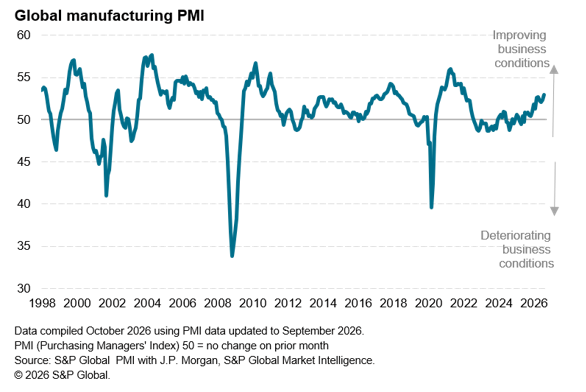
- The noise: the national manufacturing survey slipped to 54.5 in September, from 54.6.
- The signal: the prices line inside it. The gauge of what factories pay for materials jumped to 77.9, its highest since May, and nearly six in ten firms reported paying more.
The survey’s employment gauge also rose, to 52.7, so factories are still adding workers, a point in Warsh’s favor.
For beginners: what factories pay this month tends to show up in what you pay a few months later. That is the inflation the Fed is trying to get ahead of, and it’s why one soft inflation report on Wednesday didn’t settle the question of another rate hike.
$46 Billion of Bonds Lined Up for a $6 Billion Exit
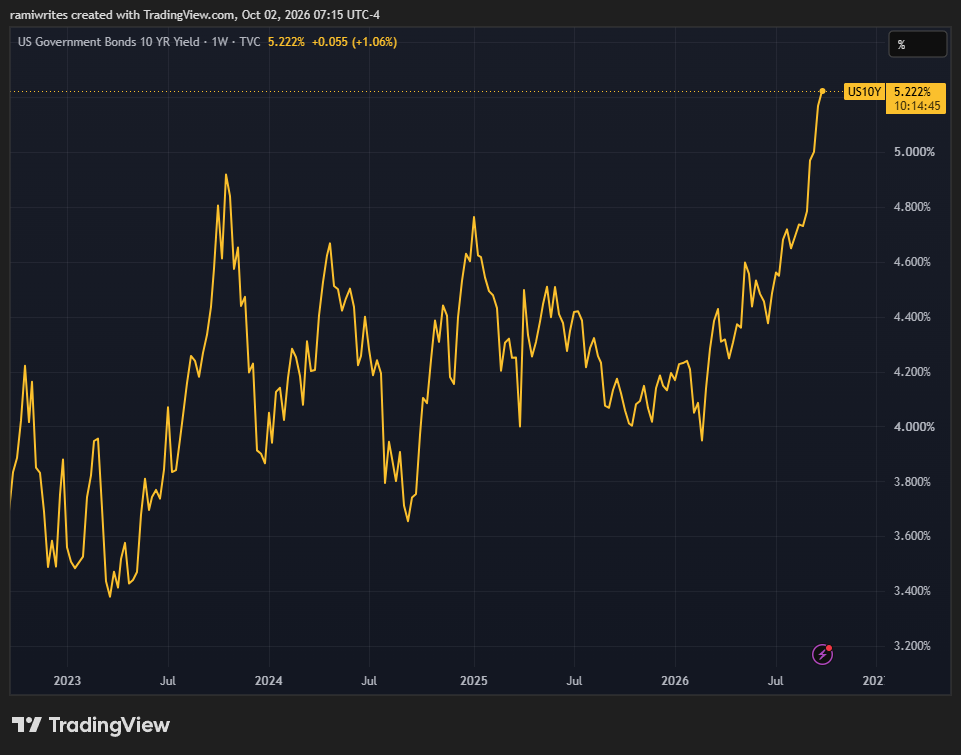
- The noise: long-term Treasury yields eased Thursday, with the 10-year closing near 5.24% after touching a level last seen in 2002.
- The signal: who showed up when the government offered to buy its own bonds back. The Treasury’s buyback took the full $6 billion it offered, against $46.39 billion in bonds holders wanted to sell, after the last few came in short.
Offers ran almost eight times what the Treasury would take. Plenty of holders want out of long-term bonds at these prices, and that doesn’t change because yields dipped for a day.
For beginners: a buyback is the Treasury paying off some old debt early. A crowd that eager to sell suggests long-term bonds still need more buyers than they have.
Nike Beat on Profit. Its Customers Pulled Back.
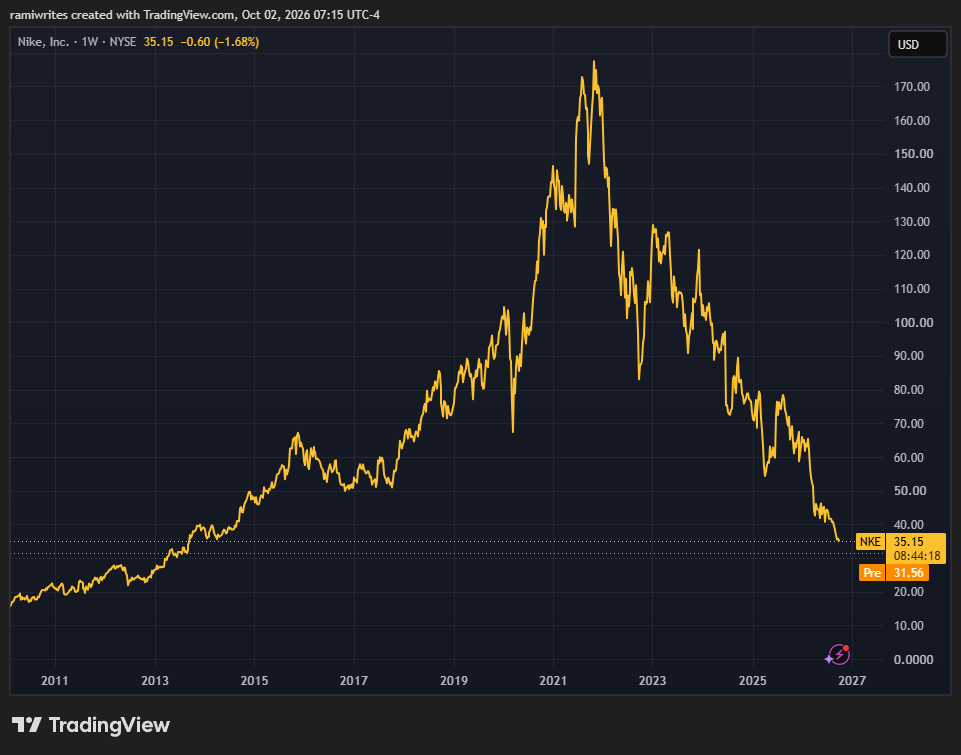
- The noise: Nike earned 48 cents a share last quarter, above the roughly 44 cents expected.
- The signal: the sales underneath. Revenue fell 4% to $11.21 billion, sales in Greater China dropped 22%, and Nike now expects revenue for the full year to fall by a high single-digit percentage, alongside another round of layoffs. The shares fell about 3% to 4% after hours.
Its profit forecast for the year, $1.15 to $1.35 a share, also came in well below the roughly $1.69 analysts expected.
Cost cuts can lift profit even as fewer people buy. The sales line and the forecast tell you about the customer, and with confidence at a 12-year low, the customer is this week’s story.

Featured Contributor
Today’s featured piece is mine, Rami Al-Sabeq, Editor in Chief. It’s a guide to reading this month’s jobs report and Tesla’s delivery numbers, and to the gap between how the Fed describes the job market and how job-seekers experience it.
The Job Market Warsh Sees, and the One Job-Seekers Feel
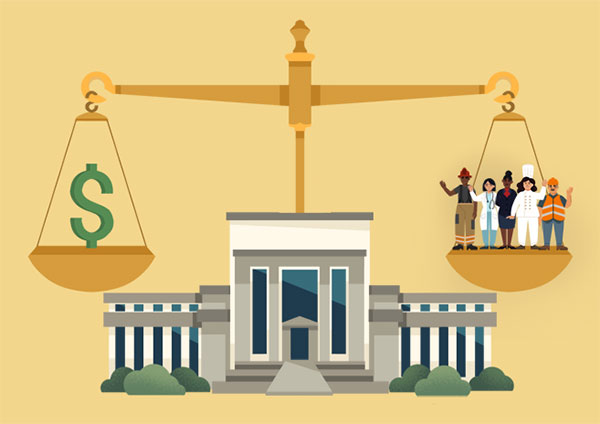
Picture a restaurant where every table is full and nobody is leaving. The diners are fine. The people waiting at the door are not, and the line keeps getting longer even though nobody inside is being asked to go.
That’s the American job market in the fall of 2026, and it explains why the people running the Fed and the people looking for work describe two different economies.
The view from the Fed
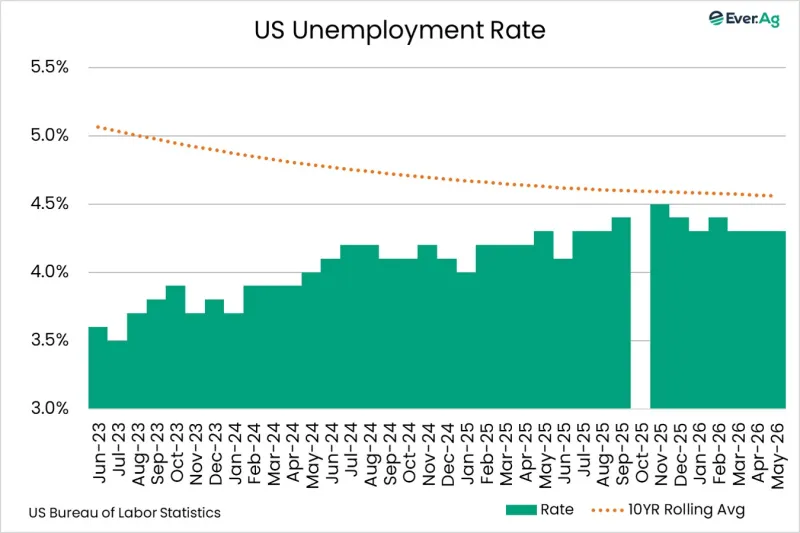
On September 16, after raising rates, Kevin Warsh said that “the labor side of the Fed’s congressional remit is in good shape” and that “the economy has indeed strengthened.” He pointed to a jobless rate around 4.1% and to unemployment claims running at levels he called consistent with full employment.
The layoff data backs him up. Only 197,000 people filed new jobless claims last week, near the lowest level in decades, and the number still collecting benefits is the smallest since April 2023. The diners are keeping their tables.
The view from the door
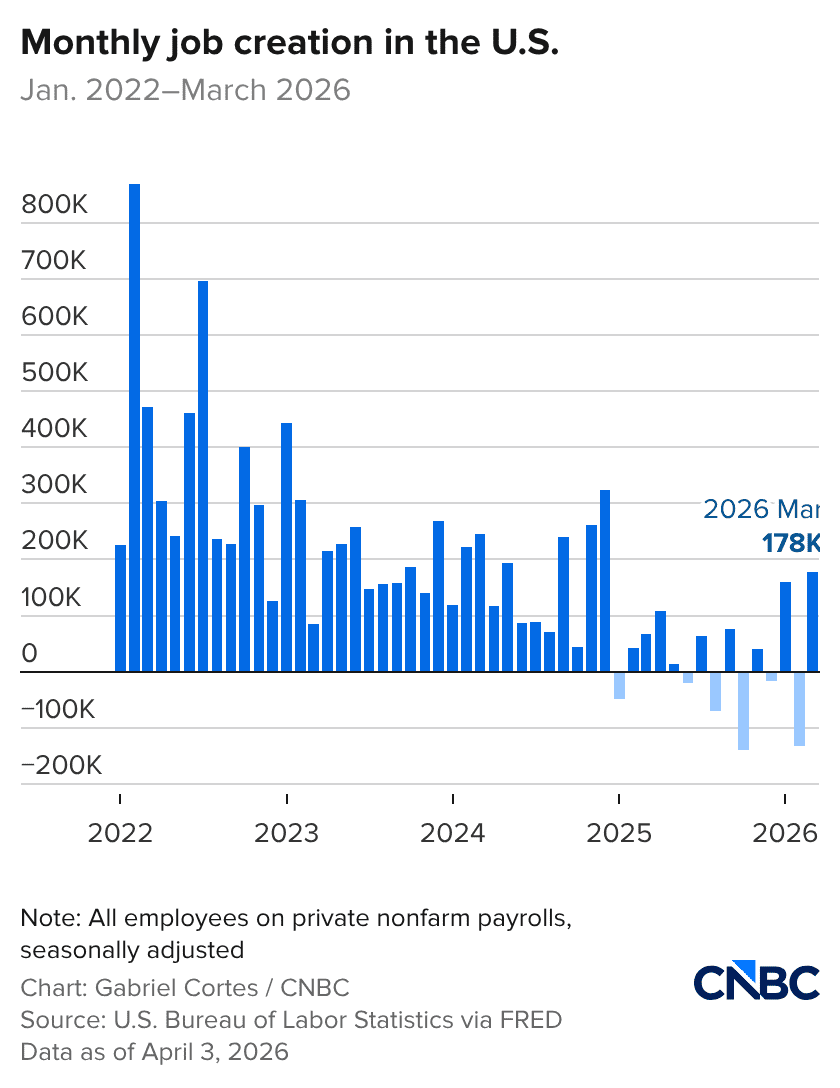
The hiring data tells the other half. Job openings fell to 7.08 million in August, from 7.34 million in July, a report that came out after Warsh spoke. Employers announced their weakest September hiring plans since 2011, and the usual early wave of holiday hiring never arrived.
Ask people directly and the gap gets wider. Only 23.6% of consumers in the Conference Board’s survey say jobs are plentiful, against 21.9% who say they’re hard to get, the narrowest margin since early 2021. Their overall confidence is at its lowest since 2014.
Then there’s pay. Average hourly earnings rose 3.1% over the past year, while prices rose 3.4%. The paycheck is losing to the cost of living, even for people who never lost a job.
How 4.1% can look better than it feels
The unemployment rate counts people looking for work. If fewer people are in the workforce, because of retirements or tighter immigration, the rate can stay low without many new jobs being created. Participation has slipped half a percentage point since January.
Low firing keeps the unemployment rate down. Low hiring is what job-seekers feel.
What to read in the report
Wall Street expects 84,000 to 90,000 new jobs and unemployment holding at 4.1%. The headline will get the attention, but three numbers underneath it will tell you more.
Start with the revisions. August’s strong 162,000 gain may not survive: Barclays estimates that under last year’s seasonal adjustments, the same month would have shown a loss of 74,000 jobs. A big downward revision can matter more than September’s headline.
Then the three-month average, which smooths the noise. Going in, it was about 71,000 a month. Warsh himself calls single data points “noisy,” so hold him to it.
Last, wages against inflation. If pay growth stays near 3.1% while prices run at 3.4%, the strength the Fed describes isn’t reaching paychecks yet.
Tesla as a second opinion
Tesla also reports today how many cars it handed to customers last quarter. The company’s own survey of analysts expects about 462,000, down from 480,126 in the spring and the record 497,099 a year ago, when buyers rushed to grab a federal tax credit before it expired.
Bank estimates run from about 422,000 to 482,000, and last quarter Tesla beat its own consensus by 74,000 cars, so the range matters more than the midpoint. A car is the biggest purchase most households make after a home, which makes deliveries a useful check on whether people feel secure enough to spend, separate from what Tesla earns on each one.
Why it matters
The Fed meets October 27 and 28. A hot report keeps an October hike alive. A weak one, especially with a big revision to August, puts “in good shape” under pressure.
Either way, one report is one frame of a long film. Watch the hiring and the paychecks as closely as the firing.
Editor in Chief | Future Finance
The Institutions Are In. The Edge Is In What They Buy Next.

By the time a pension fund files a disclosure, the easy money has already been made.
The real edge is spotting where serious capital is heading before the paperwork catches up to it.
That’s the whole job of Gems Uncovered, our research on early, asymmetric plays before they reach the mainstream.
Follow the smart money early, not after it’s on the front page.
Final Thought
Two days into the quarter, here’s where our five calls stand.
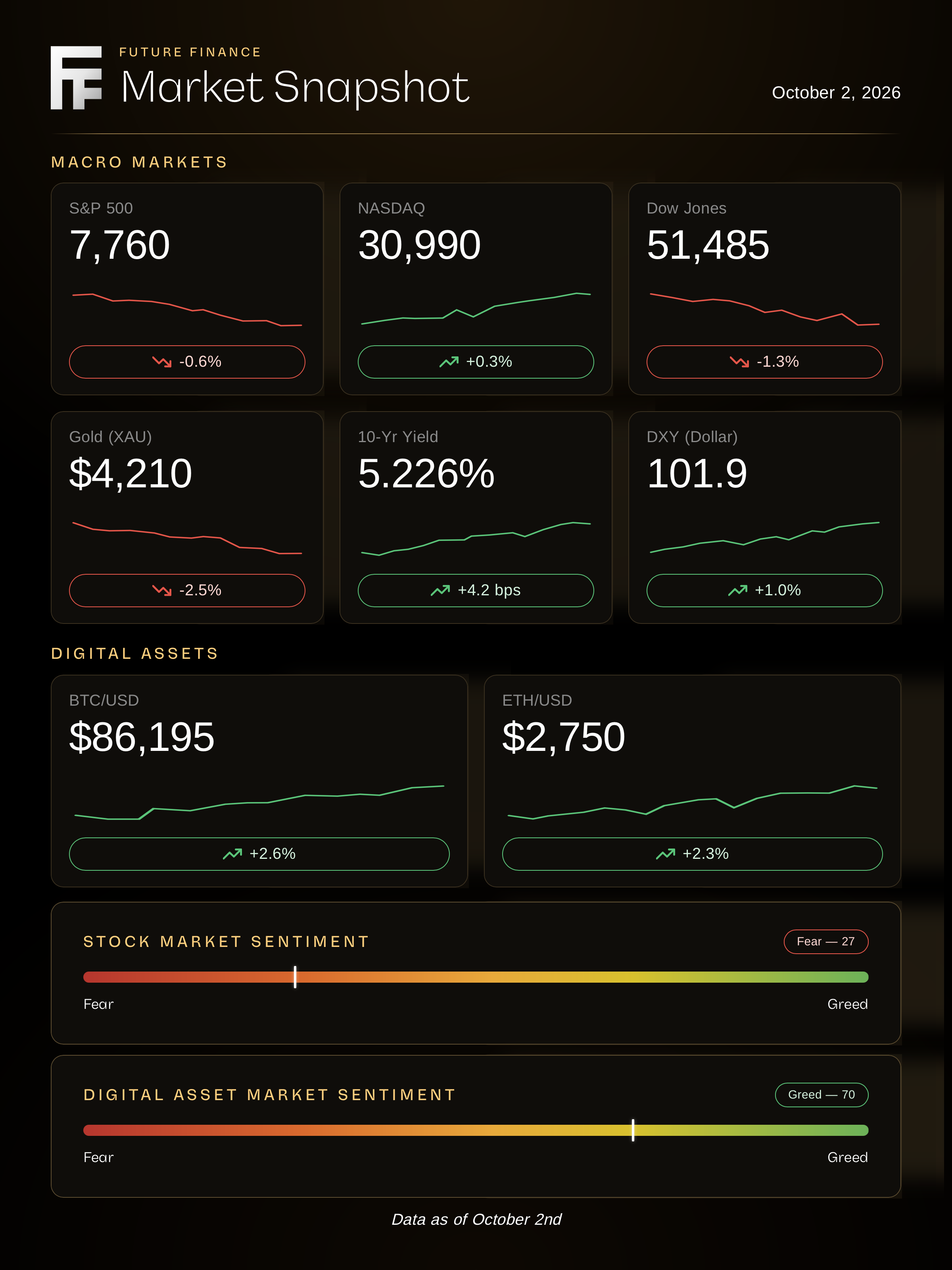
The 10-year yield is near 5.24%, above our 5% line. Bitcoin is near $85,000, still well above $75,000, and gold near $4,190, above $4,000. The dollar index touched 102, above 100, and markets still price a high chance of another Fed hike by December 9.
Nothing is settled in two days, and today’s jobs report is the first real test of the thesis.
Tan Gera grades his own calls every quarter in The Macro Letter, misses included. There’s more on it at the bottom of this issue.
Tomorrow, the week in review. Have a good Friday.
Editor in Chief | Future Finance
Tan Gera Grades His Own Calls. Every Quarter. In Public.

Every quarter, Tan Gera grades two things where readers can see them: what the market did, and what he did.
Last quarter’s report card included a Bitcoin buy at $62,000, set weeks in advance, that filled on July 1, the day of the quarter’s low. It also included the misses: a line he drew half a point too high, and a $77,000 level Bitcoin missed by $162.
That’s The Macro Letter: levels written down before the market reaches them, then graded in the open.
Positions described are Tan’s own portfolio, shared for transparency, and are not a recommendation to buy or sell any asset. Past performance is not indicative of future results.
Latest




Editor's Picks


Become a sharper capital allocator in 5 minutes a day.
Institutional-grade research on where the smartest capital is positioning, across AI, energy, biotech, robotics, and digital assets. Distilled into a daily read you finish before your coffee does.
Join 45,000+ readers · No spam · Unsubscribe anytime · No card needed