
Don't Trust this Morning
Stocks are green, the panic looks over. That's the problem.
June 8, 2026
·
10 min read




The briefing serious investors read first.
Free analysis before markets open. Start thinking in decades, not days.
Join 45,000+ readers · No spam · Unsubscribe anytime
Before we begin: this report is for education, not financial advice. Nothing here is a recommendation to buy or sell any stock, company, or asset, and we make no price predictions. Investing carries risk, including loss. Please read the full disclaimer at the end.
📊 Today’s Big Picture
On Friday, the S&P 500 (INDEX: SP500) had its worst day since October 2025.
A strong jobs report was the culprit. The economy added 172,000 jobs, more than double what was expected.
Good news became bad news. A job market that hot pushes the Fed away from cutting rates and toward raising them.
So bond yields jumped. And everything priced on cheap money fell together. Stocks, gold, and Bitcoin (BTC), all at once.
The money that fled had one destination. Cash. When rates rise, cash pays you to wait, and it does not fall.
This morning, the mood flipped.
The chip stocks that led the fall are bouncing hard. And President Trump posted that Israel and Iran must “immediately stop shooting,” easing some of the weekend’s war fears.
Stocks opened higher. The Nasdaq (INDEX: NASDAQ) is leading the way back up.
But nothing that caused Friday’s selloff has been resolved.
- Oil is still climbing.
- The Fed still has a hot economy on its hands.
- And the real test lands Wednesday.
That is when the May inflation report comes out. Two days before the Fed meets.
By the end of this issue, you will know what really moved the market, why one bounce does not settle it, and what Wednesday could change.
🔍 Signal vs. Noise

Three Headlines, Three Realities
1. The first headline is that the worst is over.
- What the math says: it’s too early to say that.
Stocks are bouncing this morning. The chip names that crashed Friday are leading the way back up.
That is a relief, but it is not a resolution.
Friday’s selloff came from one fear. That a strong economy will keep the Fed from cutting rates, and might push it to hike.
A hot jobs report lit that fear. Nothing this morning has put it out.
The same questions are still open. And the biggest one gets answered Wednesday, when the inflation report lands.
A bounce is not an all-clear. It is a pause before the next number.
2. The second headline is that the AI bubble is bursting.
- What reality says: this was a rate story as much as an AI story.
The chip stocks did fall hardest. The semiconductor index had its worst day since March 2020.
But that is exactly what you would expect. The most expensive stocks fall the most when rates rise.
And this morning, those same chip stocks are bouncing. Micron (NASDAQ: MU) is up. Marvell (NASDAQ: MRVL) jumped on news it is joining the S&P 500.
A market that drops 10% one day and bounces the next is not delivering a verdict on AI. It is repricing in a panic.
3. The third headline is that gold and Bitcoin failed as safe havens.
- What the math says: they were guarding against the wrong danger.
Gold fell to its lowest level of the year. Bitcoin had its worst week since February.
Both protect you from one specific threat. A government printing money and inflating away what your savings are worth.
That threat is real, and it has not gone away.
But on Friday, the market got scared of the opposite danger. Not money losing value. Asset prices falling.
When the fear is falling prices, the winner is cash. It does not drop, at least not in this climate. It earns interest while it waits.
So money rushed out of gold, out of Bitcoin, out of everything, and into cash. And this morning, into the stocks still standing.
That is the rotation underneath Friday. Cash is king, and stocks keep winning, right up until they stop.
The noise says Friday was about jobs, or chips, or crypto.
The signal says it was about one number, and everything that number touches.
The on-ramps are already live. The institutions are already positioning. The deadline forcing the migration is set for Q3 of 2026.
Three hidden markets are built to absorb most of the flow. They are where new digital assets get listed and priced long before Coinbase, Robinhood, or any account you can open today ever sees them.
A free training breaks down where these markets are, what's already moving inside them, and how to get positioned before the institutions finish building their on-ramps.
Watch the free training here →
🧠 Behind the Headlines
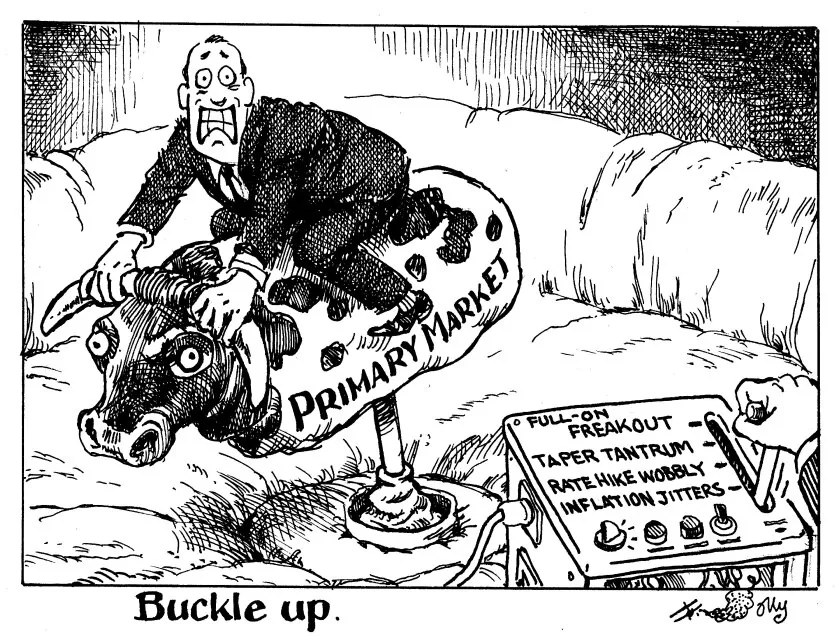
The Last Time A Hint About Rates Moved Everything At Once
On May 22, 2013, the head of the Federal Reserve said something simple.
The Fed might soon slow down the support it had been giving the economy.
He did not raise interest rates. He did not take anything away.
He just hinted that easy money would not last forever.
Markets came undone.
The 10-year Treasury yield shot up. Stocks fell. Gold fell. Entire developing countries saw their markets and currencies crater.
It earned a name. The Taper Tantrum.
Why That Happened
For years, money had been cheap. And nearly everything had been riding the same wave.
Stocks floated on it. Gold floated on it. Emerging markets floated on it.
They looked like different investments. They were the same bet underneath. A bet that easy money would continue.
So when the Fed hinted the wave might recede, everything floating on it dropped together.
Not because the investments were bad. Because they were never really separate.
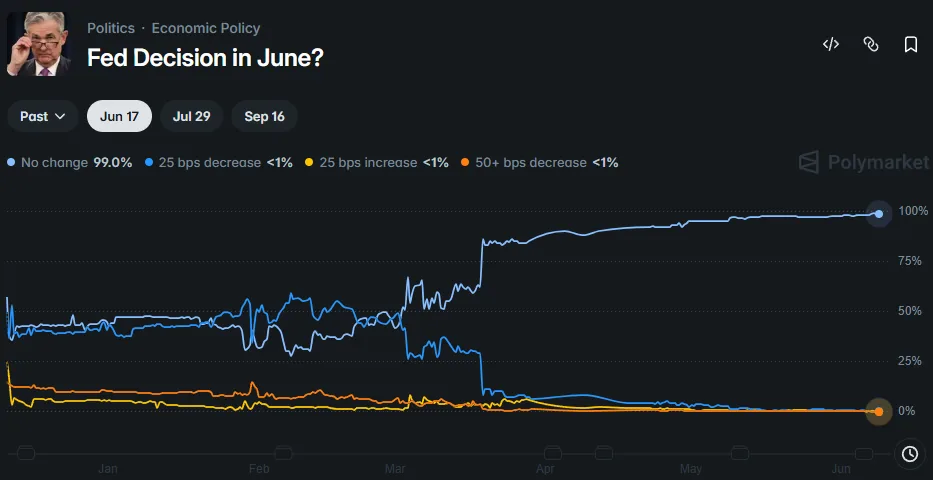
What History Teaches Us
This week, the same setup returned.
The jobs report did not change a single Fed policy. Just like 2013, it only changed the expectation.
A strong job market made cheap money look less likely, and a rate increase look more possible.
The 10-year yield jumped. And stocks, gold, and Bitcoin fell together.
The same way they did in 2013. One shift in the outlook for rates, and everything that depended on cheap money repriced at once.
That is the lesson hiding inside Friday. Most portfolios are not as diversified as they look.
You can own stocks, and gold, and crypto, and feel spread out. But if all three rise and fall on the same interest rate, you do not own three bets.
You own one.
What To Do About It
The investors who came through 2013 intact were not the ones who guessed the yield.
They were the ones who held a mix that did not all depend on the same number.
That is the first principle of what we call the All-Weather approach. The part of a portfolio designed to hold its ground regardless of which way rates move next. Gold, real assets, and productive businesses that do not all rise and fall in unison on the price of money.
It is one piece of a broader framework we work from, called ABN. But it is the piece that matters most in a week when a single variable is moving everything you own.
The point is not to predict Wednesday's number. It is to stop being exposed to it.
See how the All-Weather piece is built →
📰 From Around the Market
Every issue, we bring you the most important stories from around the world and show you why they matter. Think of this as your shortcut through the noise - one click per story, and you’re caught up.
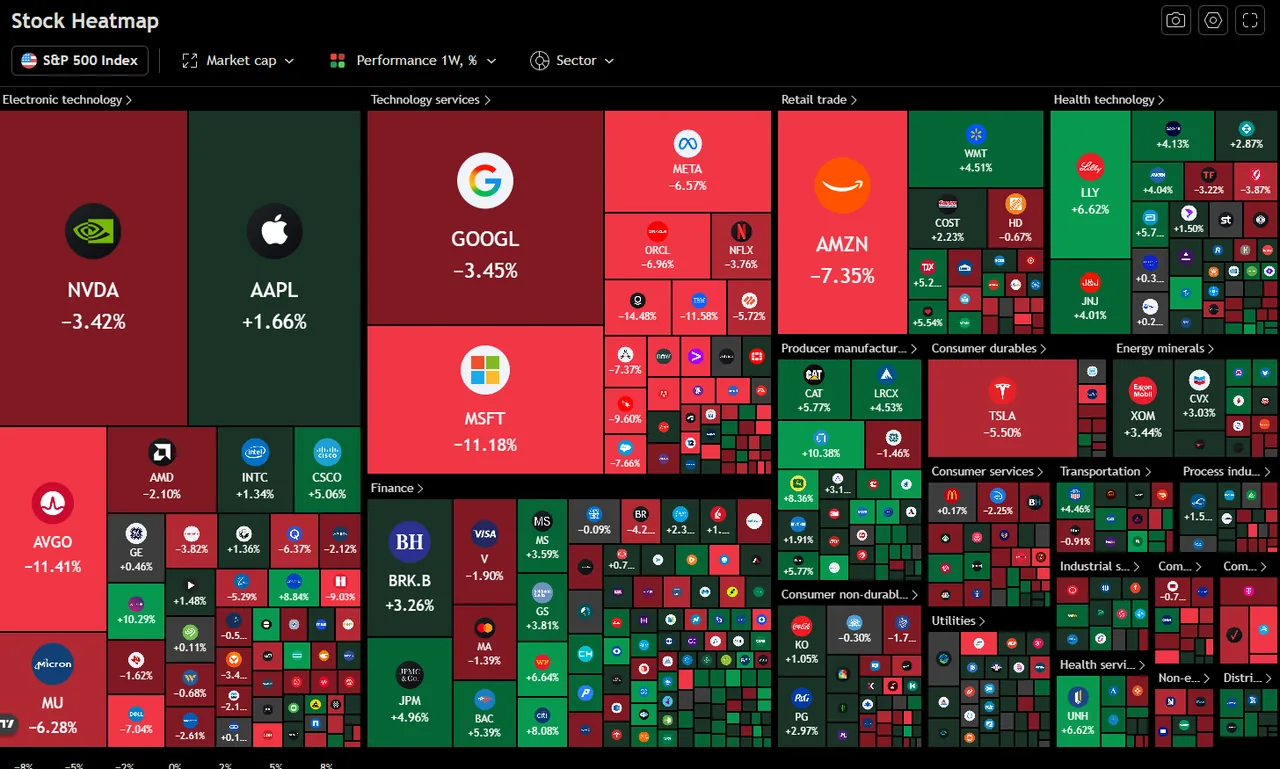
Friday was Wall Street’s worst day since October.
A strong jobs report sent the S&P 500 down more than 2.5% and the Nasdaq down over 4%.
It was the market’s first losing week in ten.
The reason a good economy crashed stocks is the whole story of this issue.
Korea’s market crashed so hard it stopped trading. Again.
When Asia opened this week, Korea’s market fell more than 8% and triggered an automatic halt.
It was only the ninth time in the index’s history that has happened.
Korea builds the world’s memory chips, so when the AI trade falls, it falls hardest there.
Oil jumped 4% after Iran fired missiles at Israel.
Over the weekend, Iran launched missiles at Israel for the first time since the spring ceasefire.
Oil climbed about 4% on Monday in response.
Then it came off the highs after President Trump said a ceasefire could be close. Here’s where things stand.
The great Bitcoin fund exodus just ended.
For 13 straight trading days, money flowed out of US Bitcoin funds. A record streak.
Bitcoin briefly fell below $60,000 on Friday. Then, over the weekend, it bounced back above $63,000.
The traders betting on further declines got caught. Here’s what happened.
👀 What to Watch For

Wednesday’s inflation report is the week’s main event.
The May Consumer Price Index lands Wednesday at 8:30 AM ET. It measures inflation.
Forecasts call for the headline rate to climb above 4%, with the core reading easing slightly.
It arrives two days before the Fed meets. A hot number strengthens the case for higher rates. A cool one could spark a relief rally.
This is the number that matters most this week.
Oracle reports earnings Wednesday too.
Oracle (NYSE: ORCL) reports after the close on the same day as the inflation print.
After Broadcom (NASDAQ: AVGO) spooked the market last week, Oracle’s cloud and AI numbers are the next big test of the AI-spending story.
Watch whether the AI buildout is still accelerating or starting to cool.
The Iran ceasefire that keeps almost happening.
A framework to extend the ceasefire and reopen the Strait of Hormuz is still not signed. Trump has still not made his final call.
The weekend missiles, then the ceasefire talk, show how fast this can swing both ways.
Every swing moves oil, and oil feeds the inflation number the Fed is watching.
The Fed meets next week.
The June 16–17 meeting is new Chair Kevin Warsh’s first. Officials are now in their quiet period before it.
Markets are split on whether a rate hike is coming later this year. Estimates range widely.
This morning’s bounce will be tested all week by the inflation data feeding that debate.
💭 Today’s Final Thought
On Friday, the economy looked strong.
The jobs number came in hot.
And the market had its worst day since October.
Even gold and Bitcoin, the assets people buy to escape all of this, fell with everything else.
For a year, one thing held the whole market up. The promise of cheap money.
The jobs report put that promise in doubt. And everything that depended on it wobbled at once.
This morning, markets are trying to shake it off. Wednesday’s inflation number will say whether they can.
The institutions are not guessing which way it breaks. They own a mix that does not all rise and fall on the same number.
That is the difference between a portfolio and a single bet in disguise.
On Friday, everything moved on one number. Make sure your future does not depend on it.
- Rami Al-Sabeq (Editor in Chief | Future Finance)
About Future Finance
Future Finance is written by Rami Al-Sabeq, Editor-in-Chief, and his research team. His macro-to-crypto work has been featured in Unchained and Cryptonary, and his independent essays appear at RamiWrites.Substack.com.
Behind every issue sits Head of Research Tyler Hubbard, whose track record across 590+ digital asset picks has produced an 85% directional accuracy rate and a 426% average peak return. That’s as of the third-party audit measuring performance through April 30th, 2026. Follow him on TradingView here.
Gems Uncovered
Go Deeper With Gems Uncovered
Most investors see one layer of the market. The opportunities that build real wealth live beneath it. Gems Uncovered is our monthly research briefing on early-stage assets, native market access, and high-conviction plays before they surface on mainst
Subscribe to Gems Uncovered →Disclaimer: This content is not financial advice, it is for informational purposes only. All investments involve inherent risk. Any financial decisions you make are solely your responsibility.
Latest



Editor's Picks


Become a sharper capital allocator in 5 minutes a day.
Institutional-grade research on where the smartest capital is positioning, across AI, energy, biotech, robotics, and digital assets. Distilled into a daily read you finish before your coffee does.
Join 45,000+ readers · No spam · Unsubscribe anytime