
The headlines lied to you this week Fine Print.
The wildest week of 2026 just ended.
June 19, 2026
·
10 min read



The briefing serious investors read first.
Free analysis before markets open. Start thinking in decades, not days.
Join 45,000+ readers · No spam · Unsubscribe anytime
Before we begin: this report is for education, not financial advice. Nothing here is a recommendation to buy or sell any stock, company, or asset, and we make no price predictions. Investing carries risk, including loss. Please read the full disclaimer at the end.
📊 Today’s Big Picture
Markets are closed today for Juneteenth. So this is a good moment to step back and make sense of one of the wildest weeks of the year.
Two cliffhangers we have tracked for a month both ended this week. And they ended in a way almost nobody expected.
The war between the U.S. and Iran is over. The deal is signed. Oil fell to a three-month low, and the average price of gas dropped below $4 for the first time since March.
That is good news for your wallet.
So here is the strange part.
The same week peace broke out and gas got cheaper, the Federal Reserve turned more aggressive. It is now signaling it may raise rates this year.
And while stocks rose on the peace deal, Bitcoin (BTC) fell.
By the end of this issue, you will know why cheaper gas did not calm the Fed, why Bitcoin and stocks moved in opposite directions, and what this whole week is really trying to teach you.
🔍 Signal vs. Noise
Three Headlines, Three Realities
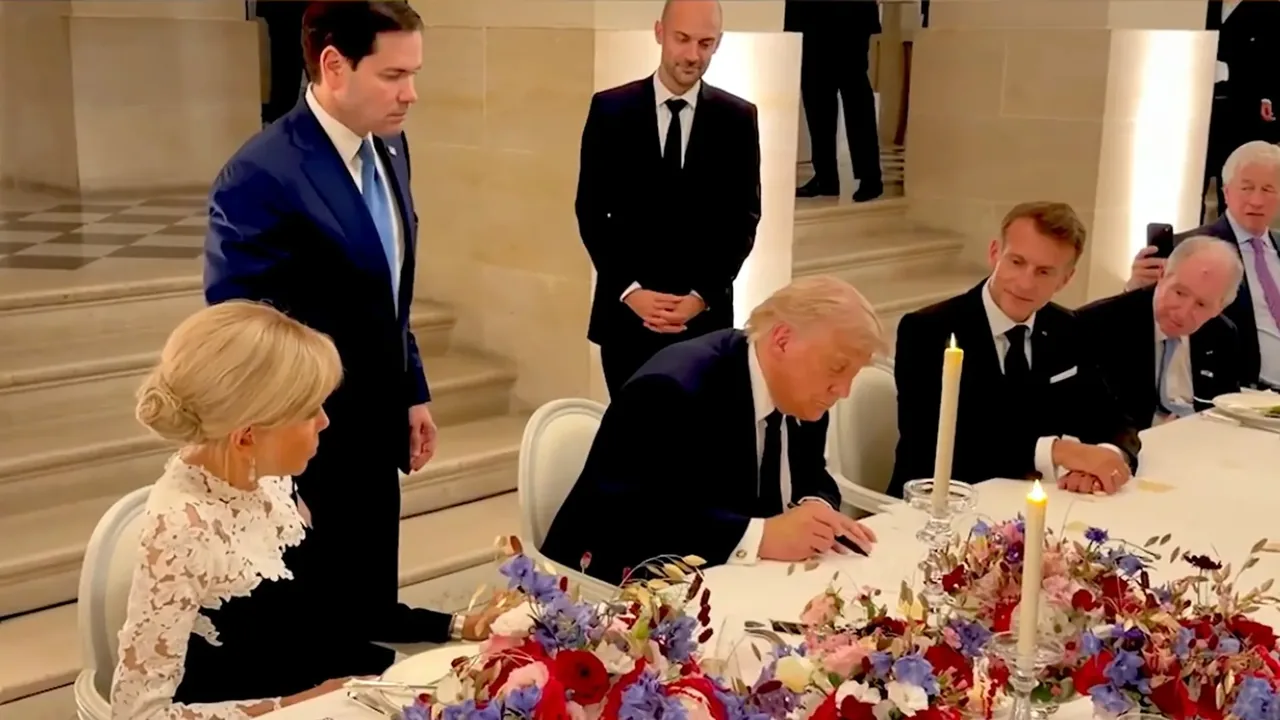
1. The first headline is that the Iran deal is done, so the conflict is behind us.
- What reality says: the easy part is done. The hard part just started.
The deal was real, and it was signed this week. The ceasefire is holding. Shipping is moving through the Strait of Hormuz again, and that is why oil and gas are falling.
But the formal signing ceremony in Geneva was called off, and the agreement was signed electronically instead.
The toughest questions, on frozen funds, on Iran's nuclear program, on Israel and Lebanon, were pushed into 60 days of talks that have not happened yet.
Israel, which was never part of the deal, kept striking Lebanon this week.
A war can stop while the peace is still being argued over.
2. The second headline is that cheaper gas and peace mean the Fed will finally ease.
- What the math says: the Fed did the opposite.
This was the week everyone expected relief. Instead, the Fed turned tougher.
It held rates steady, but its own officials now expect to raise them. Nine of the 18 people who set policy penciled in a rate hike this year. Almost all of them said they are more worried about inflation going up than down.
Why, when gas is getting cheaper? Because the inflation a war sets off does not vanish the moment the war ends. More on that below.
Falling gas is the headline. Sticky inflation is the story the Fed is reading.
3. The third headline is that Bitcoin is digital gold, so peace should have lifted it.
- What reality says: Bitcoin barely noticed the peace. It was watching the Fed.
When stocks rose on the Iran deal, Bitcoin fell. It dropped from around $66,300 before the Fed meeting to near $63,900 after it.
That is because Bitcoin has been trading almost in lockstep with tech stocks, and both of those care about one thing right now. Interest rates.
The Fed turned hawkish, so Bitcoin sold off, even as the geopolitical news turned good.
There is a name for this. Buy the rumor, sell the news. The Fed holding rates was fully expected, so when it actually happened, traders sold.
Bitcoin was not reading the peace deal. It was reading the Fed, like everything else.
The noise says the war is fully behind us, cheaper gas calmed inflation, and Bitcoin protects you from world events.
The signal says the hard part of the deal is still ahead, the inflation is sticky enough to keep the Fed tough, and Bitcoin is moving on interest rates like every other risk asset.
🏛️ A Week This Chaotic Is Exactly Why This Exists
A peace deal. A Fed that suddenly turned aggressive. The biggest IPO in history. A chip stock melting up. Bitcoin falling on the very news that lifted stocks.
If you tried to trade each headline, you spent the week dizzy and second-guessing yourself.
There is a calmer way to invest through weeks like this.
The largest investors were not frantically repositioning around every twist. They held a structure built for all of it.
That’s why the system revealed on the next page exists…
Instead of asking you to guess which headline matters most, it is built to hold up whether the Fed hikes, oil crashes, or crypto drops.
A week like this one is exactly why it exists.

🧠 Behind the Headlines
This week, Head of Education Aleksander Grandwilewski, the DeFi Doctor, on positioning during a volatile week like this one.
Let me answer the question I bet you were asking all week.
Gas got cheaper. Peace broke out. So why did the Fed get more aggressive, not less?
I think about it the way I think about a fever.
The Fever Outlasts The Infection
When a patient comes in with an infection, you treat the cause. But the fever does not break the second the antibiotics start. It lingers for days after.
Inflation works the same way.
The war spiked the price of oil, and that pushed up the price of nearly everything. Now the war is ending and oil is falling.
But the inflation it caused is still working its way through the economy. The fever has not broken yet.
The Fed knows this. And it learned the lesson the hard way.
The Lesson From The 1970s
In the 1970s, an oil shock sent inflation soaring. When oil finally calmed down, everyone assumed inflation would follow it lower.
It did not. It stayed high for years, because once prices and wages start chasing each other, the cycle feeds itself.
The central bankers of that era eased too soon. Inflation came roaring back, and they had to raise rates even higher to finally break it.
This Fed has clearly studied that mistake. That is why it is keeping rates high, and even hinting at a hike, while gas is getting cheaper.
It would rather stay too tight for too long than ease too soon and let the fever come back.
What That Means For Your Money
Here is the part that matters for you. If the inflation fever lingers, high rates are going to be around for a good while longer.
That leaves you with a choice.
You can keep paying those high rates, on your credit card, your car loan, your mortgage. Or you can get on the other side of them and start earning them.
That is the heart of Become Your Own Bank. In a high-rate world, you become the one collecting the yield instead of the one paying it.
The Fed just told you this rate environment has staying power. The only question left is which side of it you want to be standing on.
📰 From Around the Market
Every issue, we bring you the most important stories from around the world and show you why they matter. Think of this as your shortcut through the noise - one click per story, and you’re caught up.
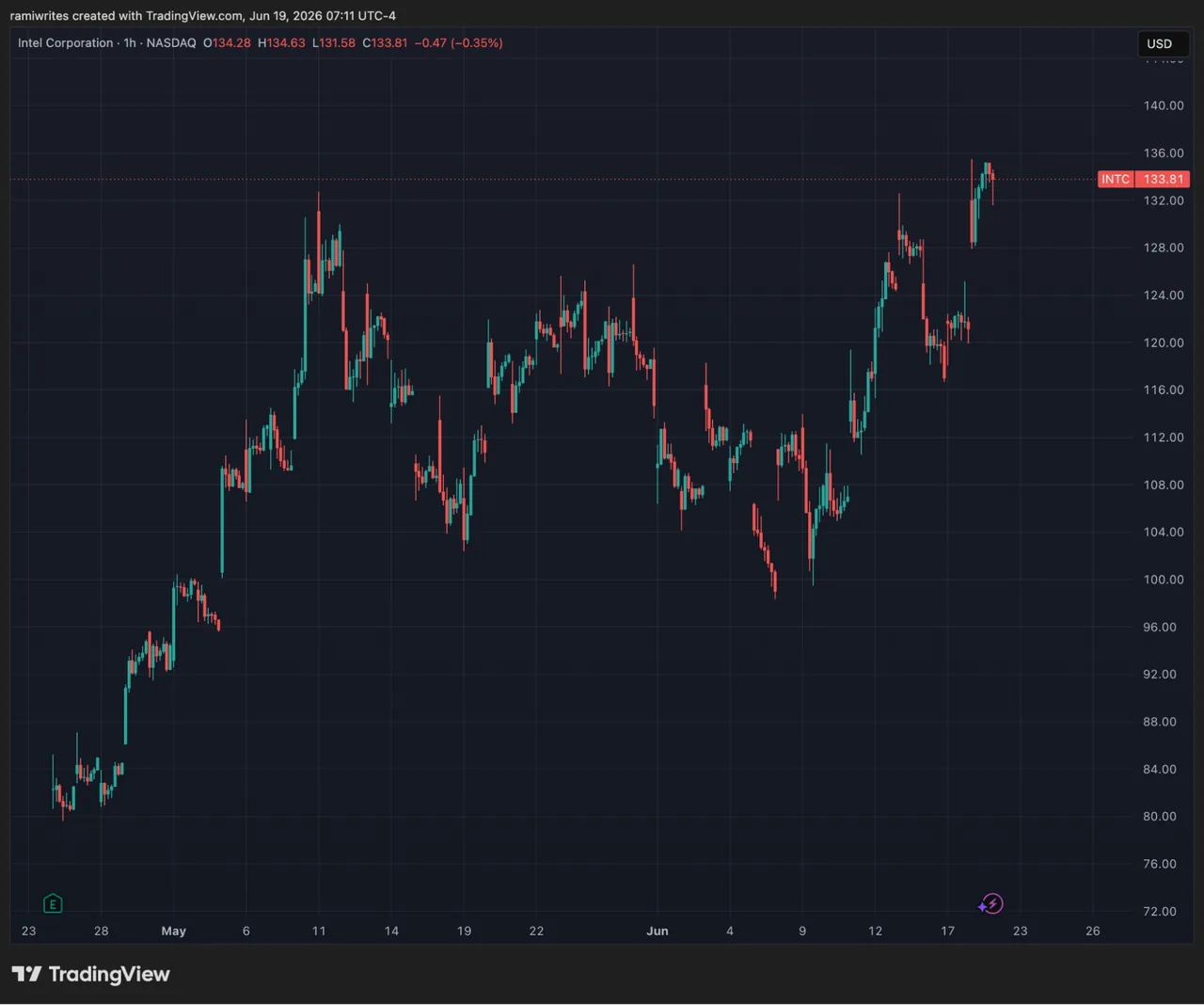
Intel just staged the comeback of the year.
Intel (NASDAQ: INTC) jumped more than 10% Thursday after President Trump said Apple (NASDAQ: AAPL) had agreed to design and build chips with it inside the U.S.
The news set off a surge across the whole chip sector, which had its best day in months.
Here’s why a “made in America” chip deal matters so much.
A rocket company just bought an AI startup for $60 billion.
Fresh off the largest IPO ever, SpaceX (NASDAQ: SPCX) agreed to buy Anysphere, the maker of the popular AI coding tool Cursor, in a $60 billion deal.
A rocket maker spending billions on AI software is the perfect symbol of how hot this market has become.
Here’s what it tells you about the AI frenzy.
One of the world's biggest consulting firms had its worst day in years.
Accenture (NYSE: ACN) beat on earnings, but its stock still tumbled around 16%, its worst day in years.
Investors punished it for spending about $4 billion on acquisitions while its growth outlook softened.
Here’s the rotation reshaping the market.
The world's central banks just split three ways.
The same week the Fed turned hawkish, the Bank of England and the Swiss National Bank held rates steady, while the Bank of Japan raised its own.
It shows a world fighting the same inflation in very different ways.
Here’s what that means for your money.
👀 What to Watch For
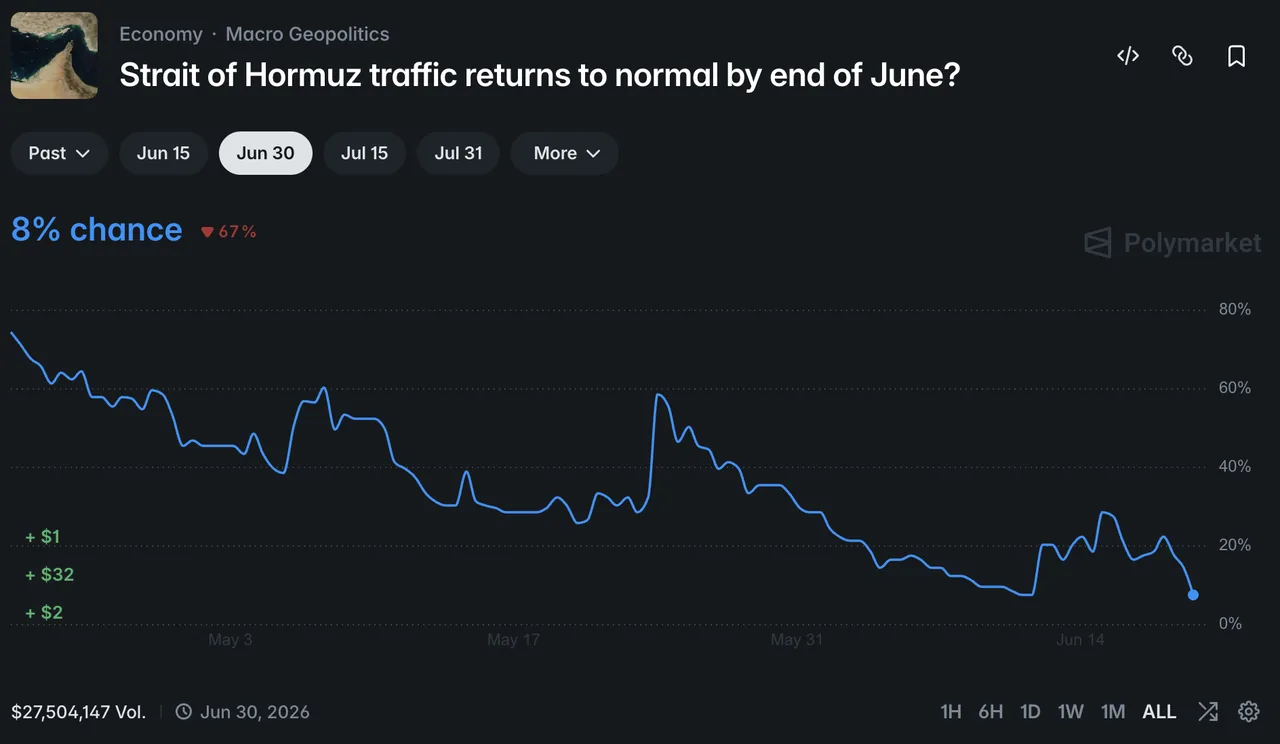
Monday's reopening.
U.S. markets are closed today and reopen Monday. That gives investors a long weekend to digest a hawkish Fed and a signed peace deal.
Watch the first moves Monday for how the market really feels once the dust settles.
Whether the rate-hike talk becomes real.
The Fed's own forecast now leans toward a hike this year. That is a forecast, not a promise.
Watch the next inflation report and the Fed speakers in the coming weeks for whether that hike starts to look certain.
Whether the peace actually holds.
The deal is signed, but the hardest terms are still being negotiated, and Israel kept striking Lebanon this week.
Watch the Strait of Hormuz and the next round of talks. If they break down, the relief in oil and gas could reverse fast.
Whether cheaper gas keeps coming.
Oil is at a three-month low and gas just fell below $4. The shipping lane is still clearing its backlog.
Watch the pump over the next few weeks for the real payoff of this week's peace.
💭 Today’s Final Thought
This was a week of good news.
- A war ended.
- Oil fell.
- Gas dropped below $4.
- The stock market climbed.
And in the middle of all of it, the Federal Reserve looked at the same news you did, and decided to get tougher.
That gap, between how the week felt and how the Fed reacted, is the whole lesson.
Cheaper gas feels like the end of the inflation story.
To the Fed, it is one chapter in a longer one. The inflation a war sets off does not leave when the war does. It lingers, the way a fever lingers after the infection is treated. So the Fed is staying tight, even while the headlines turn friendly.
The deeper point ran through this entire week.
The news that moves your wallet and the force that moves the Fed are not always the same thing. Learn to tell them apart, and weeks like this stop confusing you.
A war ended this week. Gas got cheaper. And the most important thing that happened was a real shift in how the Fed sees the year ahead.
The good news was real. So was the warning underneath it.
The investors who do well from here are the ones who heard both.
- Rami Al-Sabeq (Editor in Chief | Future Finance)
About Future Finance
Future Finance is written by Rami Al-Sabeq, Editor-in-Chief, and his research team. His macro-to-crypto work has been featured in Unchained and Cryptonary, and his independent essays appear at RamiWrites.Substack.com.
Behind every issue sits Head of Research Tyler Hubbard, whose track record across 590+ digital asset picks has produced an 85% directional accuracy rate and a 426% average peak return. That’s as of the third-party audit measuring performance through April 30th, 2026. Follow him on TradingView here.
One Subscription. The Entire Gems Uncovered Research Library.
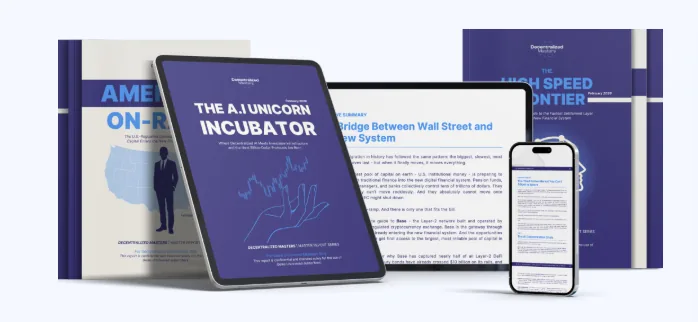
You just read why the surface of the news rarely tells the whole story.
Gems Uncovered
Go Deeper With Gems Uncovered
Most investors see one layer of the market. The opportunities that build real wealth live beneath it. Gems Uncovered is our monthly research briefing on early-stage assets, native market access, and high-conviction plays before they surface on mainst
Subscribe to Gems Uncovered →Disclaimer: This content is not financial advice, it is for informational purposes only. All investments involve inherent risk. Any financial decisions you make are solely your responsibility.
Latest


Editor's Picks

Become a sharper capital allocator in 5 minutes a day.
Institutional-grade research on where the smartest capital is positioning, across AI, energy, biotech, robotics, and digital assets. Distilled into a daily read you finish before your coffee does.
Join 45,000+ readers · No spam · Unsubscribe anytime