
The Fed's biggest risk today isn't a rate hike
Happening live as you read this, and it could move more than any decision.
June 17, 2026
·
9 min read



The briefing serious investors read first.
Free analysis before markets open. Start thinking in decades, not days.
Join 45,000+ readers · No spam · Unsubscribe anytime
Before we begin: this report is for education, not financial advice. Nothing here is a recommendation to buy or sell any stock, company, or asset, and we make no price predictions. Investing carries risk, including loss. Please read the full disclaimer at the end.
📊 Today’s Big Picture
Right now, as this email lands, the most important Fed meeting in years is ending.
It’s 2pm Eastern. Kevin Warsh's first decision as Fed chair is hitting the wires as you read this.
The rate itself almost certainly stayed put. That was never the suspense.
So why does this moment matter so much?
- First, the Fed just released its own forecast, and it was expected to bury the last rate cut anyone counted on for 2026.
- Second, and stranger, the new chair wants to stop explaining himself. In a few minutes he faces the cameras, and he may tell markets less than any chair before him.
Here is the twist.
What could move markets is how little the new chair is willing to say.
And the only reason the Fed could sit still, with inflation at 4%, is a peace deal half a world away that just crashed the price of oil.
By the end of this issue, you’ll know what today's decision really comes down to, why a quiet chairman could rattle markets more than a loud one, and how a war ending changed the math.
🔍 Signal vs. Noise
Three Headlines, Three Realities
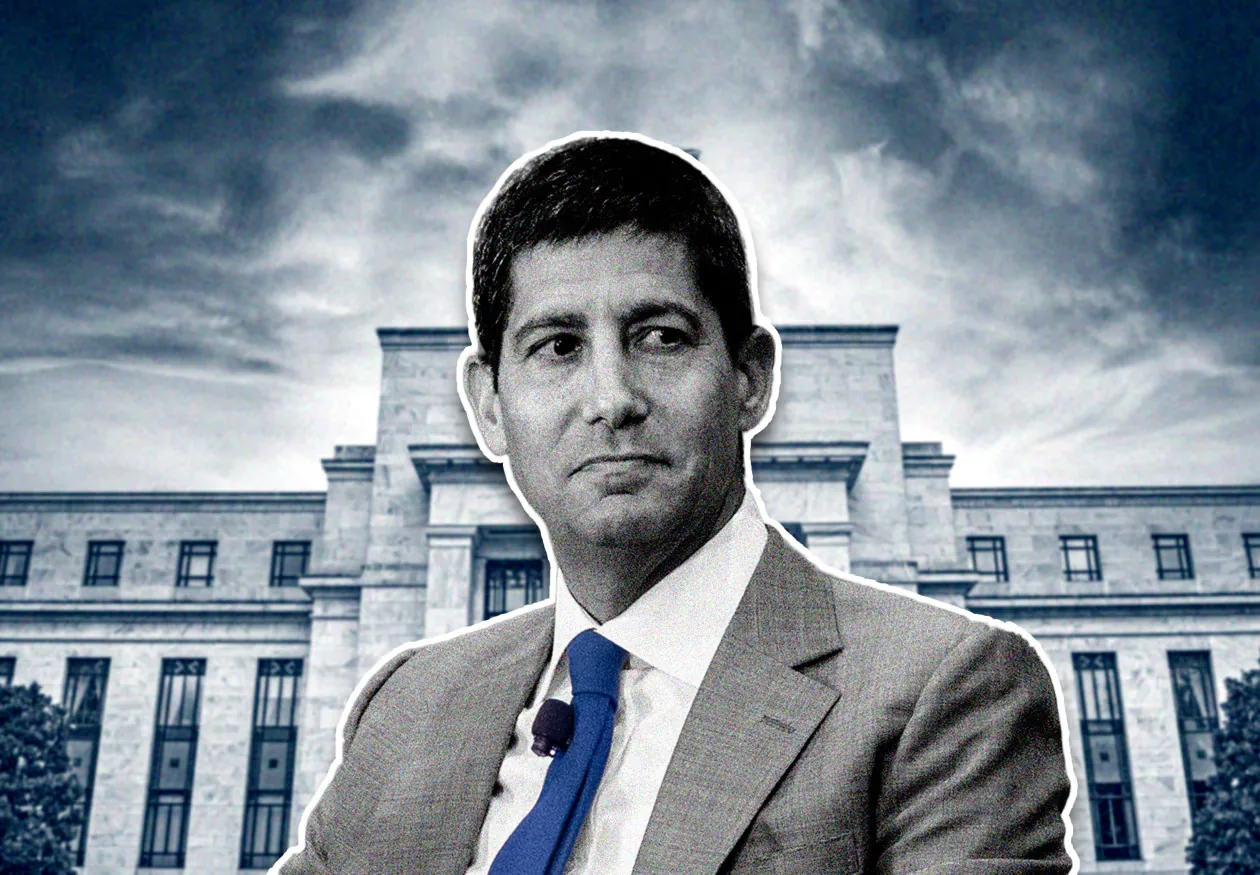
1. The first headline is that today is a non-event because rates will not move.
- What reality says: the rate was never the decision.
It is true that almost no one expects the Fed to change rates today. On that, the suspense is gone.
But the Fed will also release its own forecast, a chart that shows where each official thinks rates are heading.
That forecast is expected to erase the last rate cut anyone was counting on this year.
So the headline number stays flat while the real message shifts hard. Cuts are leaving the table.
The rate is settled. The story is not.
2. The second headline is that a new Fed chair means relief is coming.
- What the math says: this chair is the opposite of relief.
People hear “new leadership” and assume a fresh, friendlier start. Lower rates. An easier ride.
Kevin Warsh is a known inflation hawk. And he has signaled he wants the Fed to talk less, guide less, and reassure markets less.
The relief most investors are hoping for is the very thing today is expected to take away.
A new face does not mean a softer message.
3. The third headline is that the war ending killed inflation.
- What reality says: peace bought time, and that is all so far.
Inflation is still running at 4%, the hottest in three years. A weekend announcement did not undo that.
What the peace deal did was crash the price of oil, and cheaper oil cools the months ahead.
Here is the part worth holding onto. It took a peace deal, not a recession, to ease the pressure. And that peace is not even signed yet.
The Fed is leaning on a deal that still gets signed on Friday, if it holds.
Peace gave the Fed room to breathe. It did not give it a finish line.
The noise says today is quiet, the new chair is friendly, and the war fixed inflation.
The signal says cuts are vanishing, the chair is a hawk who wants to say less, and the calm rests on a deal that is not done.
Free Strategy Call
Most Investors Are Holding Their Breath. You Don't Have To.
There is another way to live through a day like today. The largest investors are not holding their breath at 2pm. Their portfolios were never built on guessing the Fed. They are built to hold up whether rates rise, fall, or sit still. That is the entire point of the system revealed on the next page.
See what that feels like right here…🧠 Behind the Headlines
This week, Decentralized Masters CEO Tan Gera on the pillar of the ABN System that matters most right now.
A decision is landing as you read this, and a new chair is about to tell the world where he thinks rates go next.
Before you build a single move around his words, let me share the most expensive lesson of the last decade.
When The Fed Was Certain, And Certainly Wrong
Think back to 2021. Prices were climbing, and the Federal Reserve had a one-word answer for it.
Transitory. Temporary. Nothing to worry about.
Investors believed them. They held the classic mix of stocks and bonds, trusting the Fed had it under control.
The Fed was wrong.
Inflation kept climbing, and in 2022 the Fed hiked at the fastest pace in forty years.
Stocks and bonds fell together that year, one of the worst stretches for that classic portfolio in a century. The people who trusted the forecast paid for it.
All-Weather Means You Do Not Need The Forecast
The investors who came through 2022 intact owned more than stocks and bonds. They also held real assets, the kind that rise when inflation does.
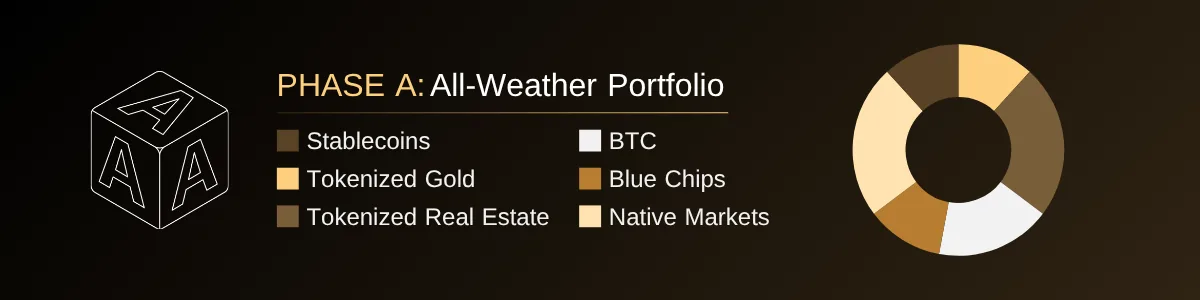
That is the first pillar of our framework, the one we call All-Weather.
You hold a piece of every environment at once, so you are never depending on the Fed to be right.
Some of it rises when rates fall. Some holds firm when they climb. Some protects you when inflation bites, and some when growth slows.
Why That Matters Even More Today
In a few minutes, this Fed is expected to give you less guidance than any before it. For someone betting on the forecast, that is unsettling.
For an All-Weather portfolio, it changes nothing. The whole point was never to need the forecast.
The investors who sleep well tonight are the ones who never had to guess the Fed at all.
You control one thing the Fed will never hand you. A portfolio built to survive whatever it decides.
📰 From Around the Market
Every issue, we bring you the most important stories from around the world and show you why they matter. Think of this as your shortcut through the noise - one click per story, and you’re caught up.
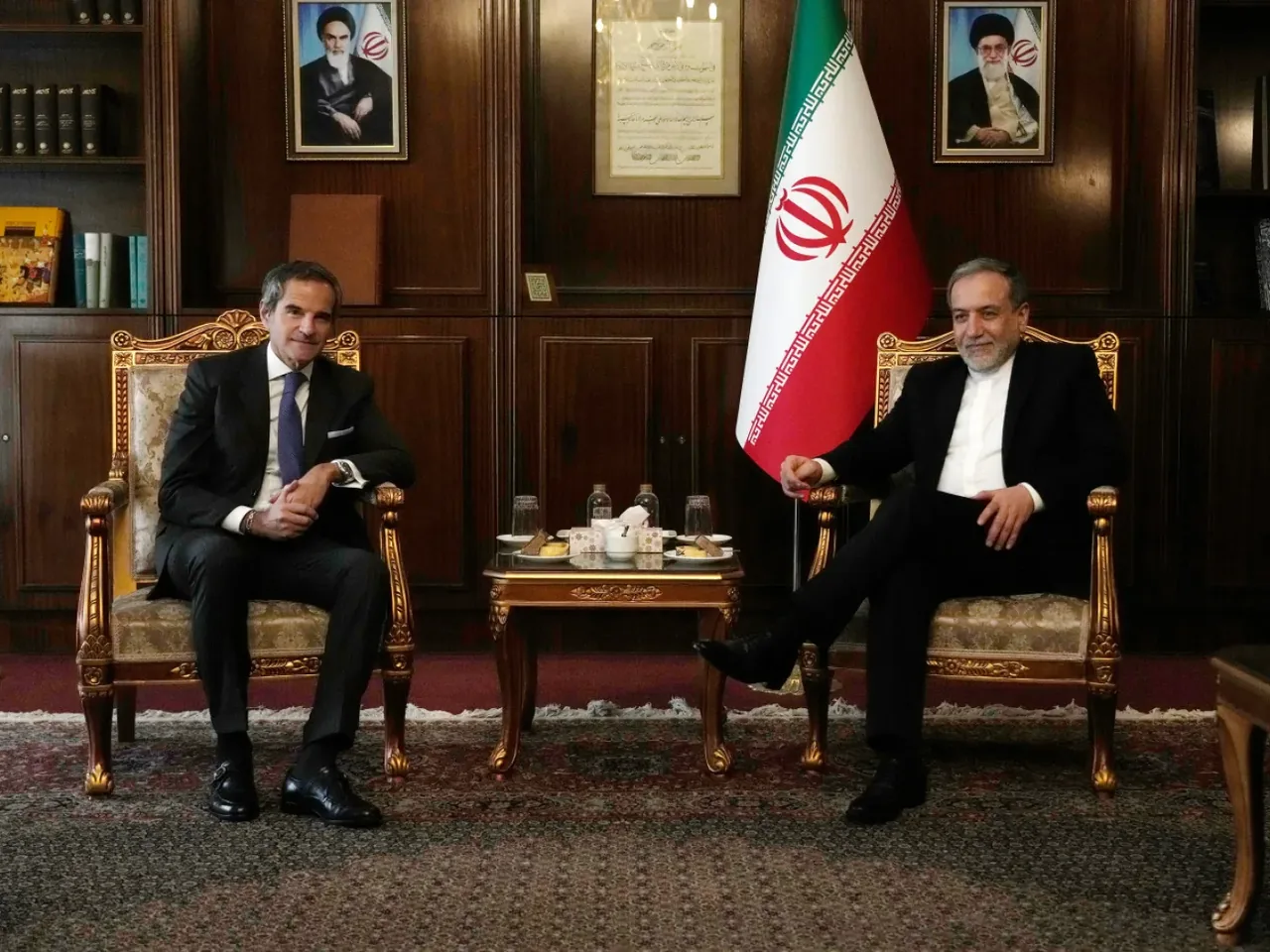
The Iran peace deal is set to be signed Friday.
The U.S. and Iran are scheduled to sign a formal agreement Friday in Geneva to permanently end the war and reopen the Strait of Hormuz.
The ceasefire is holding, but the two sides still disagree on key terms, and Israel is a wildcard.
Here’s what could still go wrong before Friday.
Oil has fallen almost 40% from its wartime high.
U.S. crude slid toward $75 a barrel, its longest losing streak of the year, as traders bet Iranian oil is about to flow again.
This is the drop that gave the Fed room to stay calm today.
Here’s how far it could still fall.
Bitcoin slipped toward $65,000 as nerves build before the Fed.
Bitcoin (BTC) eased back toward $65,000, giving up part of its jump on the peace news as traders cut risk before the decision.
Like stocks and gold, it is coiled and waiting to see what the Fed signals this afternoon.
Here’s why crypto now moves on interest rates.
SpaceX is now one of the five biggest companies on earth.
Days after the largest IPO in history, SpaceX (NASDAQ: SPCX) kept climbing, passing a $2.6 trillion value and overtaking Amazon.
It even announced a $60 billion deal to buy Cursor, a popular AI coding startup.
Here’s what is fueling the frenzy.
👀 What to Watch For
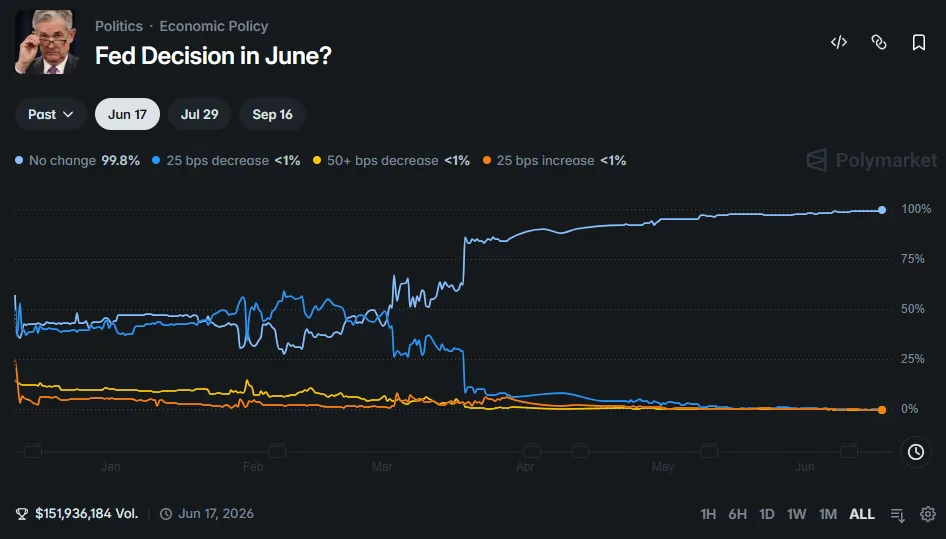
Right now: the decision and the dot plot.
The rate almost certainly held. The chart that matters is the dot plot, the Fed's own forecast of where rates go next.
If the last 2026 cut disappeared, or any official penciled in a hike, that confirms the easy-money era is on pause.
That single chart tells you more than the rate decision itself.
In minutes: Warsh takes the microphone.
At 2:30, his first press conference as chair is the main event. Markets will hang on his tone.
Watch whether he sounds worried about 4% inflation, and whether he really does pull back on guiding markets the way he has hinted.
How the market reads it.
Stocks, gold, and Bitcoin are all coiled and waiting. A hawkish tone tends to pressure them, a calm one tends to lift them.
The cleanest tell is the two-year Treasury yield. If it jumps, the market heard “higher for longer.”
Friday: the signing in Geneva.
The peace deal is the reason oil fell and the Fed can breathe. A signed agreement makes that real.
Watch whether it gets signed, or whether an Israel-Lebanon flare-up sends the war premium back into oil.
💭 Today’s Final Thought
As you read this, a new Fed chair is delivering his first decision.
The rate almost certainly stayed where it is.
The Fed's own forecast has probably buried the last cut anyone hoped for this year.
And in a few minutes, the man at the microphone may tell you less than any chair before him.
It is a strange kind of importance. Nothing obvious happens, and yet how this Fed talks to you, and how much it trusts you to sit with uncertainty, is being set right now.
The lesson runs through the whole week. The less the Fed tells you, the more you are on your own. And the only real protection from that is a plan that never needed the Fed to spell out the future.
A war ending gave the Fed room to breathe. A new chair is changing how it speaks. And through all of it, the cost of money keeps running the show.
The decision is landing in real time as you read this. On Friday, we will break down exactly what the Fed did, and the lessons this meeting leaves for your money. Look out for it.
The Fed is about to get harder to read.
Build a portfolio that does not need to read it.
- Rami Al-Sabeq (Editor in Chief | Future Finance)
About Future Finance
Future Finance is written by Rami Al-Sabeq, Editor-in-Chief, and his research team. His macro-to-crypto work has been featured in Unchained and Cryptonary, and his independent essays appear at RamiWrites.Substack.com.
Behind every issue sits Head of Research Tyler Hubbard, whose track record across 590+ digital asset picks has produced an 85% directional accuracy rate and a 426% average peak return. That’s as of the third-party audit measuring performance through April 30th, 2026. Follow him on TradingView here.
Gems Uncovered
Go Deeper With Gems Uncovered
Most investors see one layer of the market. The opportunities that build real wealth live beneath it. Gems Uncovered is our monthly research briefing on early-stage assets, native market access, and high-conviction plays before they surface on mainst
Subscribe to Gems Uncovered →Disclaimer: This content is not financial advice, it is for informational purposes only. All investments involve inherent risk. Any financial decisions you make are solely your responsibility.
Latest

Editor's Picks

Become a sharper capital allocator in 5 minutes a day.
Institutional-grade research on where the smartest capital is positioning, across AI, energy, biotech, robotics, and digital assets. Distilled into a daily read you finish before your coffee does.
Join 45,000+ readers · No spam · Unsubscribe anytime