

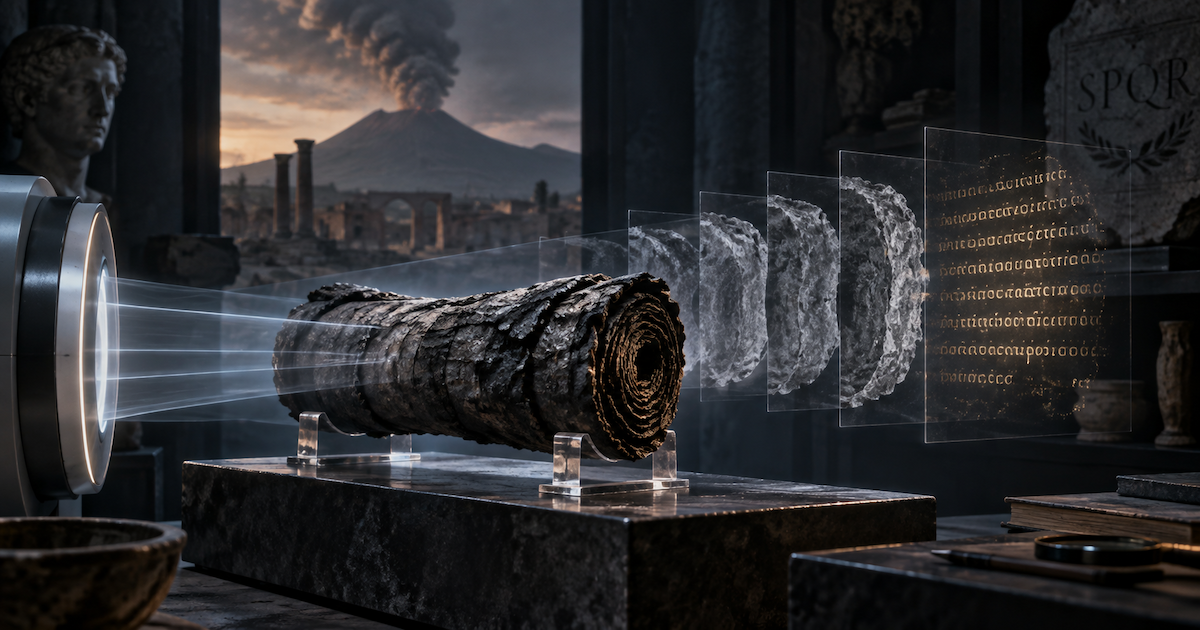
A 2,000-year-old scroll, read without opening it…
The second wave of AI reads what’s already there. Curzio on discovery, plus Europe’s rails go live and the Fed finds its voice. →
September 21, 2026
·
5 Min Read



The briefing serious investors read first.
Free analysis before markets open. Start thinking in decades, not days.
Join 45,000+ readers · No spam · Unsubscribe anytime · No card needed
Today’s Big Picture
In June, researchers read a scroll that Mount Vesuvius buried in the year 79. They never unrolled it. X-rays and machine learning found the ink inside a lump of carbon and reconstructed the text, end to end.
A nice story about antiquity, and the clearest demonstration yet of an economic shift: better computing turns information you already have, but can’t read, into something worth money.
Frank Curzio has spent this month walking readers down the AI trade one layer at a time: the grid that powers it, then the debt that funds it.
Today, the data underneath it…
Seismic surveys and drill cores collected a decade ago, reread by machines until they point at copper and oil nobody could see the first time.
The second wave of AI is old data made valuable.
The chips stay necessary. The next profits may sit with whoever owns the scarce physical asset and the library that describes it.
His piece is below. The full research behind it lives in Curzio Alpha.
And the week: Europe’s tokenized rails switched on this morning, the Fed’s officials are speaking for the first time since the hike, and Xi Jinping arrives Thursday to discuss a tariff truce that expires in seven weeks.
Advertisement
One Stock. Three Potential Trillion-Dollar Spinoffs.
In 2014, Marc Chaikin told his readers to put a big chunk of their retirement money into Nvidia. He says anyone who followed that recommendation is up more than 45,000% at this point.
He now believes he has found an even better retirement stock for the years ahead. The company is sitting on three fast-growing businesses, and each one could be spun off into a separate publicly traded company.
One ticker today could become three tickers tomorrow:
See Chaikin’s new #1 retirement pick here →
Disclosure: MarketWise is a paid partner of Future Finance. The forecasts, track record and claims above are the views of Marc Chaikin Chaikin Analysis and MarketWise, and do not represent the view of Future Finance.. As always, do your own diligence.
Signal vs. Noise
Europe’s Rails Went Live This Morning
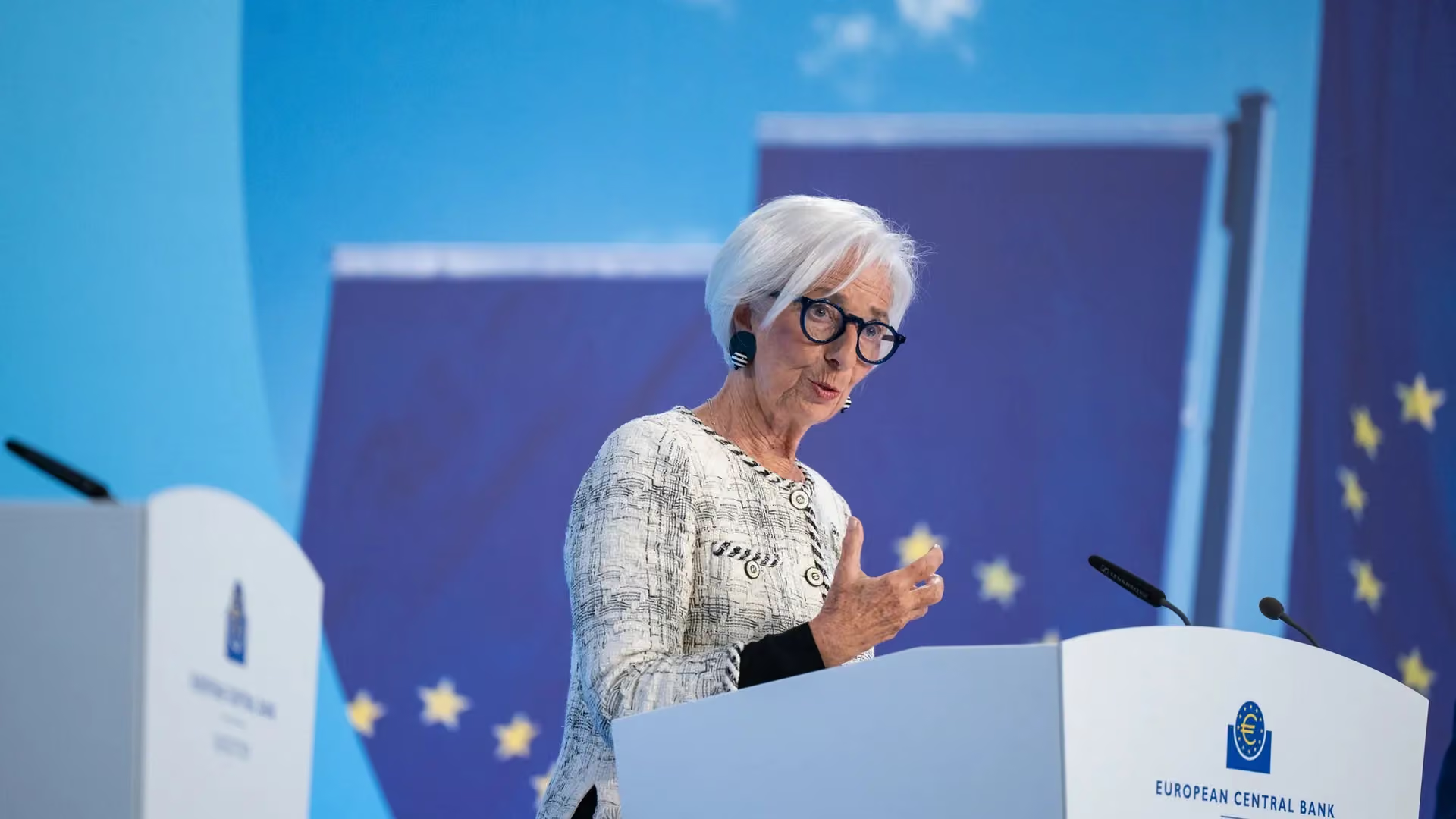
- The noise: a European Central Bank system launch, which sounds like an IT upgrade.
- The signal: it’s the thing Doc told you was coming when he wrote up Japan’s plan. Pontes connects private blockchains to the same payment system that clears the euro, so a tokenized bond can settle in central-bank money.
The ECB dropped the word “pilot.” This is production, and the first live transactions are expected during the day.
Four days earlier, the SEC did its version. On Wednesday it granted a five-year exemption letting tokenized U.S. stocks trade on public blockchains through automated market makers, for verified American participants only, with real shareholder rights attached and caps on volume and tickers. It runs to September 2031 while permanent rules get written.
Same week, two continents, same conclusion: the securities move on-chain, the money that settles them stays official. The plumbing is the argument, and it’s winning without a headline.
The Fed Speaks, and October Is a Coin Flip
- The noise: every Fed speech this week will be read as a hint.
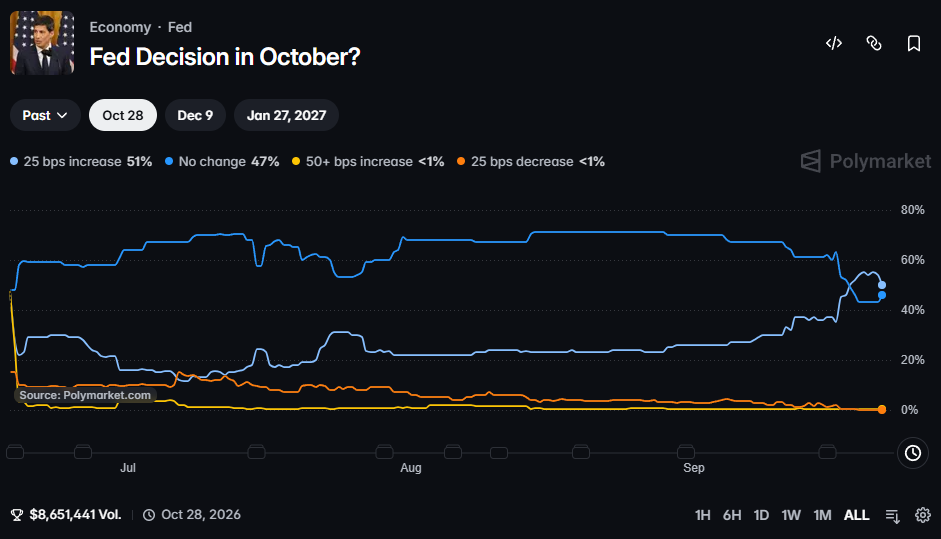
- The signal: the first one already landed. Neel Kashkari, who wanted this hike in July, said Sunday that inflation has “broadened well beyond” the oil shock into services.
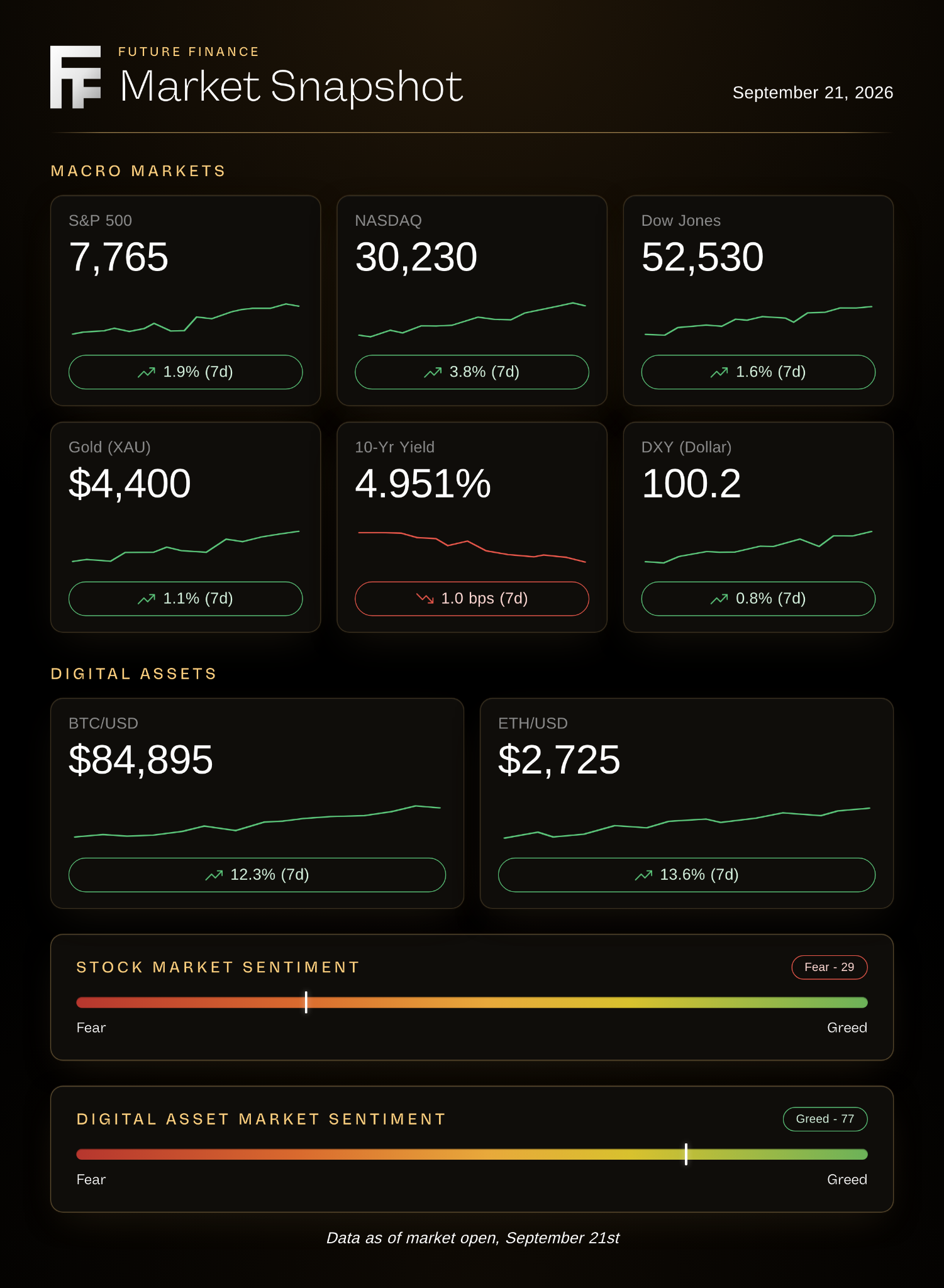
Traders price another quarter point in October near 55%, and one by December near 90%.
The lenders vote before the speakers finish. The Treasury sells 2-year notes tomorrow, the maturity that tracks Fed intent, at a yield near 4.74%, the highest since 2024. Five-year Wednesday, seven-year Thursday.
And Tan’s long-end test, set last week: a 30-year close below 5.36% would mean the bond market believed the chairman. Friday’s close was 5.336%, a pass by two basis points, and he grades it in full today.
Three Days to Xi, and the Barrels Are Coming Back
- The noise: the agenda list for Thursday runs from Taiwan to TikTok.
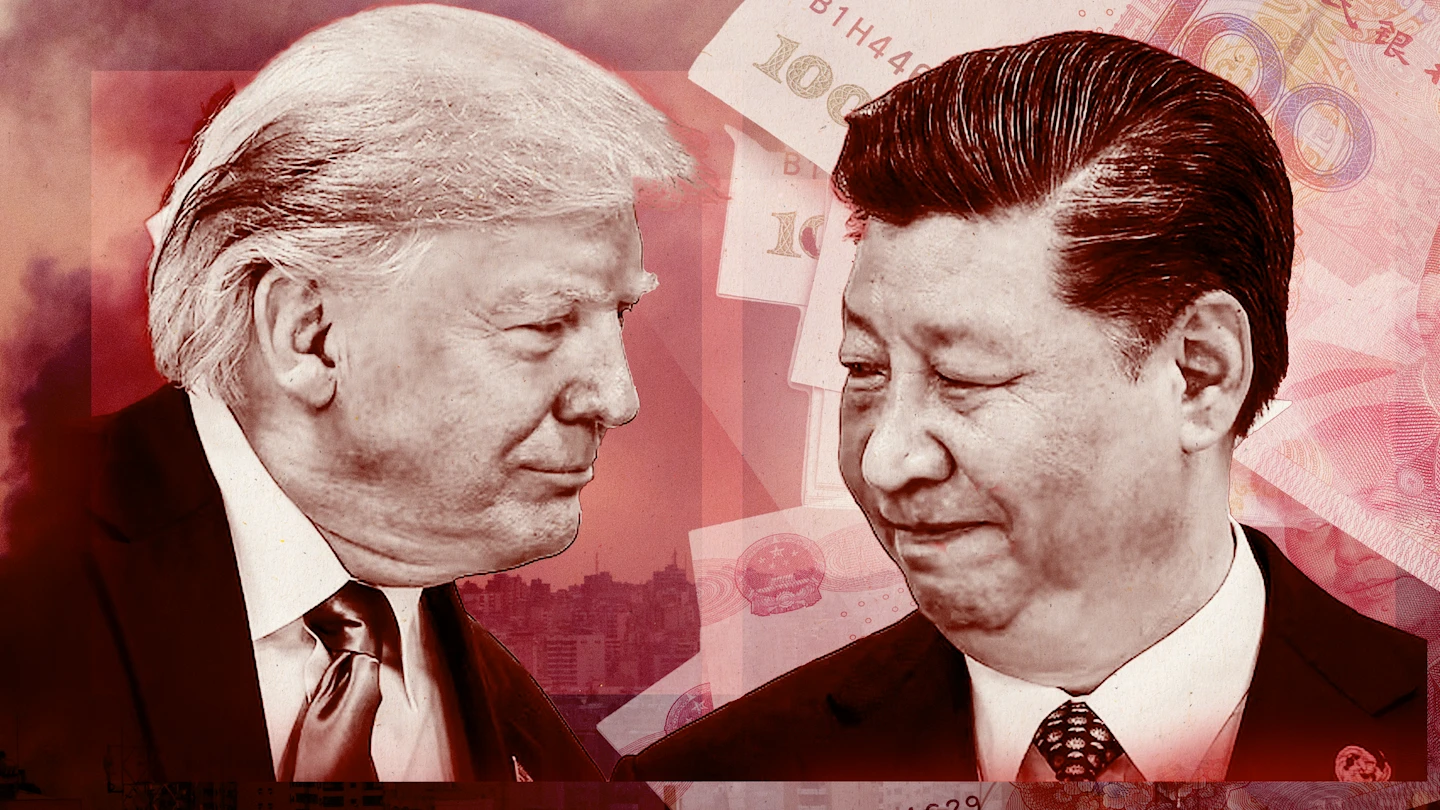
- The signal: one date on it matters to your portfolio. The tariff truce between the two largest economies expires November 10, and the consensus expects an extension rather than a deal.
Whether the truce leaves Washington with a new date or a deadline is the whole question.
Oil is helping the mood. Saudi Aramco expects to restore about half of the East-West pipeline within days and full capacity in roughly six weeks, and satellite trackers show crude moving through Hormuz by ship-to-ship transfer at about 2.8 million barrels a day. Brent settled Friday at $103.87, down from $109 a week earlier.
Bitcoin closed its week above $77,000, taking Tan’s line off probation, and traded in the low $80,000s this morning. One calendar correction from Sunday: Starship’s next flight has slipped to no earlier than September 28.

Featured Contributor
Today’s guest is Frank Curzio of Curzio Research. His piece ran September 15 and is edited here for length. The figures were verified against S&P Global, TotalEnergies, ExxonMobil, and the companies’ own filings; one update: KoBold now guides the Mingomba mine’s cost at $2.3 to $2.5 billion.
The exploration company he names near the end is a pre-revenue microcap with no drilling yet approved, up many times over since listing; Frank uses it as an illustration, and so should you. Nothing here is a recommendation.
‘Discovery’ Could Be the Next Trillion-Dollar AI Business
When Mount Vesuvius erupted in A.D. 79, it buried a collection of papyrus scrolls in the Roman town of Herculaneum. The heat carbonized the scrolls, leaving them so fragile that physically opening them could destroy the text.
Then, in 2026, the Vesuvius Challenge announced that PHerc.
1667 had become the first Herculaneum scroll to be virtually unwrapped and read from end to end. The scroll itself still hasn’t been unrolled.
Instead, researchers combined high-resolution X-ray imaging, virtual unwrapping techniques, and machine learning to reconstruct its surface and detect the ink hidden inside.
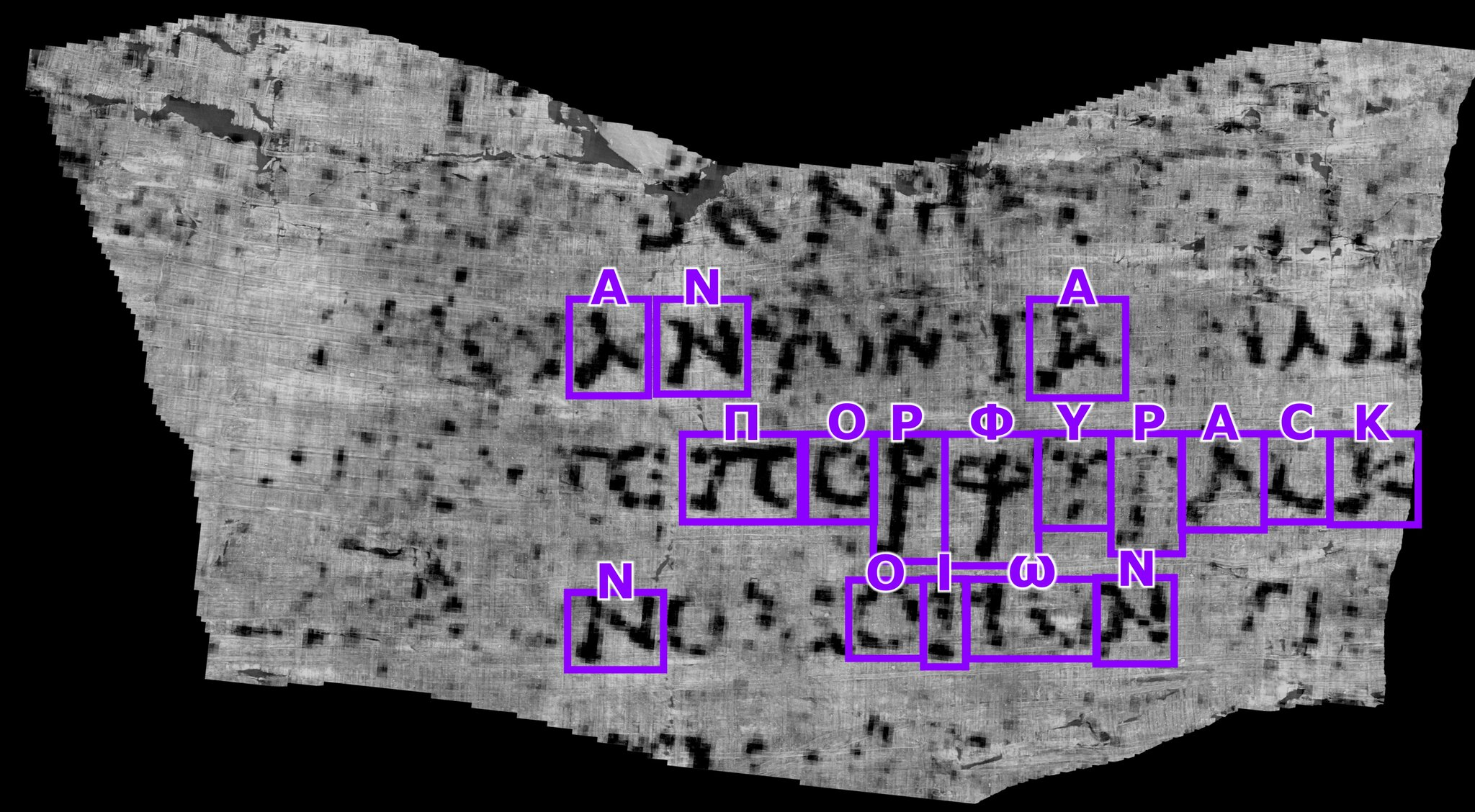
The ability to read an ancient manuscript isn’t exactly market-moving news. But it provides an unusually clear demonstration of a much larger economic shift: better computing can turn previously inaccessible information into a valuable asset.
For investors, that creates a second wave of the AI trade, one built around the companies whose existing data and physical assets become more valuable as our ability to analyze them improves.
AI is changing the economics of discovery
Finding a major oilfield or mineral deposit has traditionally required an enormous amount of money, time, and uncertainty. Mining projects can take well over a decade to move from discovery to production. S&P Global estimates the average development timeline for a new mine is about 17 years.
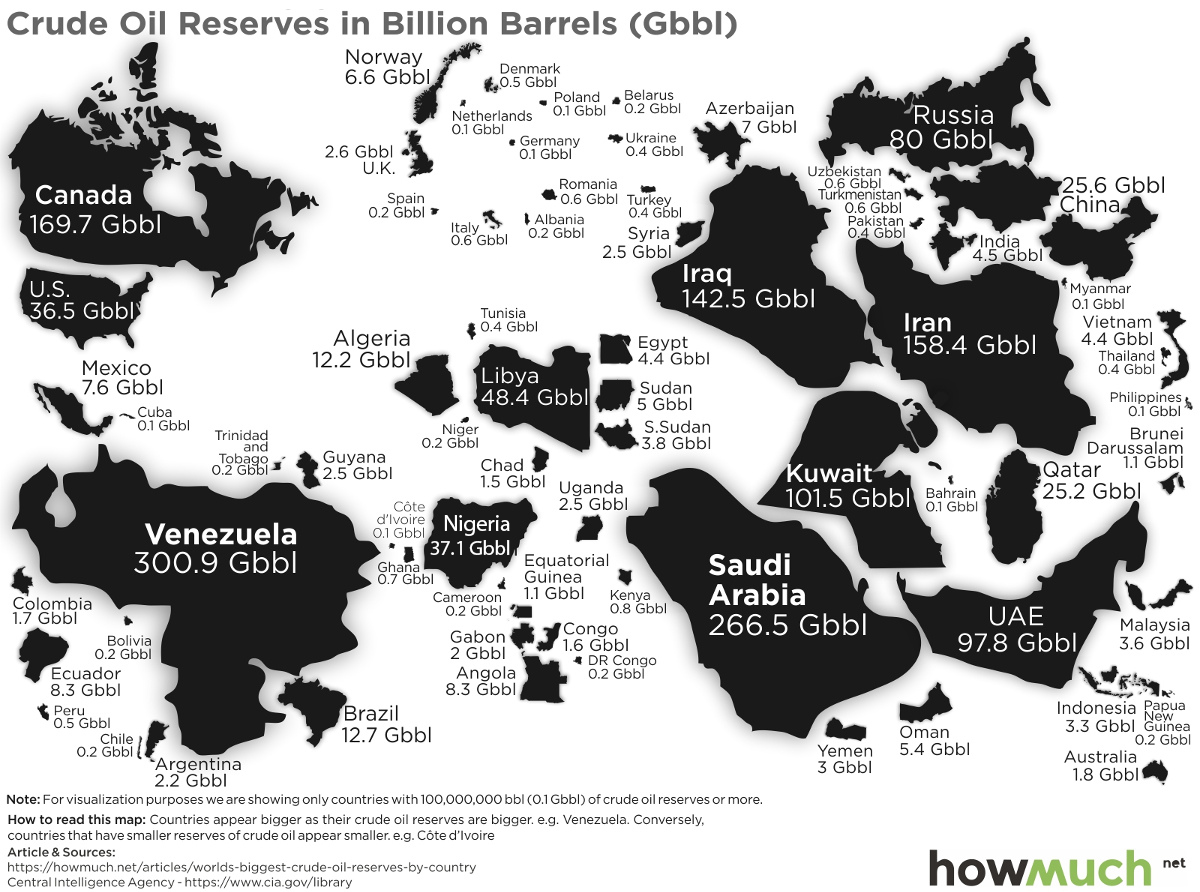
Advanced computing changes the equation by helping companies identify the strongest targets before committing enormous amounts of capital. Think of an old medical scan: new technology won’t change the underlying condition, but it may reveal something previously invisible.
Modern computing systems can compare enormous volumes of geological information, identify relationships that are difficult for humans to recognize, and repeatedly reinterpret the same dataset as analytical methods improve. That turns data from a one-time expense into an asset that can appreciate as computing power advances.
How old exploration records helped find a major copper deposit
KoBold Metals, backed by Bill Gates and Jeff Bezos, uses computational models to analyze geological maps, surveys, drilling results, and other exploration records. The company applied this approach to Zambia’s Copperbelt, which helped it zero in on the Mingomba project, an area that previous generations of mining companies had already studied.
The company is now advancing plans for a mine expected to cost more than $2 billion and eventually produce around 300,000 metric tons of copper per year.
That’s a big deal. S&P Global projects global copper demand will rise from roughly 28 million metric tons in 2025 to about 42 million by 2040, driven by electrification, grid expansion, AI infrastructure, and defense. Without significantly greater investment and production, it estimates supply could fall roughly 10 million metric tons short of demand by 2040.
The world needs more copper discoveries. And that means it needs a more efficient way to find them.
Big Oil has been investing in this advantage for years
TotalEnergies has been using its Pangea supercomputers to improve oil and gas exploration since 2013. By 2019, Pangea III had reached 31.7 petaflops, the equivalent of roughly 170,000 laptops. In 2026 the company announced plans for Pangea 5, expected to enter service in 2027, which will increase its computing power sixfold.
Exxon Mobil is doing something similar. Its Discovery 6 supercomputer is designed to process advanced seismic imaging significantly faster than its previous system, reducing certain jobs from months to weeks, improving well placement, and increasing resource recovery using less capital.
These companies are spending billions to find and produce energy. Even a small improvement in where they drill can have an enormous financial impact. Better interpretation of existing data leads to better billion-dollar decisions.
When better data meets a frontier opportunity
BluEnergies (BLUGF) offers a timely example. The company is working alongside TotalEnergies to evaluate potential drilling targets across three blocks in the Harper Basin, offshore Liberia. A central part of the project involves reprocessing 6,167 square kilometers of 3D seismic information originally collected by TGS in 2013.
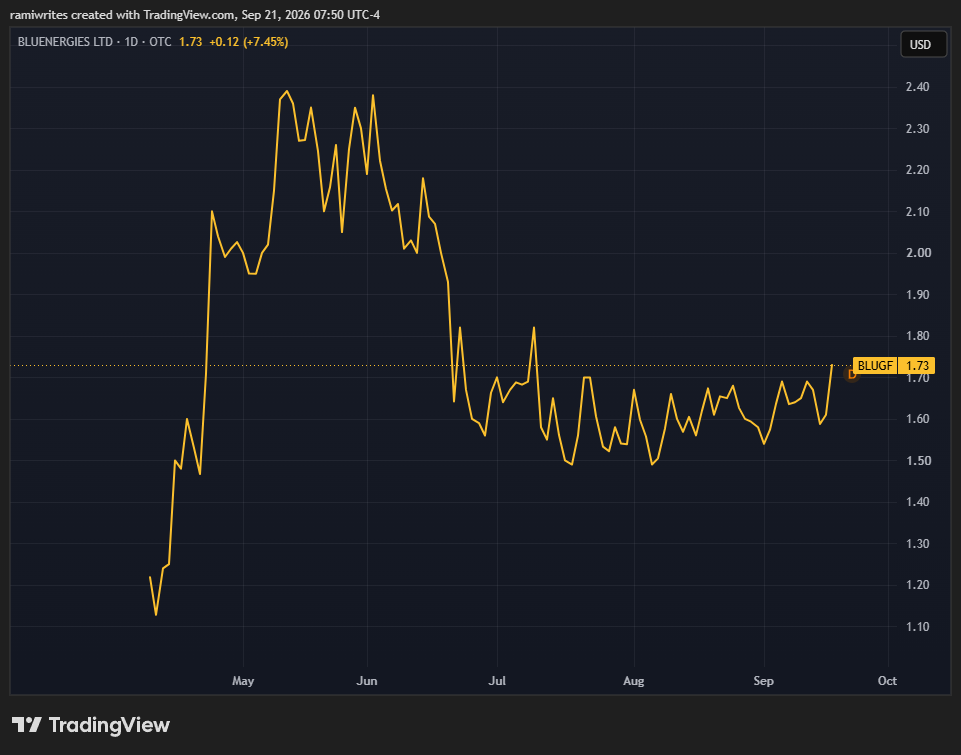
In plain English, they’re combining an older underground map with newer analytical tools and fresh field evidence to decide which targets, if any, justify the enormous cost of drilling. As of the company’s July 6 update, TGS had completed more than half of the reprocessing program.
It’s important to be precise about what that means: BluEnergies has not discovered a producing oilfield. The project remains speculative, and drilling will ultimately determine whether the geological interpretation is correct.
The opportunity Wall Street may be underestimating
AI-powered discovery could spread across dozens of sectors. Mining companies can compare geological records and target drilling more efficiently. Energy companies can reprocess old seismic libraries. Drug developers can screen enormous collections of compounds before moving into expensive laboratory work. Materials scientists can simulate combinations that would be too expensive to test individually.
This changes how investors should think about data: the most valuable database may not be the newest or largest. It may be the one connected to a scarce physical asset where one additional insight could create enormous economic value.
The obvious AI trade has been the infrastructure layer: chipmakers, cloud companies, and data center operators. Those businesses remain essential. But the next wave of opportunity could be identifying which industries, and which overlooked assets, become more valuable because of it.
- Frank Curzio
Advertisement
Always feel one step behind? Here’s your edge…
Frank Curzio spent 30+ years building the research edge and relationships most investors never get near. Now it all lives in one place.
Inside Curzio Alpha, you get:
- Every trend he’s researching
- Every opportunity he’s excited about
- Every position he’s actually taking
No endless upsells. No confusing web of memberships. No missing the big one because you were subscribed to the wrong service.
Just one hub, built to help you invest with more clarity, confidence, and conviction.
Get instant access to Curzio Alpha →
Disclosure: Curzio Research is a paid partner of Future Finance. The forecasts, track record and claims above are the views of Frank Curzio and Curzio Research, and do not represent the view of Future Finance.. As always, do your own diligence.
Final Thought
The scroll sat in a museum drawer for two centuries with the words already inside it. Nothing about it changed this summer except our ability to look.
That’s what the next wave is shaping up to look like. A seismic survey from 2013, a mine map from the 1970s, a scan from last year: the value was always there, priced by what we could read. When the reading improves, the price moves, and it moves first for whoever owns the asset the data describes.
This week the reading improves in other places too. Europe’s ledger settles bonds in central-bank money from this morning, and three auctions tell us what lenders make of the Fed.
Thursday, two presidents decide whether a truce gets a date or a deadline.
See you tomorrow.
Editor in Chief | Future Finance
The Public’s Buying The Robot. The Smart Money’s Buying The Power Cord.
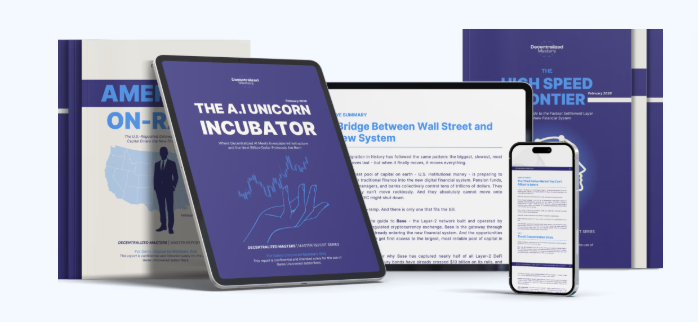
Every investor can name the big AI companies. Far fewer are looking at what makes them run.
The largest gains in a build-out like this often come from the layer underneath the story, the power and the infrastructure most people ignore.
Finding those overlooked plays before the crowd is the whole job of Gems Uncovered.
The crowd buys the headline. The edge is in what powers it.
Disclaimer: This content is not financial advice, it is for informational purposes only. All investments involve inherent risk. Any financial decisions you make are solely your responsibility.
Latest

Editor's Picks
Become a sharper capital allocator in 5 minutes a day.
Institutional-grade research on where the smartest capital is positioning, across AI, energy, biotech, robotics, and digital assets. Distilled into a daily read you finish before your coffee does.
Join 45,000+ readers · No spam · Unsubscribe anytime · No card needed