

Banks got a raise this week. You didn't.
Prime at 7% and savings at 0.64%: two clocks on one hike. Then Doc on the brokerage selling Bitcoin you can’t take home. →
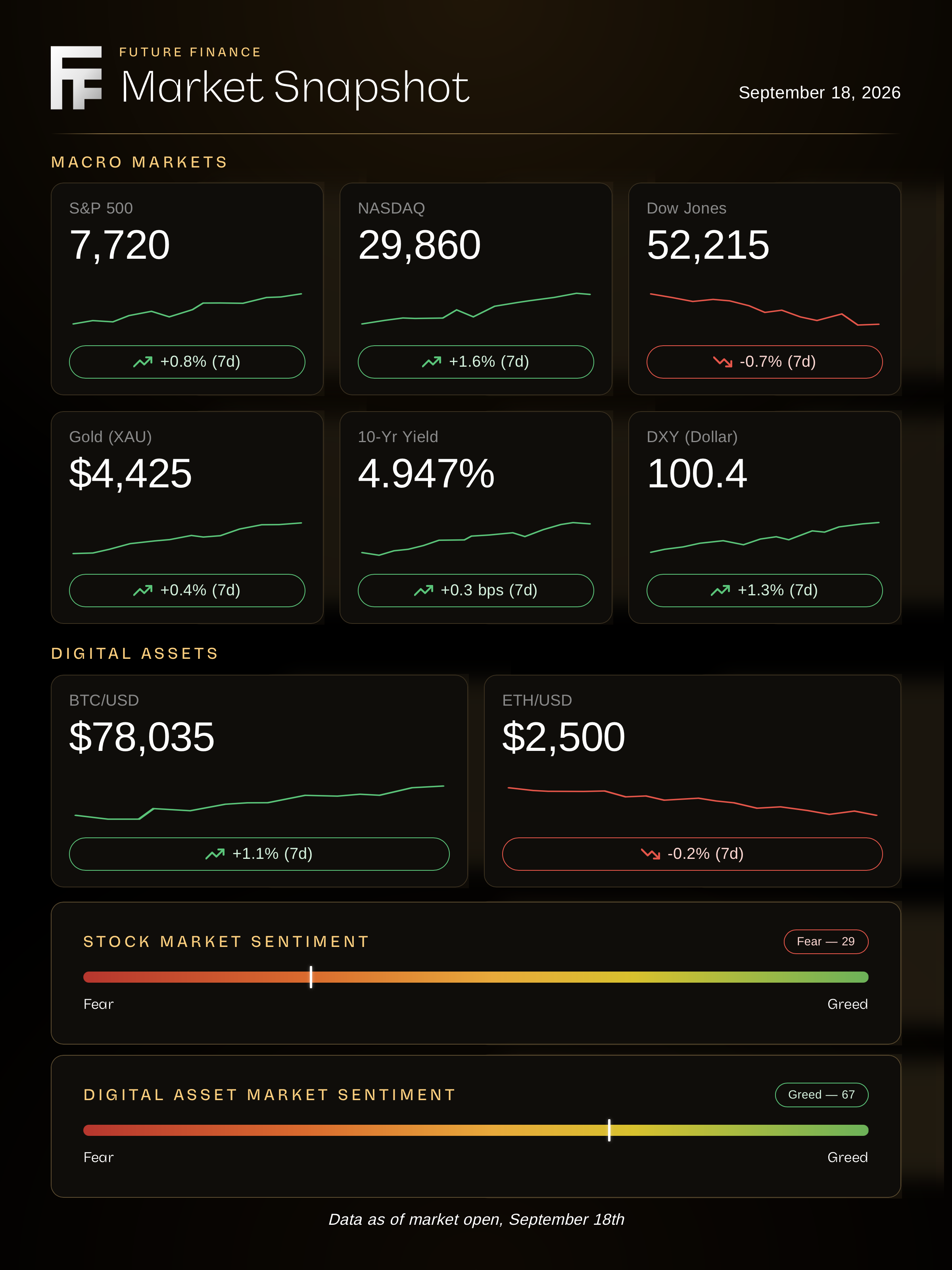
September 18, 2026
·
5 Min Read




The briefing serious investors read first.
Free analysis before markets open. Start thinking in decades, not days.
Join 45,000+ readers · No spam · Unsubscribe anytime · No card needed
Today’s Big Picture
One rate hike sets two clocks running, and they don’t keep the same time.
The first clock is fast.
Wells Fargo, U.S. Bank, JPMorgan, KeyBank, and BNY posted the prime rate at 7.00%, up from 6.75%, effective Wednesday. A credit card tied to a public index is allowed to follow it.
A home-equity line usually catches up within a billing cycle or two. A fixed-rate loan doesn’t move at all.
The second clock is slow. Bankrate’s national savings average was 0.64% a year in a survey dated Wednesday, the day of the hike. Bankers told CNN the same week what every customer already suspects: the big banks are fastest to raise what they charge and slowest to raise what they pay.
Same hike, same day, two speeds. That gap is where yesterday’s Final Thought left off, and it’s the most useful thing a beginner can take from this week.
Today’s guest, Doc, takes the same idea to crypto. A brokerage with 8.6 million customers now sells Bitcoin at a bargain fee, and won’t let you take it home.
Convenience runs on one clock. Ownership runs on another.
Paid Advertisment
Stop Lending Your Bank Money For Free

Your bank pays you close to nothing, then lends that money out at several times the rate and keeps the difference
Battle Bank’s High Yield Cash Account pays 3.35% on cash you can still spend and move. FDIC insured to $250,000 per account holder.
The money was always yours. The yield should be too.
Open a High Yield Cash Account →
Disclosure: Battle Bank is a paid partner of Future Finance. We may receive compensation from Battle Bank if you click on our links and open an account or use certain banking products. This compensation comes at no additional cost to you.
Battle Bank, N.A., Member FDIC. APYs as of 6/16/2026, using ZIP code 32224, and subject to change. Rate comparison as published by Battle Bank.
Signal vs. Noise
A Loud Friday Is the Calendar, Not a Verdict
- The noise: whatever the market does into this afternoon’s close will be read as a judgment on the Fed.
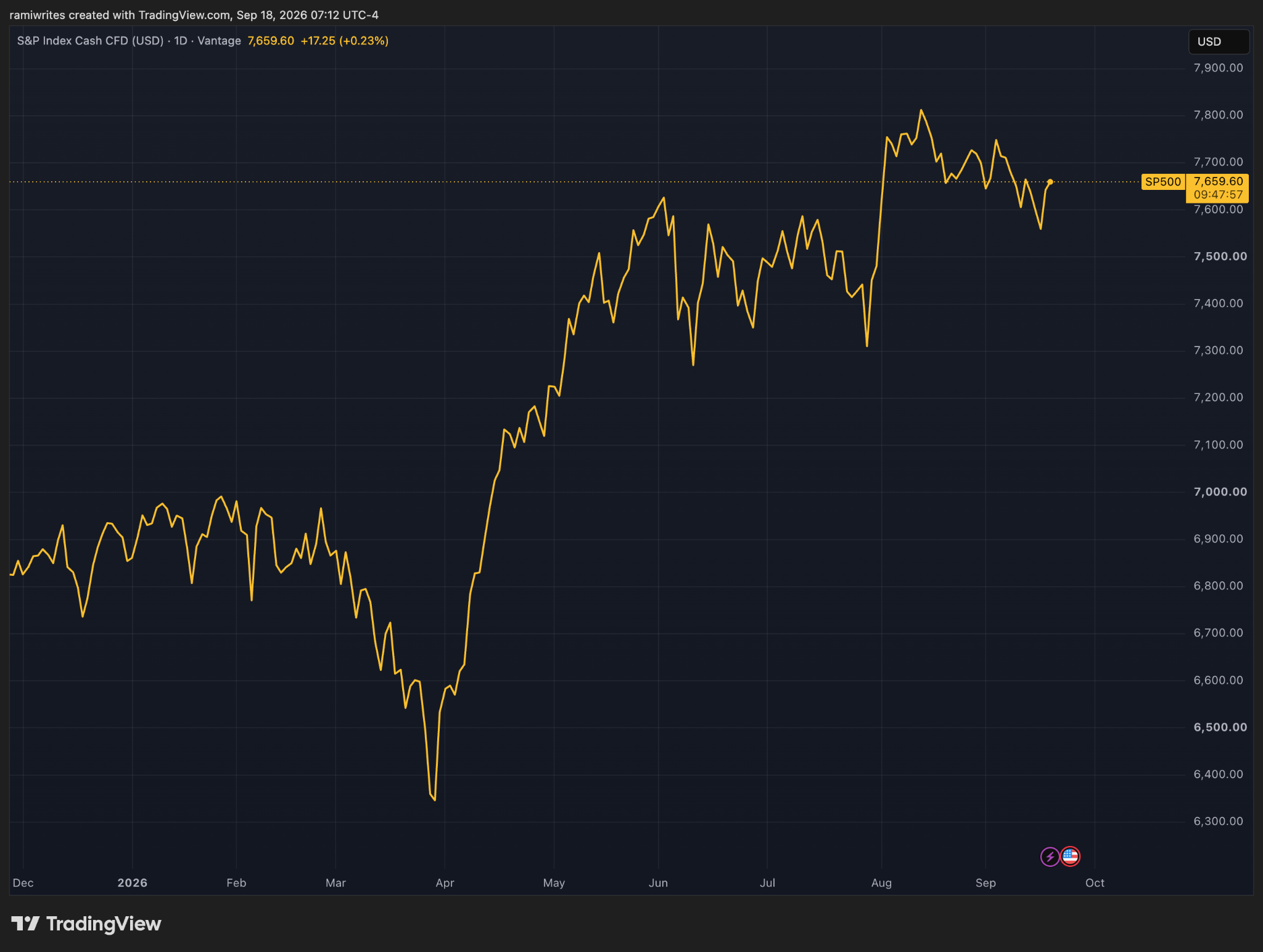
- The signal: today is something called a quadruple witching, the third Friday of the quarter, when index futures, index options, and stock options all expire at once. Volume piles into the last hour by design.
On top of that, the S&P 500 is changing members. Bloom Energy, Illumina, and Everpure join; Molson Coors, The Trade Desk, and Builders FirstSource leave. The changes take effect before Monday’s open, and index funds typically do their buying and selling into today’s close.
So a big swing this afternoon is mostly mechanics. Yesterday’s move was the one with information in it: the S&P rose 1.1% to 7,637.76, its best day in six weeks, as the 10-year yield eased to 4.93% and Brent slipped to $104.82 on word the Saudi pipeline could restart within days.
Japan Just Hiked to a 30-Year High
- The noise: a quarter-point move in Tokyo, easy to miss under the Fed.
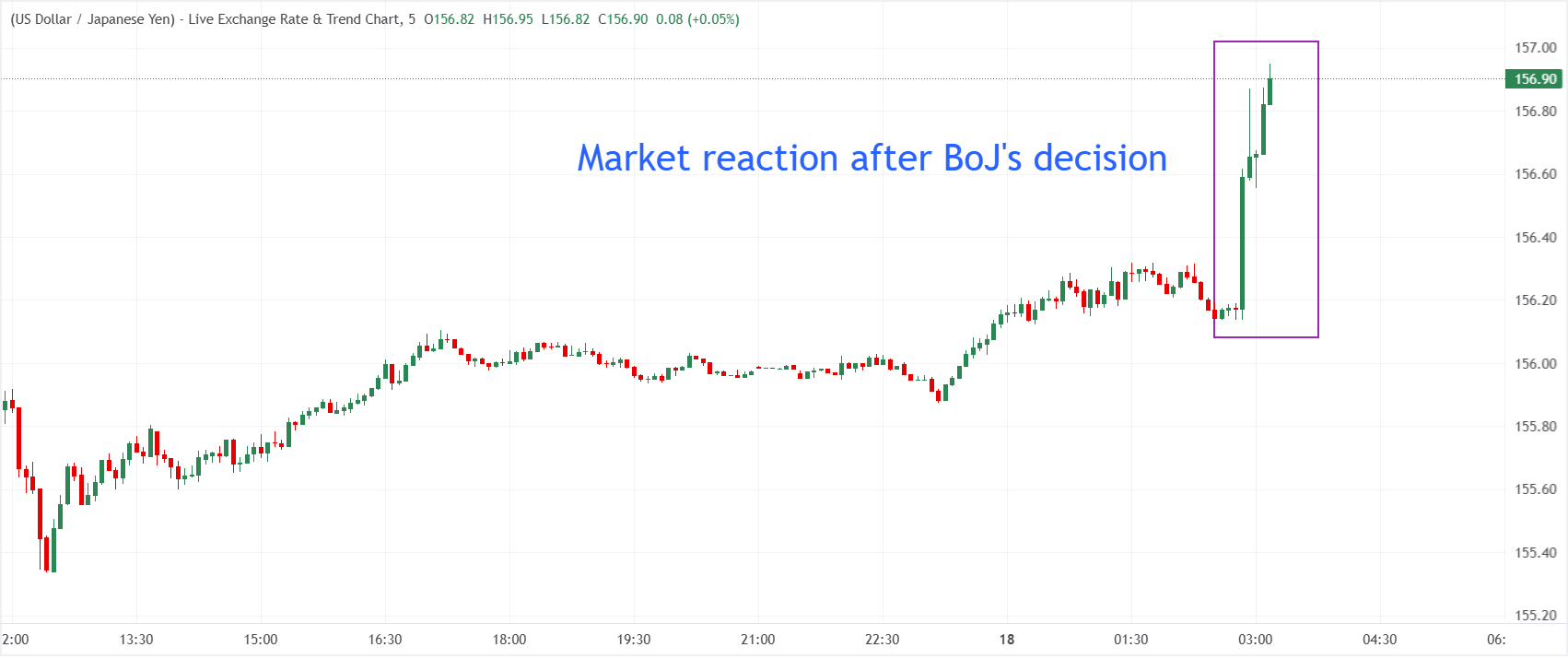
- The signal: the Bank of Japan raised its rate to 1.25% overnight, the highest since 1995, on a 7-2 vote, and left the door open to more. The yen strengthened and Japanese bond yields climbed.
Why it reaches you: Japan is the largest foreign holder of U.S. Treasuries, and higher yields at home give its investors less reason to buy ours. Two central banks tightened in the same week while oil sits above $100. That’s the backdrop for the next dated checkpoint, the August inflation reading the Fed prefers, due September 30.
The Crypto Rulebook That Was Already Open
- The noise: “the SEC rushed out new crypto rules after the Senate vote failed.”
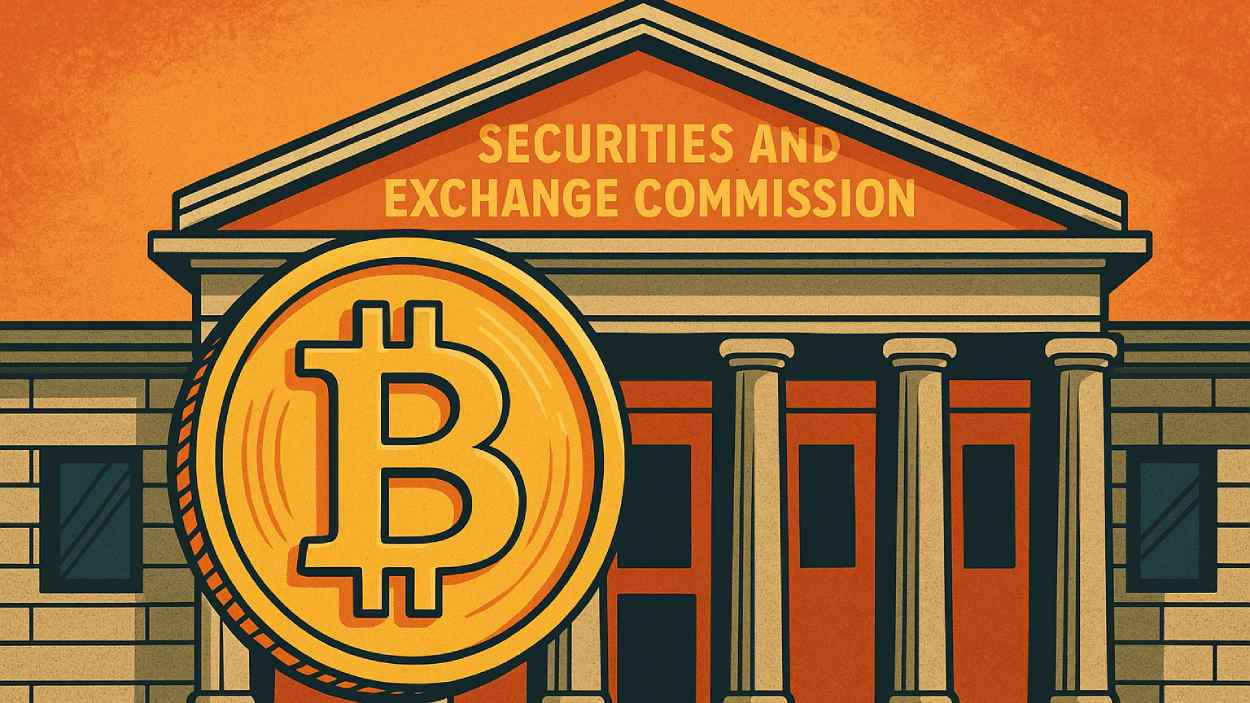
- The signal: the file was open a month before. The SEC proposed “Regulation Crypto Assets” on August 18, with comments due October 20. It’s a proposal about raising money, two exemptions for token offerings, up to $5 million over four years and up to $75 million a year, with fraud rules still attached.
It says nothing about who holds your coins.
That’s the gap Monday’s vote left. The bill that failed at the procedural stage, 49 to 50, carried a section protecting the right to hold your own crypto in your own wallet. It never became law, and no federal rule replaces it.
That’s the ground Doc’s piece stands on.
Featured Contributor

Today’s guest is The DeFi Doctor, owner and author of Beat Banks, a twice-weekly intelligence briefing on where real yield opportunities exist in decentralized finance.
They Sold You Bitcoin. Read Who Keeps It.
This summer, a brokerage with 8.6 million customers started selling something it won’t let you take home.
E*TRADE finished rolling out Bitcoin, Ether, and Solana trading in July, at a fee of half a percent, cheaper than Coinbase or Robinhood. Ten dollars gets you in. It’s the easiest on-ramp a big bank has ever built.
But read the paperwork.
The coins don’t sit in your brokerage account. They sit in a separate account at a firm called Zero Hash, and E*TRADE’s own disclosure says those assets “are not deposits” and carry no FDIC or SIPC protection.
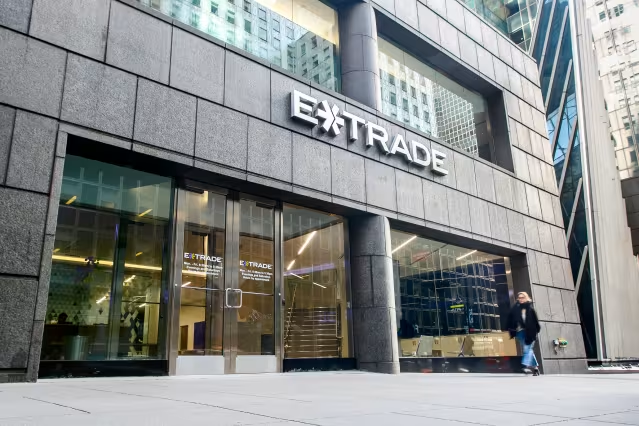
You can buy, sell, and hold. You cannot move them anywhere. “Transfer functionality is expected to launch later this year.”
You own the exposure. Someone else owns the keys. Fidelity let customers withdraw to their own wallets last year. Robinhood has since 2022, after paying $3.9 million to settle a case over the years it didn’t.
E*TRADE launched in 2026 with the narrowest terms of the three.
What the slogan means
“Not your keys, not your coins” gets repeated so often it sounds like a bumper sticker. Read it instead as a legal statement.
When a custodian holds your crypto, you hold a claim on the custodian. Celsius and FTX taught a few million people what that claim is worth when the custodian fails: you become an unsecured creditor, standing in a line, waiting on a fraction.
The exchange-traded funds have a quieter version of the same structure. Roughly 80% of the Bitcoin held by U.S. spot ETFs sits at one custodian, Coinbase, which serves nine of the twelve funds. Safe wrapper, single point of failure.
The other side of the ledger
Now for the part the slogan crowd skips. Holding your own keys removes one risk and hands you another.
Chainalysis estimates about 3.7 million Bitcoin, close to a fifth of everything mined, is lost for good, mostly to forgotten passwords and discarded drives. This summer an exploit in a popular hardware wallet drained more than $100 million, over a thousand addresses emptied in 41 minutes.
So the honest trade is this. A custodian carries the risk of its own bankruptcy. You carry the risk of your own carelessness.
Neither is zero. Pick the one you can manage, and be truthful about which that is.
The net is thinner than you think
The one federal bill with a written right to self-custody died on Monday, at the procedural stage, over ethics language that had nothing to do with wallets. What’s left is patchwork: a Kentucky law, a stablecoin statute that leaves peer-to-peer transfers alone, and an SEC proposal about raising money that never mentions custody.
That won’t last forever. It’s the situation this week, and it’s why the paperwork matters more than the fee.
What I’d tell a beginner
Convenience gets you in. That’s fine, and for a first purchase it’s the right door.
Then learn the mechanics on an amount you could afford to lose entirely. Move a small piece to a wallet you control, write the recovery phrase on paper, put it somewhere a flood won’t reach, and test that you can bring the coins back. Only then decide how much belongs in your hands and how much belongs in someone else’s.
That’s the work I do twice a week in Beat Banks: how to custody your own assets and use this system safely, with no middleman holding the door. The brokerages will keep making it easier to buy. Making it yours is still on you. You can join Beat Banks right here…
- The DeFi Doctor
Author, Beat Banks
They Gave You Bitcoin. They Kept the Keys.
E*TRADE just made buying Bitcoin as easy as buying a stock. But read the fine print: you can’t move it, you don’t hold the keys, and until later this year it isn’t really yours to control.
That last step, real ownership, is the whole point of Beat Banks, The DeFi Doctor’s twice-weekly research letter on becoming your own bank. It’s where he shows you how to custody your own assets and use this system safely, with no middleman holding the door.
Convenience gets you in. Self-custody makes it yours.
See what Doc’s building inside Beat Banks…
Final Thought
Two clocks, one hike. The rate you owe caught up this week. The rate you’re owed is still checking its watch.
There’s a quiet lesson in that for anyone carrying a balance: the surest return available this month is the interest you stop paying, and it just went up. And for anyone holding cash, the 0.64% average is a national figure, not a law. Better exists for those who look.
The next dated checkpoint is September 30, the inflation reading the Fed prefers. The next set of Fed forecasts comes in December. Everything between is noise with a schedule.
Tomorrow, the week in review. See you then.
Editor in Chief | Future Finance
The Headline Is Where The Story Ends. The Research Is Where It Starts.
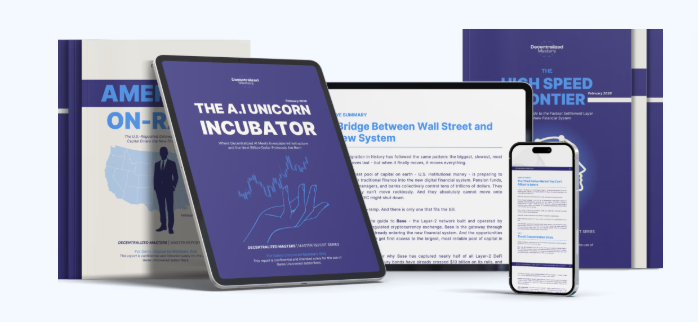
Every month, millions of people read one inflation number and think they understand the market.
You already know it is more complicated than that.
The real edge is one level beneath the headline, in the assets and setups most people never see until they have already moved.
That is the whole job of Gems Uncovered, our research on the early opportunities ahead of the crowd.
The headline is where the crowd stops looking. That is where the work begins.
See how it works right here…
Disclaimer: This content is not financial advice, it is for informational purposes only. All investments involve inherent risk. Any financial decisions you make are solely your responsibility.
Latest




Editor's Picks


Become a sharper capital allocator in 5 minutes a day.
Institutional-grade research on where the smartest capital is positioning, across AI, energy, biotech, robotics, and digital assets. Distilled into a daily read you finish before your coffee does.
Join 45,000+ readers · No spam · Unsubscribe anytime · No card needed