

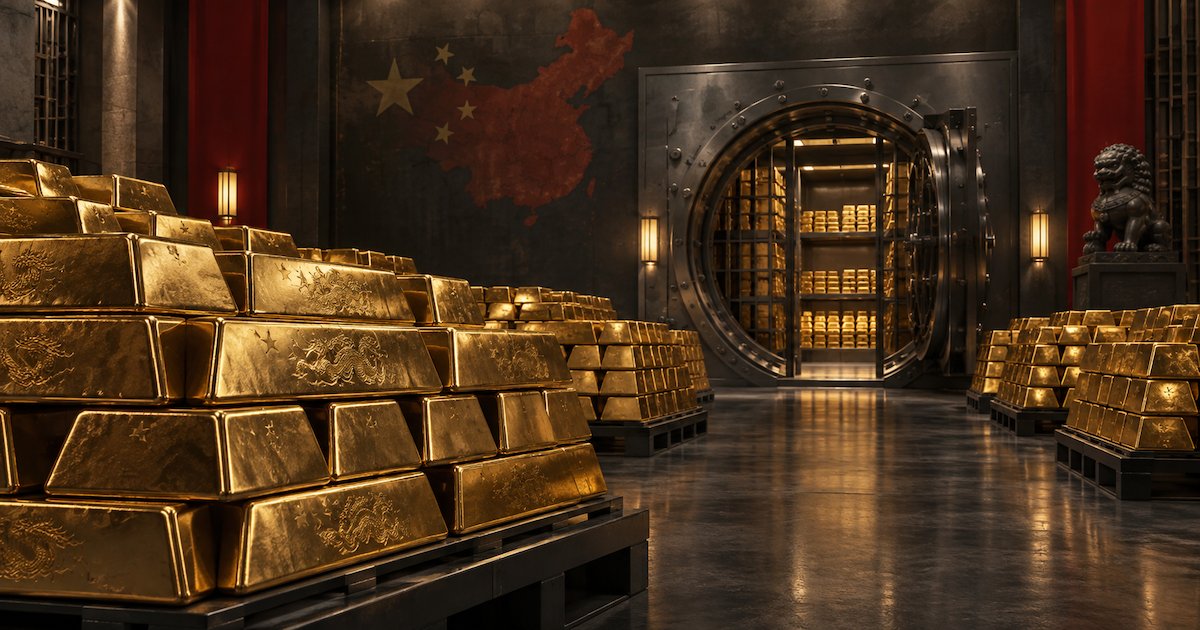
Beijing is buying gold for ONE reason…
A unanimous hike, 16 of 18 wanting another, and a 30-minute press conference. Then Rickards on why China is hoarding gold. →
September 17, 2026
·
5 Min Read



The briefing serious investors read first.
Free analysis before markets open. Start thinking in decades, not days.
Join 45,000+ readers · No spam · Unsubscribe anytime · No card needed
Today’s Big Picture
Yesterday Tan gave you four sentences to read instead of the number.
Here’s how they shaped up.
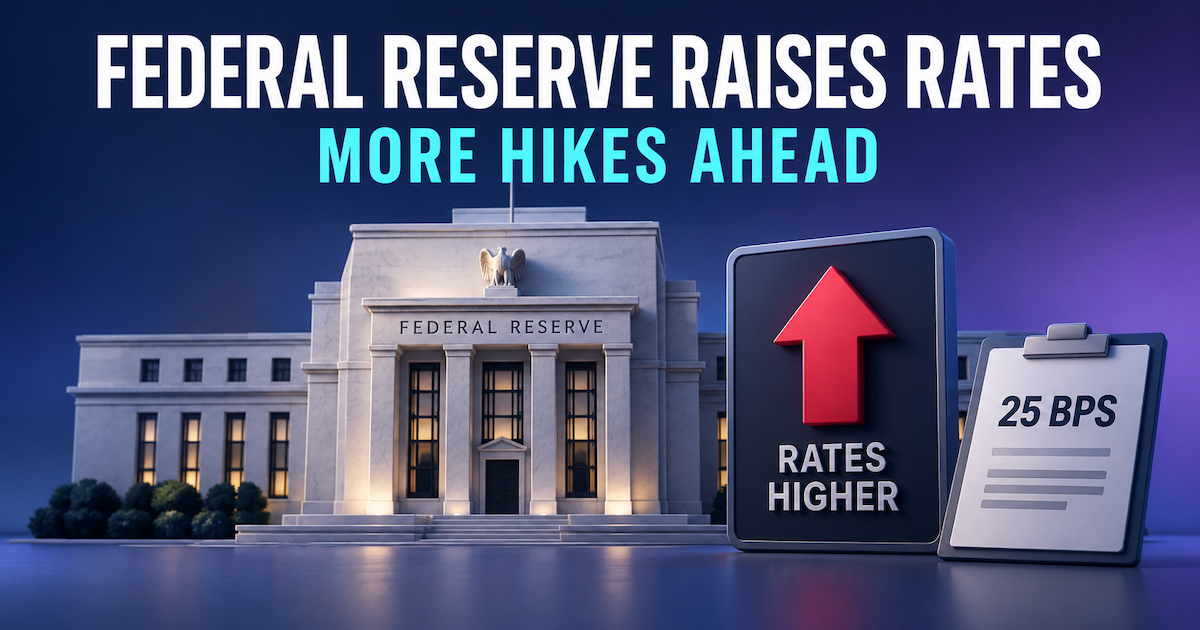
- The vote: 12 to 0. The committee that split three ways in July hiked without a single objection. More unified, and more resolute, than anyone expected.
- The December dot: a median of 4.1% for the end of this year and next, with 16 of 18 officials penciling in at least one more hike. That reads as higher for longer, with no cuts in sight.
- The buyback question: asked, and not answered. Warsh steered to growth and geopolitics.
- The clock: about 30 minutes, the shortest press conference in the Fed’s history of holding them.
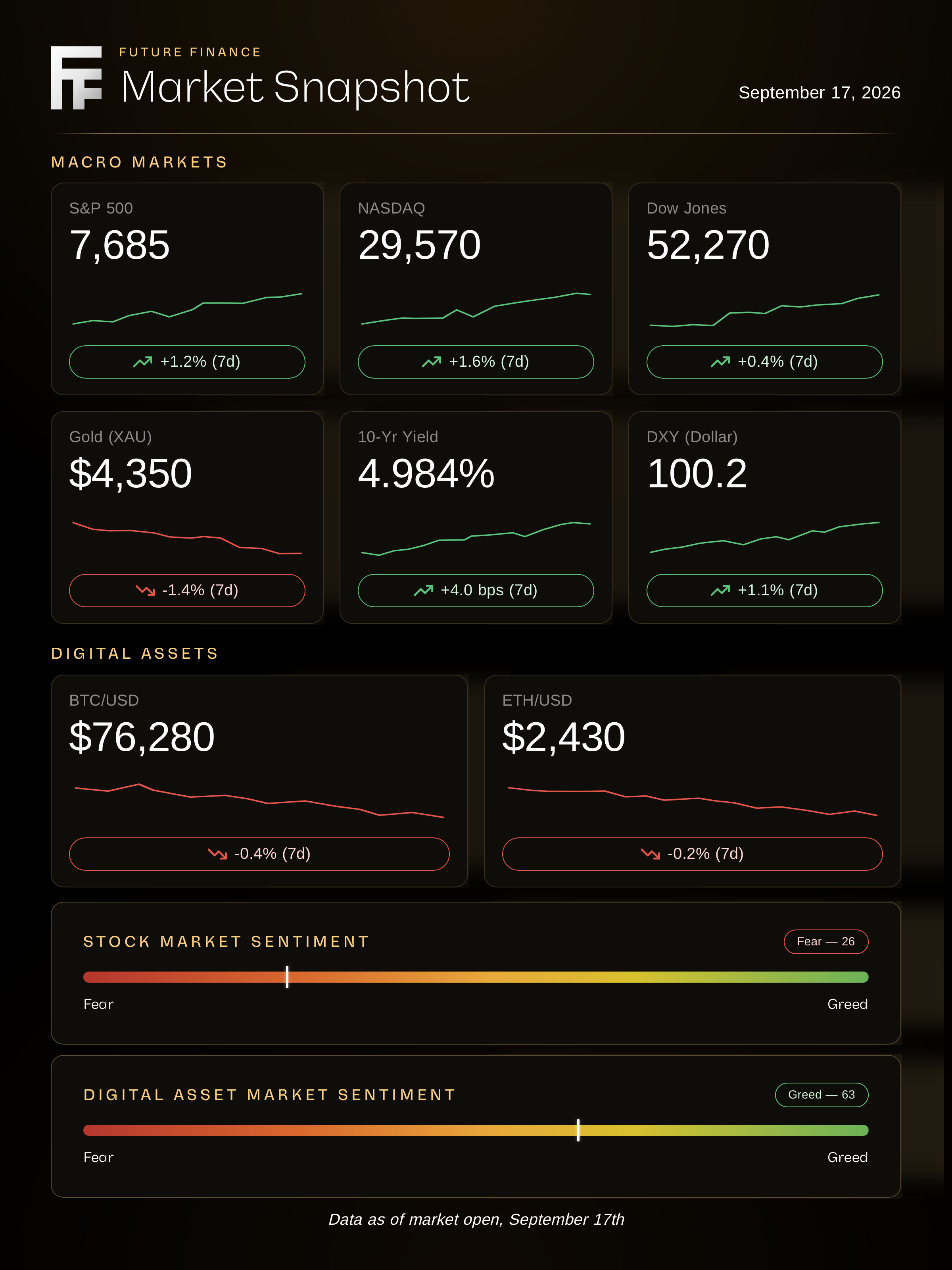
Three of four broke hawkish or uncertain, and the market graded accordingly. The Dow fell 631 points, the dollar hit its highest since July, the 10-year held 5%, and this morning the prime rate is 7.00%.
The first hike is rarely the story.
Yesterday the Fed said the second one is coming.
Today’s guest, Jim Rickards, explains what one government is doing about a dollar that gets defended this hard: buying gold, and building the plumbing to use it.
Paid Advertisment
The Treasury Values Its Gold At $42.22 An Ounce.
Government debt is approaching $40 trillion. Washington spends roughly $2 trillion more each year than it takes in. There has not been a complete independent physical audit of Fort Knox for many decades.
Doug Casey warns that confidence can blow away like a pile of feathers in a hurricane.
See what he and David Stockman recommend →
Disclosure: International Man is a paid partner of Future Finance. The forecasts, track record and claims above are the views of Doug Casey, David Stockman and International Man, and do not represent the view of Future Finance. As always, do your own diligence.
Signal vs. Noise
Two Arms of the Government, Still Pulling Apart
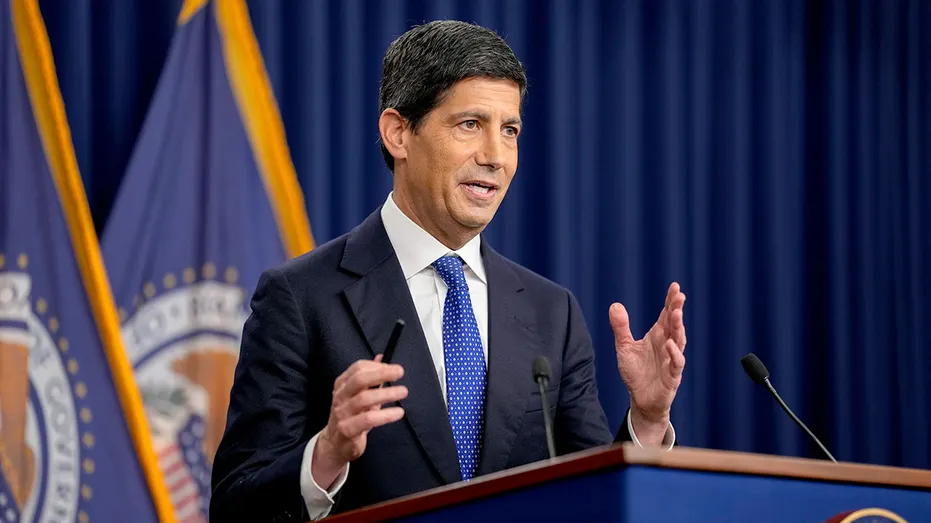
- The noise: “Warsh didn’t take the bait on the buyback question.”
- The signal: the silence is the answer. The Fed spent yesterday removing what Warsh called “a dose of accommodation” to slow inflation. The Treasury spent last week buying back its own long bonds to hold yields down.
Nobody in charge will say the two are working against each other, so the bond market says it for them.
The gap between 2-year and 10-year yields narrowed to about 30 basis points, the flattest since July. That’s the market’s way of saying the Fed will succeed in slowing the economy. Banks had their worst day since February, with Goldman Sachs down 4%, for the same reason.
For your wallet: the 10-year eased to 4.96% this morning, which is where your mortgage quote comes from. Whether it stays there depends on which arm wins.
The Crypto Bill Is Dead. The Regulators Aren’t.

- The noise: “Crypto regulation is over for the year.”
- The signal: the bill died; the oversight didn’t. Within a day of the 49 to 50 vote, the CFTC chairman said the agency would pursue the same goals “using its existing statutory authorities,” and the SEC’s own crypto rulebook stays open for comment until October 20. The rules get written case by case, agency by agency, until Congress returns to it, likely after the midterms.
Bitcoin traded near $76,000 this morning, below the $77,000 it held into the vote. For a beginner, the lesson is that a failed bill removes clarity without removing oversight.
“Don’t Broaden Out”: The 2008 Test Begins
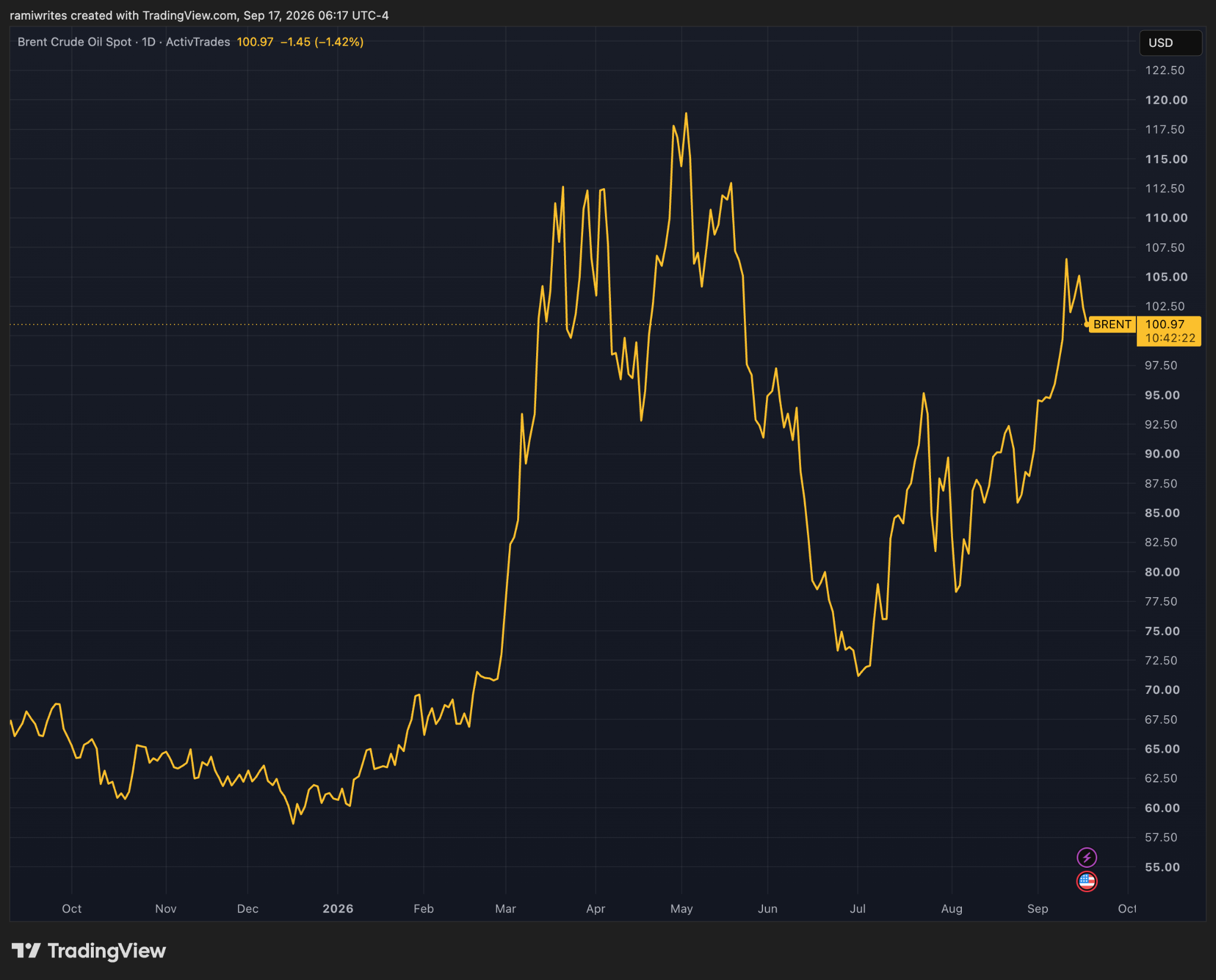
- The noise: “The Fed hiked into an oil shock, so it’s 2008 all over again.”
- The signal: Tan’s test yesterday was whether Warsh sounded like a central banker fighting the last war. His actual words: the Fed can’t affect the price of oil or groceries, but it will “ensure that any change in relative prices don’t broaden out.” That’s a bank hiking against second-round effects, with its eyes open.
And the demand side gave it cover. August retail sales rose 1.2%, the most in five months, and the core measure economists watch jumped 1.4%, its strongest since 2024. A consumer spending like that gives the Fed room to lean.
The test runs for months. The pattern turns from 2026 into 2008 only if energy prices leak into everything else while growth stalls. The next inflation report is the first checkpoint.
Paid Advertisment
Stop Lending Your Bank Money For Free
Your bank pays you close to nothing, then lends that money out at several times the rate and keeps the difference
Battle Bank’s High Yield Cash Account pays 3.35% on cash you can still spend and move. FDIC insured to $250,000 per account holder.
The money was always yours. The yield should be too.
Open a High Yield Cash Account →
Disclosure: Battle Bank is a paid partner of Future Finance. We may receive compensation from Battle Bank if you click on our links and open an account or use certain banking products. This compensation comes at no additional cost to you.
Battle Bank, N.A., Member FDIC. APYs as of 6/16/2026, using ZIP code 32224, and subject to change. Rate comparison as published by Battle Bank.
Featured Contributor
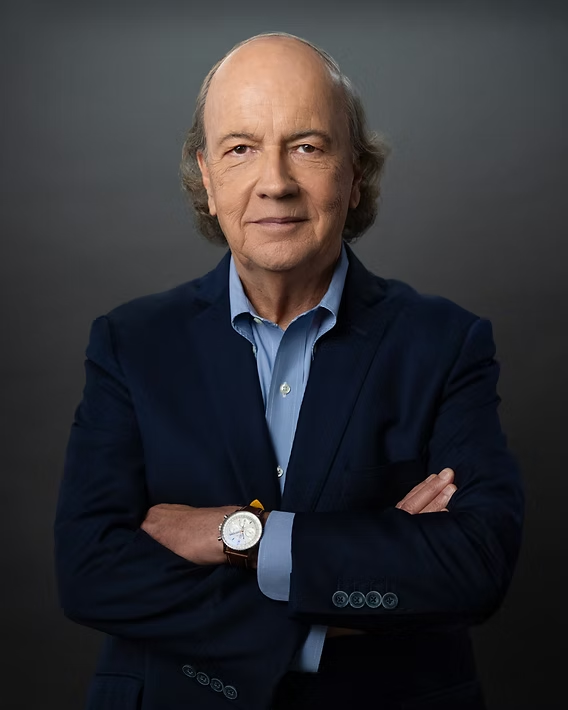
Today’s guest is Jim Rickards, whose case that the dollar is being diluted rather than dying ran here on Aug 31. Rickards has contributed as an advisor on capital markets to the U.S. intelligence community and at the Office of the Secretary of Defense in the Pentagon. He’s the author of four NYT Bestsellers.
Beijing Preps for Currency Wars
The fact that China has a large quantity of gold in its official reserve position is not news. China’s gold reserves have been rising substantially since 2009.
At that time, China’s official gold reserves were 1,054 metric tonnes. Today, those reserves stand at approximately 2,366 mt, an increase of about 124%. But that does not tell the whole story.
The official reserves are reported by the People’s Bank of China (PBOC). But China may also hold gold through other state entities, including the State Administration of Foreign Exchange. China is non-transparent about the full extent of its gold holdings.
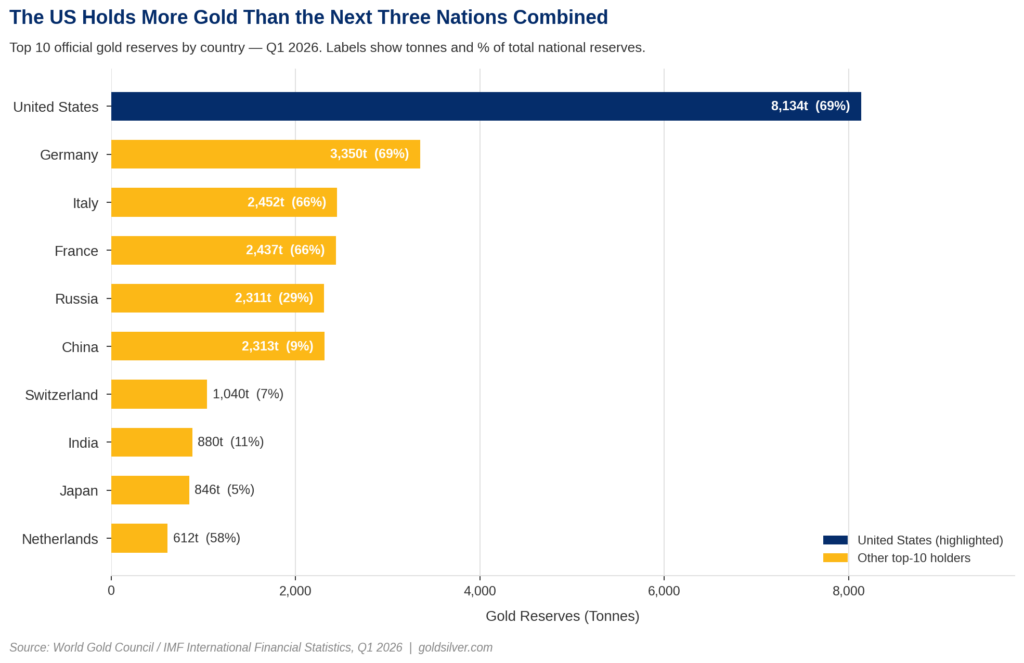
One estimate is that the amount of “hidden gold” held by Chinese state entities is approximately the same as the amount reported publicly by the PBOC. If that estimate is correct, total Chinese gold reserves would be about 4,700 mt, or roughly 58% of U.S. gold reserves of 8,133 mt. That would make China the second-largest sovereign gold holder in the world after the U.S. Still, caution is warranted.
Private holdings sit on top of all that. An estimate of perhaps 10,000 metric tonnes held by Chinese citizens seems reasonable, although it cannot be verified precisely. By any measure, China is a gold powerhouse. But what is China doing with its gold?
The Gold-Backed Yuan Is a Chimera
One thing that is not happening is the creation of a gold-backed Chinese yuan. China may have an enormous amount of gold, but China has an even larger money supply than the U.S. and an enormous debt burden once provincial debt issuance is taken into account.
Traditionally, gold holdings must be between 20% and 40% of the money supply to engender trust in a gold-backed currency system. China’s reported gold holdings are in the low single digits as a percentage of money supply. In my view, there will be no gold-backed yuan for the foreseeable future.
The idea that the Chinese yuan, whether gold-backed or not, can replace the U.S. dollar as the global reserve currency is also nonsense. You cannot be considered a major reserve currency unless you have financial markets large enough to absorb global official savings, with a range of maturities, regular auctions, hedging instruments, a large pool of institutional buyers and, above all, a strong rule of law.
The latest IMF data show that the U.S. dollar accounts for about 57% of global foreign exchange reserves. The euro accounts for about 20%. The Chinese share is about 2%.
If a gold-backed yuan is a chimera and the yuan as a dominant reserve currency is a nonstarter, why is China buying so much gold? What is the real plan?
Follow the Gold, Not the Yuan
Major Chinese banks have recently moved to suspend or restrict individual trading in precious metals linked to the Shanghai Gold Exchange. The restrictions do not prohibit physical gold purchases. In effect, China is curbing retail “paper gold” trading while allowing accumulation of physical gold.
Hong Kong also launched a new central clearing and settlement system for gold in July 2026. This arrangement gives China greater flexibility to develop gold trading and settlement outside the traditional dollar-dominated system.
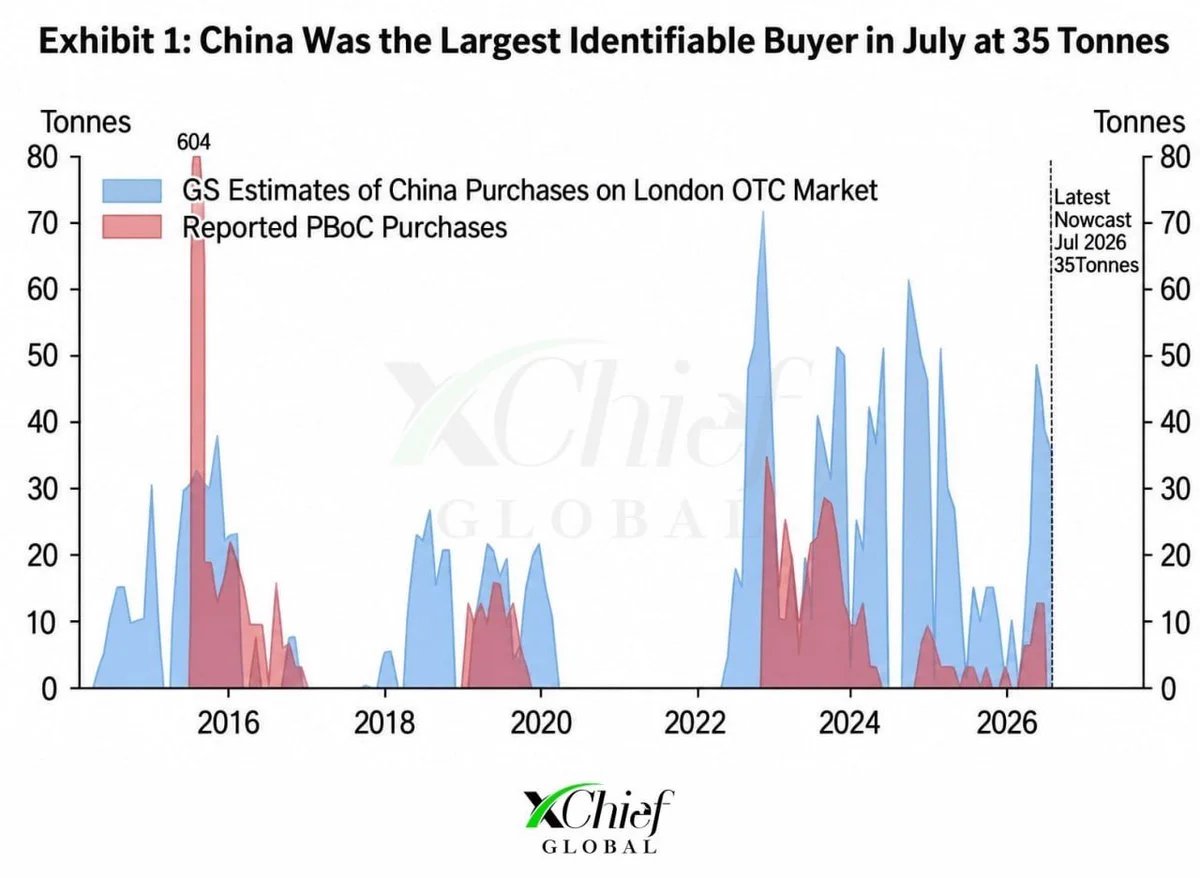
China also changed its insurance regulations to allow ten major insurance companies to invest in gold, with exposure capped at 1% of total assets. Given the size of the Chinese insurance market, even 1% represents a potentially major increase in demand. And Hong Kong is expanding its physical storage capacity, with a target of over 2,000 metric tonnes within three years.
China’s Golden Escape Hatch
Taken together, these measures show that China, already the largest gold producer in the world, is building more than a massive gold reserve. It is positioning itself as a global gold trading center, with infrastructure for investment, retail accumulation, hedging, imports, settlement, clearing and storage.
China is not troubled by the decline in the dollar price of gold between January 2026 and today. The reason is that China is in acquisition mode. Any buyer accumulating gold favors a lower price for the time being because it means getting more gold for every dollar spent. Whoever has the most gold when the price spikes is the biggest winner.
China is looking ahead to the day when a confrontation with the United States could force it to separate from the dollar payments system entirely in order to avoid asset freezes and financial sanctions. Chinese policymakers are watching the financial sanctions that the U.S. is imposing on Russia and Iran and drawing the appropriate lessons.
China’s solution to geopolitical chaos and financial warfare is to buy physical gold. Investors in the U.S. are well advised to take the same approach.
- Jim Rickards
Daily Reckoning
The $1 TRILLION Gold Shock Rickards Says Is Coming Sept. 30
Gold ran to a record earlier this year, then pulled back hard. Jim Rickards, who many call America’s #1 gold expert, says the bigger move is still in front of us.
He points to September 30, 2026 as the date a major shock hits the gold market, tied to what he describes as a Trump-administration gold initiative he believes could unlock up to $1 trillion in gold over the coming year.
He’s just released one of his favorite gold plays, a single ticker, 100% free.
See Rickards’ free gold play here →
Disclosure: Paradigm Press is a paid partner of Future Finance. The forecasts and claims above are James Rickards’ and Paradigm’s, not Future Finance research or advice. As always, do your own diligence.
Final Thought
By breakfast today, the rate on your credit card had already moved.
The prime rate went to 7.00% overnight, and every card and home-equity line priced off it followed within hours.
Your savings account will take its time. The big banks historically pass along a fraction of a hike to depositors, sometimes a fifth of it, while online banks pass along most. Same Fed, same day, different door.
And the digital dollar the largest banks announced this month is barred by law from paying you anything at all. Rickards’ China is solving a version of the same problem with gold. Most readers will solve it with a decision about where their cash sits.
Tomorrow is quadruple witching, the quarterly expiration that makes Friday afternoons loud. See you soon.
Editor in Chief | Future Finance
One Subscription. The Entire Gems Uncovered Research Library.
You just read why the surface of the news rarely tells the whole story.
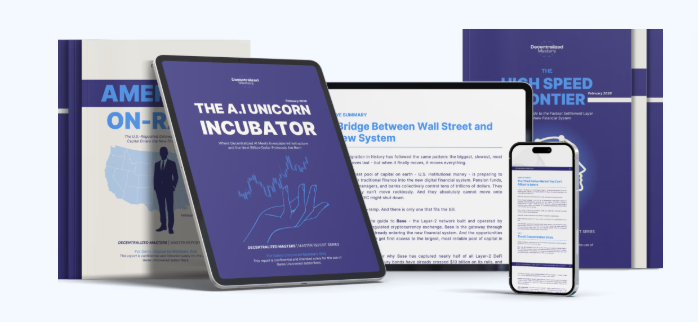
Gems Uncovered is built on that same principle. It’s our weekly research briefing on early-stage assets and native market access, the opportunities that build real wealth before they ever reach a mainstream exchange.
One level beneath the headlines is where the edge lives.
Disclaimer: This content is not financial advice, it is for informational purposes only. All investments involve inherent risk. Any financial decisions you make are solely your responsibility.
The briefing serious investors read first.
Free analysis before markets open. Start thinking in decades, not days.
Join 45,000+ readers · No spam · Unsubscribe anytime · No card needed
Disclaimer: This content is not financial advice, it is for informational purposes only. All investments involve inherent risk. Any financial decisions you make are solely your responsibility.

Editor's Picks


Become a sharper capital allocator in 5 minutes a day.
Institutional-grade research on where the smartest capital is positioning, across AI, energy, biotech, robotics, and digital assets. Distilled into a daily read you finish before your coffee does.
Join 45,000+ readers · No spam · Unsubscribe anytime · No card needed