

Saudi Arabia shut its last pipe. Stocks rose…
4% of the world’s oil went offline Friday and the S&P rose. The AI build-out is the shock absorber. Frank Curzio on who funds it at a 5% ten-year.
September 14, 2026
·
5 Min Read



The briefing serious investors read first.
Free analysis before markets open. Start thinking in decades, not days.
Join 45,000+ readers · No spam · Unsubscribe anytime
Today’s Big Picture
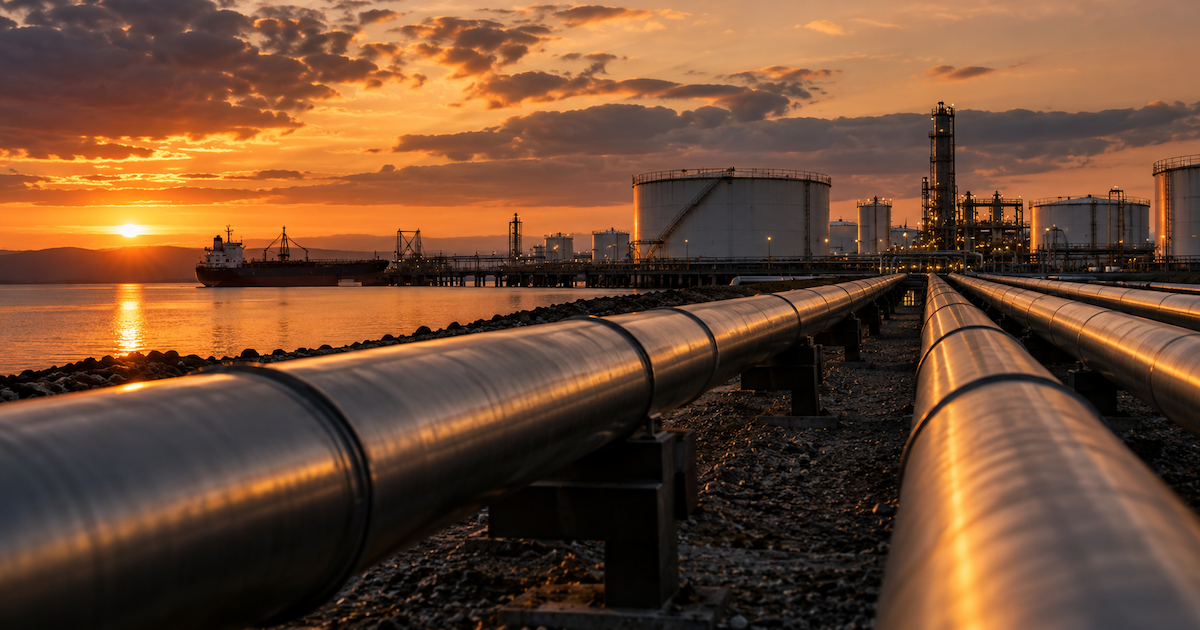
On Friday, Saudi Arabia shut the last pipeline carrying its oil to the sea, and the S&P 500 went up.
Drones launched from Iraq hit the East-West line on Thursday.
With the Strait of Hormuz closed since March, that pipeline was the kingdom’s remaining way out. Roughly 4 to 5% of the world’s oil supply is now offline, on top of Saudi exports that had already fallen to a nine-year low.
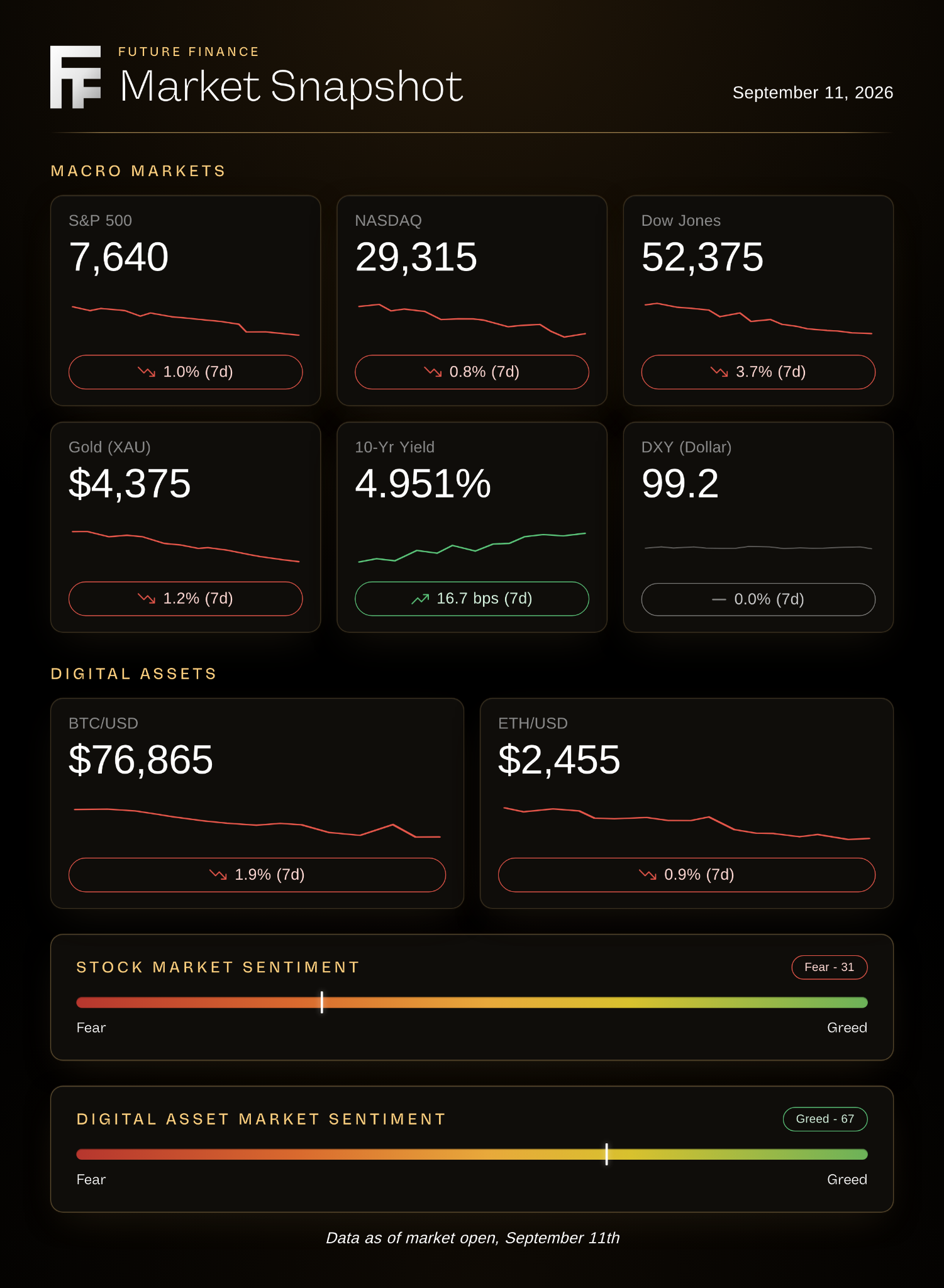
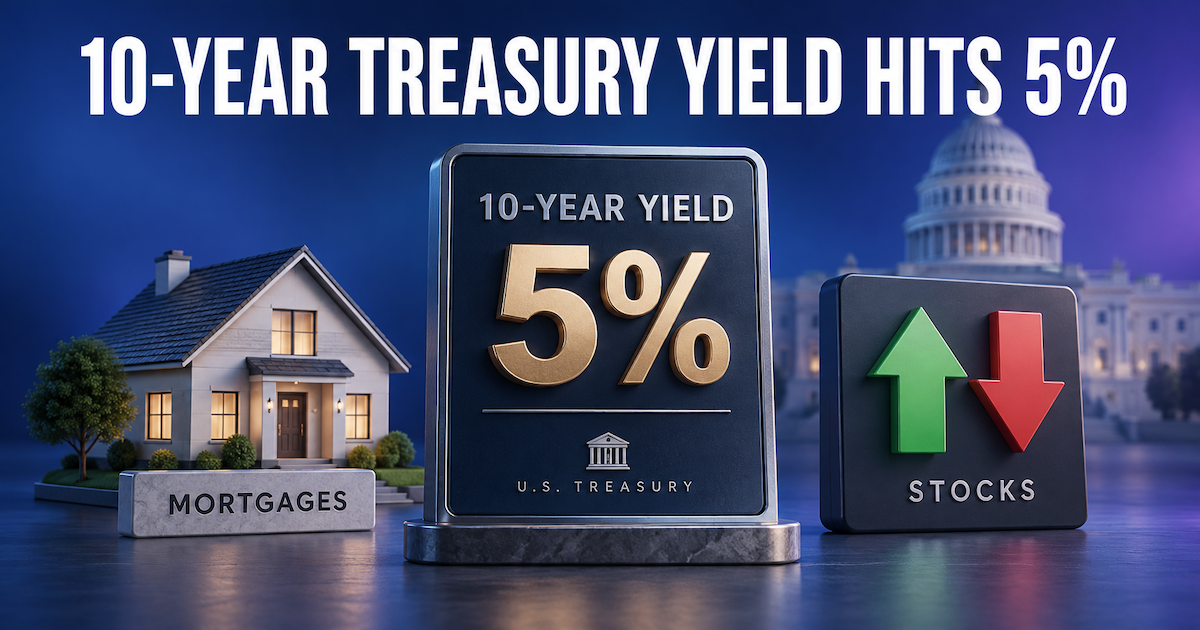
Gasoline is up 27% from a year ago. The 10-year Treasury yield sits near 4.95%, a high for this cycle. That combination usually breaks a stock market.
It didn’t. The S&P rose 0.86% Friday and sits near its record.
The AI build-out is absorbing the shock. Dell booked $60.9 billion of AI orders in a quarter and Oracle’s backlog reached $664 billion.
The five largest tech companies will spend close to $1.3 trillion next year, and that spending is holding up earnings across the economy while oil and rates do their damage.
Which raises the question today’s guest, Frank Curzio, puts plainly: who pays for that build-out, and at what interest rate?
His piece is below, and it’s the one to read before the Fed meets Wednesday.
Signal vs. Noise
Saudi Arabia’s Last Pipe

- The noise: “Oil fell on Friday.”
- The signal: the East-West pipeline runs 1,200 kilometers from the eastern oilfields to the Red Sea port of Yanbu, with room for about 7 million barrels a day, roughly 5 million of them for export. The Saudi energy ministry shut it Friday as a precaution after the strikes. Reports put port stockpiles at about five days.
Brent settled at $104.61, down 2.8% on the day but up nearly 9% on the week. Friday’s dip came from talks between Iran and the Gulf states in Oman, and from the IEA cutting its demand forecast by the most since COVID.
The cushions are thin. America’s emergency reserve fell below 300 million barrels for the first time since 1983 and is headed toward 243 million as a coordinated release runs its course. OPEC held production flat last week rather than add supply.
This story has more moving parts than one item can carry: the supply math, the reserve drawdown, the price levels that matter. Tan’s Macro Letter this week is built around it. If you read one thing on the oil shock, make it that issue.
The Inflation Report Sealed It: A 90% Hike
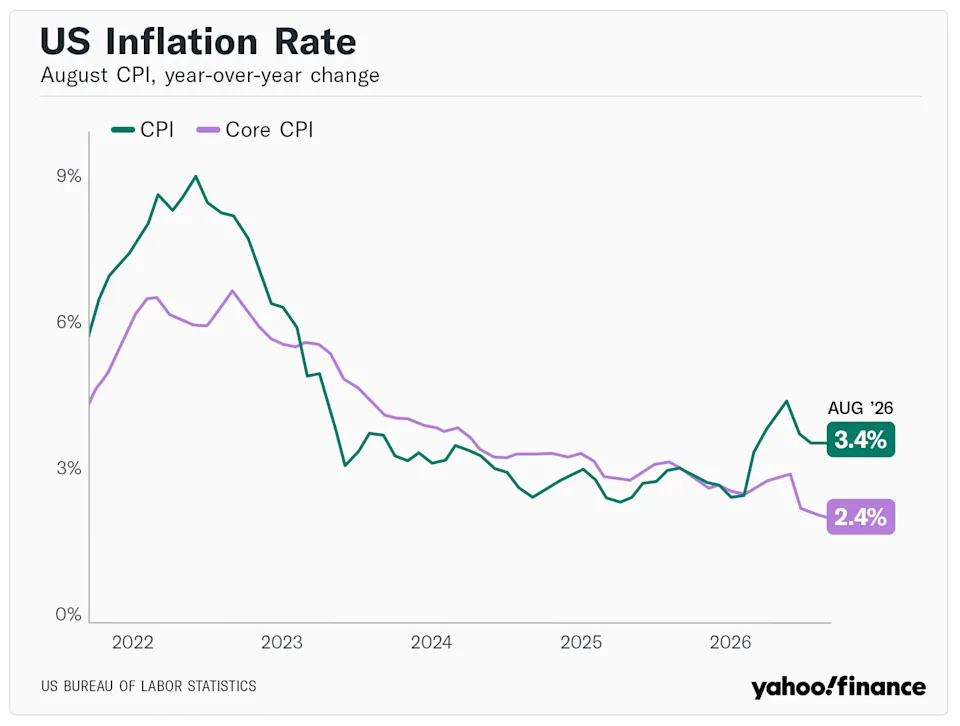
- The noise: the headline number matched forecasts, so “inflation is fine.”
- The signal: the core reading, which strips out food and fuel, ran 0.3% for the month against a 0.2% forecast, and rent re-accelerated. Traders moved the odds of a rate hike on Wednesday to about 90%.
For anyone new to this: the Fed is about to raise rates during an oil shock. That’s the opposite of the emergency cuts of 2008 and 2020, and it means new mortgages, car loans, and card balances get more expensive, not less.
The rest of the week stacks up behind it. Tuesday at 2:15 p.m., the Senate’s crypto vote, with passage odds near one-in-ten. Wednesday, retail sales at 8:30 and the Fed at 2 p.m. Friday, quarterly options expiration and Starship’s next launch window.
The Index Didn’t Bend. Here’s What’s Holding It.
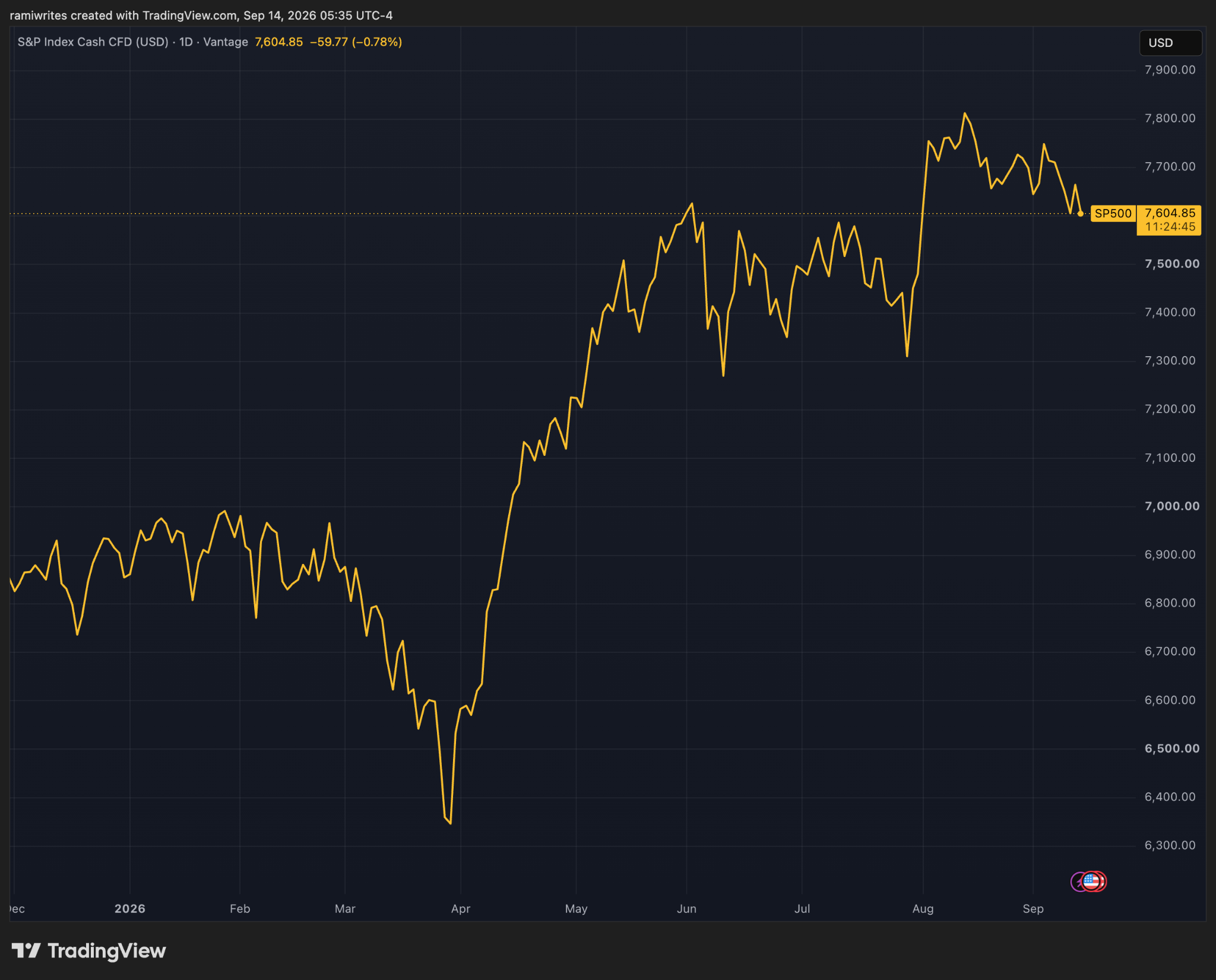
- The noise: “seven giant stocks are hiding a weak market.”
- The signal: this year the data says the reverse. The equal-weight S&P, where every company counts the same, is up about 13% against roughly 10% for the regular index, and the seven largest tech stocks lost ground in the first half while the market gained 9%.
So the support comes from the spending itself. AI capital expenditure flows to chips, servers, power, and buildings, and it shows up as earnings across dozens of companies. One strategist’s line Friday: a growing share of the economy is less sensitive to interest rates, because AI investment is surging.
That strength has a cost. Alphabet’s free cash flow went negative last quarter for the first time since it listed. Oracle’s ran $5 billion negative last week even as its backlog hit a record.
The build-out is being financed, increasingly, with borrowed money at a 10-year near 5%. That’s the seam Frank Curzio opens below.
One Token. 2 Cents to 40 Cents. 18x.
In March, the research team at Gems Uncovered flagged a token 10 days old, trading near $0.02. Almost nobody had heard of it. Five months later it touched $0.40, an 18x, and the second-biggest winner in the letter's history.
That's the job: finding native-market assets early, before they hit a mainstream exchange, with the thesis, the evidence, and the risks laid out in plain English.
No pick is a promise, and peaks only count for the people who take them. But you can't take a shot you never saw.
See how Gems Uncovered finds them →
Featured Contributor

Today’s guest is Frank Curzio of Curzio Research. Frank spent five years helping CNBC’s Jim Cramer find ideas for Mad Money and the Action Alerts Plus portfolio, launched two newsletters at Stansberry Research, and hosts Wall Street Unplugged, ranked the No. 1 “most listened-to” financial podcast on iTunes.
Wall Street Is Watching AI Stocks. It Should Be Watching AI Debt.
The AI boom has reached a new stage.
For the past few years, investors mainly had to ask one question: Is demand real?
Increasingly, the answer is yes. AI spending, server demand, backlogs, and hyperscaler capex remain enormous.
Take Dell’s (DELL) latest earnings. The company’s Infrastructure Solutions Group, the part of the business benefiting most directly from AI, grew 89% year over year. Its AI backlog nearly doubled in a single quarter, from roughly $51 billion to more than $90 billion.
Simply put, AI is having no trouble finding customers.
But the sheer size of this buildout is creating a different problem: Someone has to pay for it all.
The biggest technology companies have funded much of the AI buildout so far with their enormous cash flows. Now, capital spending is growing faster than the cash they have available to fund it. As a result, companies are increasingly turning to debt and other outside financing.
The AI buildout is getting too big to fund with cash alone
For years, companies like Microsoft, Alphabet, Meta, and Amazon could finance huge investments almost entirely from the cash generated by their existing businesses.
But even their resources have limits. Let’s look at the numbers…
At the beginning of this year, Wall Street expected the major hyperscalers to spend roughly $515 billion on capital projects in 2026.
That estimate has since surged to around $775 billion. Alphabet, Amazon, Microsoft, and Meta alone are expected to spend around $700 billion in 2026.
And by 2027, annual spending is projected to top $1 trillion.
Meanwhile, aggregate free cash flow across several of the largest hyperscalers peaked near $400 billion in late 2024. Current estimates put it at roughly $21 billion by the end of 2026 as capital spending absorbs more and more of the cash coming in the door.
Remember, free cash flow is what’s left after a company pays its operating expenses and capital investments. The hyperscalers aren’t suddenly generating less cash from their businesses. They’re spending so aggressively on AI that very little may be left over afterward.
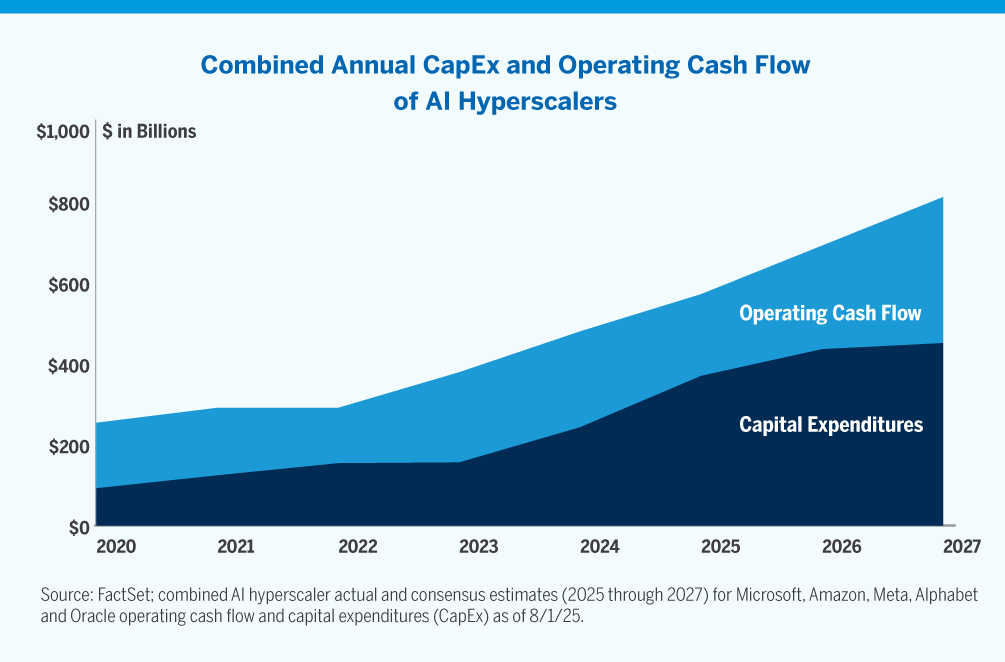
Alphabet offered a striking example last quarter. The company spent $44.9 billion on capital expenditures while generating $39.1 billion in operating cash flow, pushing quarterly free cash flow below zero for the first time since it went public.
Already, tech companies are issuing more bonds, bringing in outside investors, structuring leases and joint ventures, and using other forms of financing to keep construction moving.
AI-related debt issuance has already topped $220 billion this year, and Morgan Stanley estimates that number could reach roughly $570 billion by year-end, more than double last year’s level.
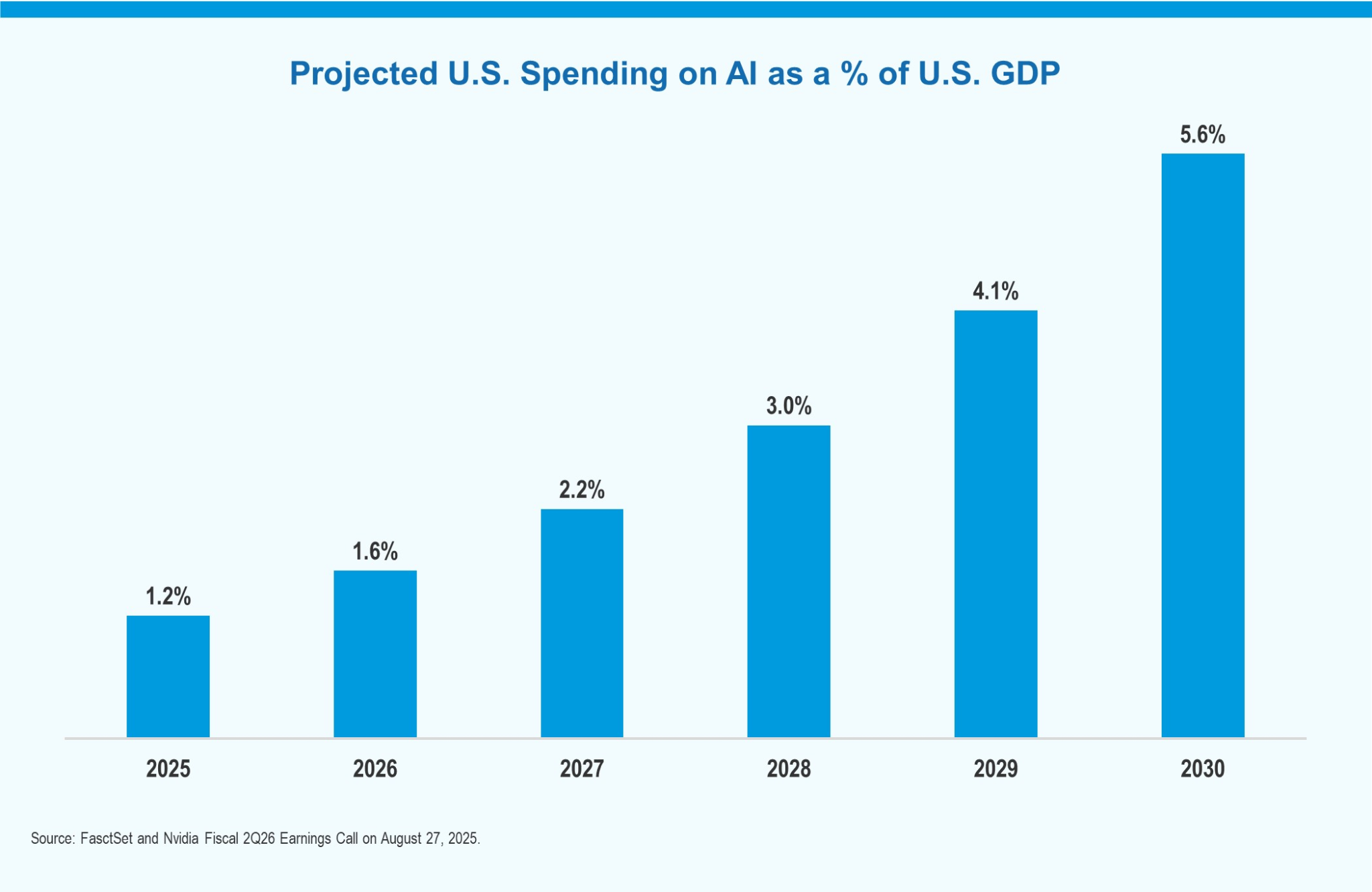
Looking forward, Sycamore Tree Capital estimates that roughly $2.9 trillion will be spent on data centers globally through 2028, and about $1.5 trillion will need to come from external financing.
None of this is inherently alarming. Borrowing money to invest in a fast-growing, highly profitable business can be a fantastic use of capital.
But it also changes the equation. Once companies begin relying heavily on outside financing, AI growth no longer depends solely on demand. It also depends on the cost and availability of money. And both are moving in the wrong direction.
The 10-year is making the AI boom more expensive
The yield on the 10-year Treasury has surged from roughly 4.2% to around 4.8% in only a few months. That might sound like a small move. But for financial markets, it’s significant.
The 10-year Treasury is one of the most important benchmarks in the global financial system. It influences mortgage rates, corporate borrowing costs, and the return investors demand from other assets.
As Treasury yields rise, businesses generally have to pay more to borrow. That’s manageable when you’re financing an ordinary expansion.
It becomes much more tenuous when an entire industry is trying to fund one of the largest capital spending booms we’ve ever seen…
Say investors are willing to lend a company money at 1 percentage point above the comparable Treasury yield.
With the Treasury at 3.5%, that debt might cost roughly 4.5%. With the Treasury at 4.8%, the same borrower could pay closer to 5.8%, even if investors view the company’s creditworthiness the same way.
Apply that difference across hundreds of billions of dollars of new financing and the cost adds up quickly.
More importantly, projects have to earn enough to clear a higher bar.
A data center expected to generate a 7% return looks attractive when financing costs 4%. That’s a healthy spread between what the project earns and what the money costs. But at a 6% financing cost, most of that cushion disappears.
Companies can respond by accepting lower returns, raising prices on their customers, contributing more of their own capital, or deciding some projects no longer make economic sense.
Any of those outcomes changes the profitability of the AI buildout.
And this isn’t a theoretical future problem. Long-term rates are rising while hyperscalers are simultaneously asking the bond market for unprecedented amounts of capital. Credit investors are beginning to price in the fact that companies once famous for massive cash piles and relatively little debt are becoming much bigger borrowers.
In fact, the AI borrowing boom may itself be contributing to higher rates. Reuters reported this week that AI-related corporate borrowing itself is adding to the pressure on yields as tech companies compete with the federal government and other borrowers for investor money.
In other words, AI is adding to the enormous demand for capital… which, in turn, is making borrowing more expensive.
Financing is becoming part of the AI thesis
The fundamental AI story remains incredibly strong.
Dell’s backlog shows that customers still want more infrastructure than suppliers can currently provide… Hyperscalers continue raising their spending forecasts… And companies are finding more ways to use AI throughout their businesses.
But that success has produced an infrastructure buildout unlike anything the technology industry has attempted before.
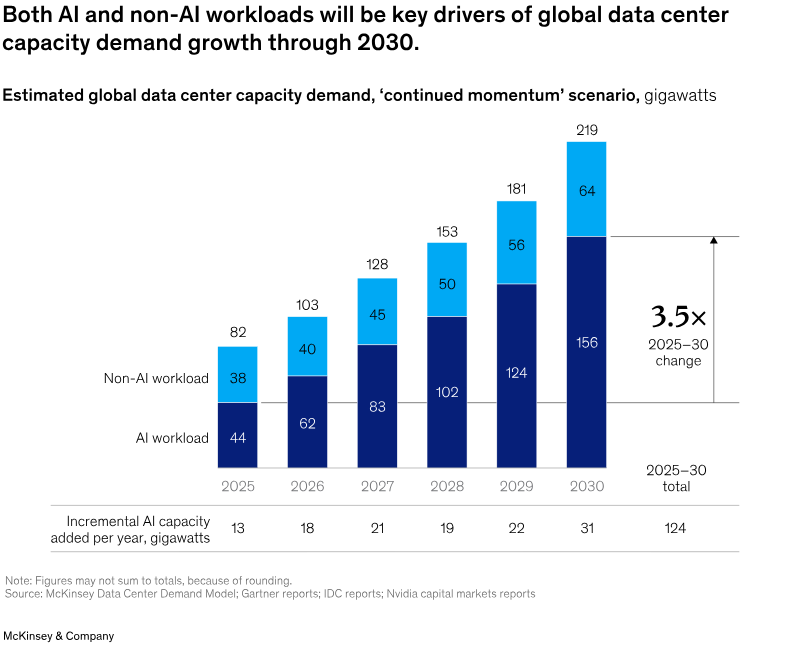
Big Tech’s cash flow financed the early stages… The next stage requires trillions of dollars for data centers, power, chips, networking, and everything surrounding them.
Increasingly, a large portion of that money will come from investors and lenders. And as long-term rates rise, or if expected AI revenues begin slipping, the economics get tighter.
That’s the connection investors need to watch.
That was Frank Curzio.
If the AI-debt angle got you thinking, Frank goes deeper on it every week on his podcast, Wall Street Unplugged. It's the same read you just got: what he's watching, what the tape's actually saying, and where the risk is hiding while everyone else stares at the stock price.
Listen to Wall Street Unplugged here →
Elon Filed Something With the FCC. Then Said Nothing.
No announcement. No tweet. From the loudest man in tech, silence is the signal. James Altucher read the filing, and says what’s inside is bigger than Tesla, SpaceX, and X combined, because it solves the one problem holding back the $25 trillion AI race.
His free masterclass breaks down the filing, the plan, and the tickers.
Disclosure: Paradigm Press is a paid partner of Future Finance. The forecasts and claims above are James Altucher’s / Paradigm’s, not Future Finance research or advice. As always, do your own diligence.
Final Thought
Two bills are coming due at once this week, and they’re related.
The oil bill gets paid by everyone, at the pump, at 27% more than last year. The AI bill gets paid by lenders, at a 10-year yield within a whisker of 5%. The market’s calm rests on the second bill staying affordable while the first one climbs.
Wednesday, the Fed decides how expensive money gets. Frank’s question, who funds the build-out and at what rate, is the one that outlasts the meeting.
See you soon.
Editor in Chief | Future Finance
Disclaimer: This content is not financial advice, it is for informational purposes only. All investments involve inherent risk. Any financial decisions you make are solely your responsibility.
The Institutions Are In. The Edge Is In What They Buy Next.
By the time a pension fund files a disclosure, the easy money has already been made.
The real edge is spotting where serious capital is heading before the paperwork catches up to it.
That’s the whole job of Gems Uncovered, our research on early, asymmetric plays before they reach the mainstream.
Follow the smart money early, not after it’s on the front page.
Latest


Editor's Picks
Become a sharper capital allocator in 5 minutes a day.
Institutional-grade research on where the smartest capital is positioning, across AI, energy, biotech, robotics, and digital assets. Distilled into a daily read you finish before your coffee does.
Join 45,000+ readers · No spam · Unsubscribe anytime