

We formed a recount committee. Over trivia.
Inside Day 2 at the Bellagio →
November 13, 2026
·
10 Min Read



The briefing serious investors read first.
Free analysis before markets open. Start thinking in decades, not days.
Join 45,000+ readers · No spam · Unsubscribe anytime · No card needed
Today’s Big Picture
On Thursday, a ballroom of investors at the Bellagio formed a recount committee.
Over a trivia question.
The question: long before video games, Nintendo was founded to make something you’ll find on every table in Las Vegas. What?
Most tables wrote chips. One table wrote playing cards, and playing cards was right.
So one table got the point, and the rest of the room demanded a recount.
A room can agree and still be wrong. The point goes to whoever’s right.
Below, Max Nee takes you inside Day 2 of the Inflection Club, committee ruling included.
Most Investors Hear About It After the Big Move
Gems Uncovered is our weekly research on early digital-asset opportunities, for investors who’d rather hear about them first.
Every pick is dated the day we cover it. Every month, the research team publishes how those picks have done since, misses included.
So you don’t have to take anyone’s word for it: look at the record, then decide for yourself.
Digital assets are volatile, and past picks don’t predict future ones. Nothing here is a recommendation.

Featured Contributor
Maxwell Nee is back with Day 2. He’s Chairman and Founder of Family Office Insider and a co-lead of the Inflection Club, a private investment club for accredited Decentralized Masters members. Nothing in this section is an offer, a solicitation, or a recommendation, and private investments can lose their entire value.
Day 2 in Vegas: The Room Said Chips
The question that started it
Day 2 had trivia: four rounds of questions from the world of venture investing, then one final question where every team bets its points before hearing it.
The trouble started in round four. Vanessa Braun, who runs the club with me, read it out: long before video games, Nintendo was founded in Kyoto, in 1889, to make something you’ll find on every table in this city. What?
Most tables wrote chips. In a casino, that’s a fair guess.
One table wrote playing cards.
Playing cards was right. Nintendo started out making hanafuda, Japanese flower cards, and it still makes them today.
So one table got the point. Every other table protested.
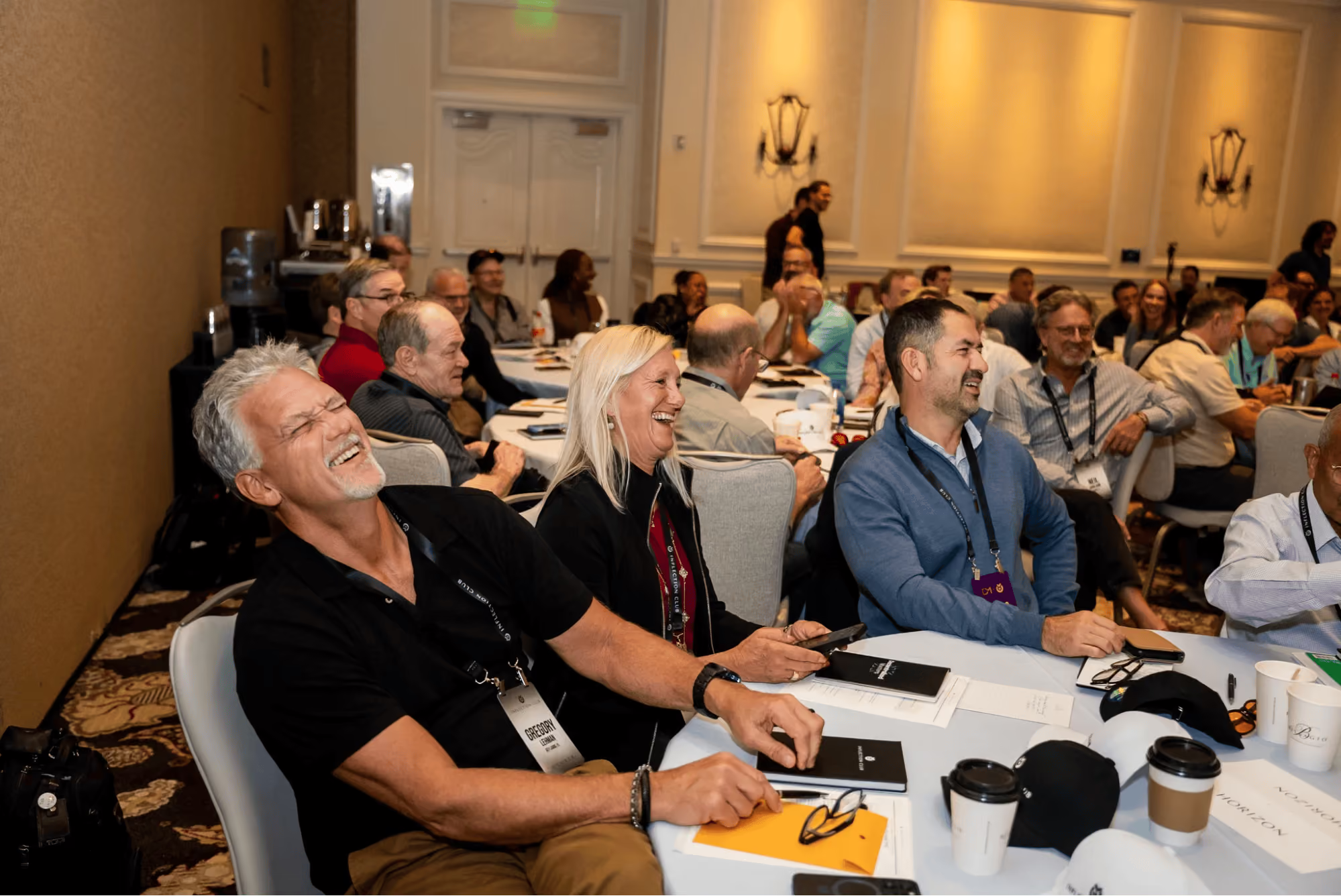
Out of the protest came a recount committee. It reviewed the answer and ruled that the point stays with the table that got it. If no table had got it right, we’d have been generous with that point. One table did, so it stayed with them.
There were boos, and it was a whole lot of fun.
I’ve run a lot of meetings. I have never been prouder of a room.
Wrong together
Here’s what stuck with me afterward.
Chips was a reasonable answer. Once the room saw that most tables had written it, chips felt even more right. That’s what the protest was: a lot of people who agreed with each other.
Look at the ruling too. If nobody had got it, nobody would have lost much. Being wrong together costs you very little. Being right on your own gets you booed.
The economist John Maynard Keynes saw the same thing in markets 90 years ago: “Worldly wisdom teaches that it is better for reputation to fail conventionally than to succeed unconventionally.”
When everyone owns the same thing and it falls, nobody gets blamed. The investor who stood apart and turned out right usually spends a long time looking wrong first.
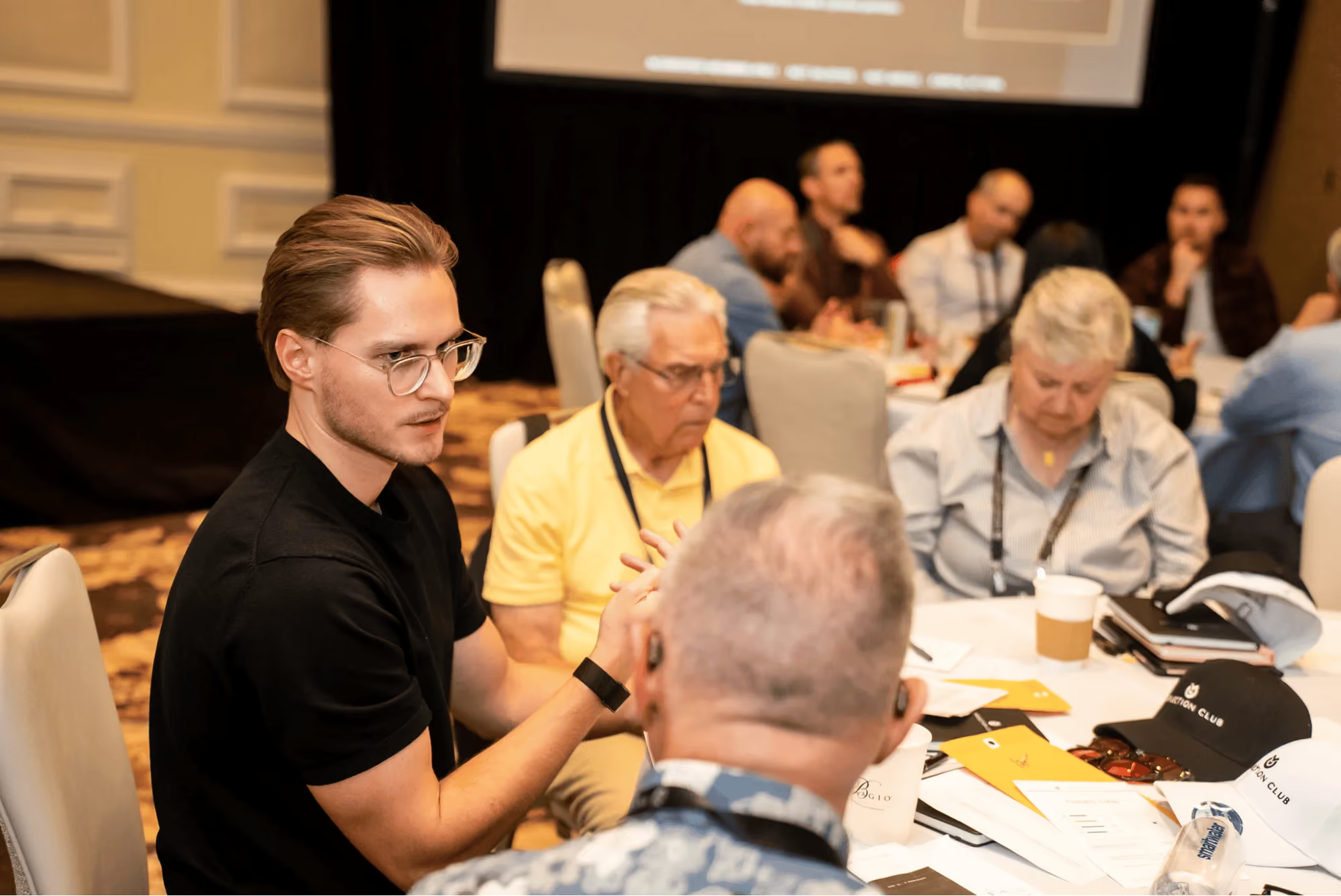
Then came the bet
A schedule change moved the final bet to after lunch. So I had all of lunch to tell anyone who’d listen that the final question was easy.
The idea behind it: I knew the question, and they didn’t. When the only person who knows the question keeps calling it easy, every team has to decide what that means before it bets.
The question: which of these four games gives the casino its smallest edge? Blackjack, roulette, slot machines or keno?
The answer was blackjack. And it was easy, if you knew the edge, the slice of every bet the casino keeps over time:
- Blackjack, played well: less than half a cent of every dollar you bet
- Roulette, on a wheel with a 0 and a 00: a little over 5 cents
- Slot machines: anywhere from 2 to 15 cents
- Keno: about a quarter of every dollar
While the scores were added up, I told the room: the casino doesn’t need to win every hand. It needs a small edge, on every bet, for long enough. That’s how this whole town got built.
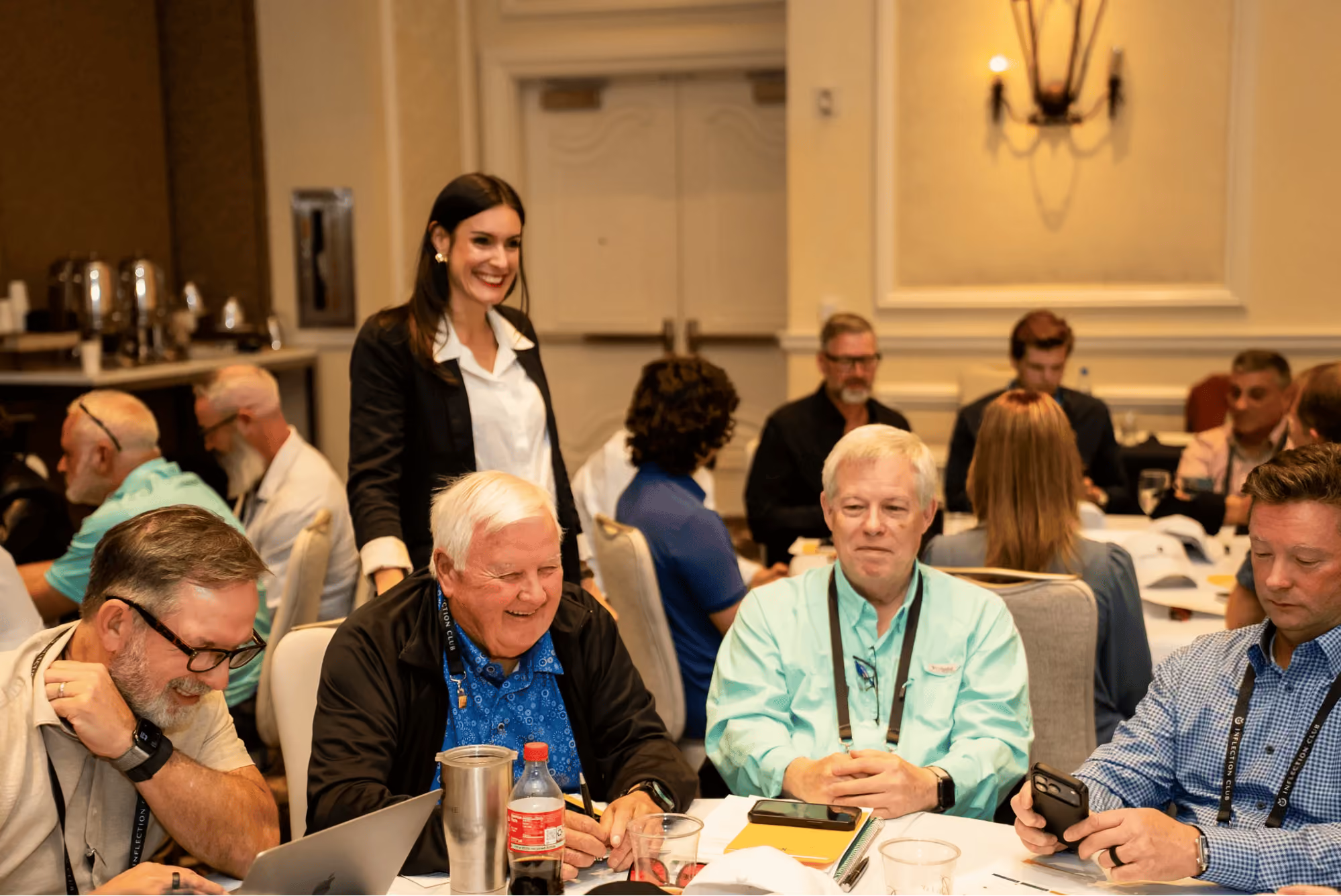
Three things worth stealing
If you invest in anything, these three ideas from the trivia tables travel well.
First, a crowd’s answer is still a guess, however many people share it. Before you go with the room, ask whether anyone at the table knows.
Second, expect being right on your own to feel bad first. The one table that wrote playing cards got booed for it. In markets, the boos can last for years.
Third, when the person who knows the question tells you it’s easy, ask why they’re telling you. On Thursday, that was me, playing for points. Out there, the person calling something easy often has something to sell.
Being right on your own gets you booed. It also gets you the point.
The rest of Day 2
Trivia was the loudest hour of the day. Here’s the rest of it.
Morning: start 100 years out
I opened the day with a page and three dates: 2126, 2036 and 2027.
The first question on it: nobody in this room will see 2126, so what should your money still be doing then, and why? What does your family need to understand about it?
Then 10 years out, with one goal about money and one about everything else. Then the next 12 months, written so that someone could check, a year from now, whether you did it.
One example on the sheet had no numbers in it at all: “Get every account in one place, with a list my family can find.” Salim asked the room for the same thing on Day 1.
Try it this weekend. It takes a quarter of an hour and a pen.
Two guest sessions followed. Like the club’s deals, they stay inside the room.
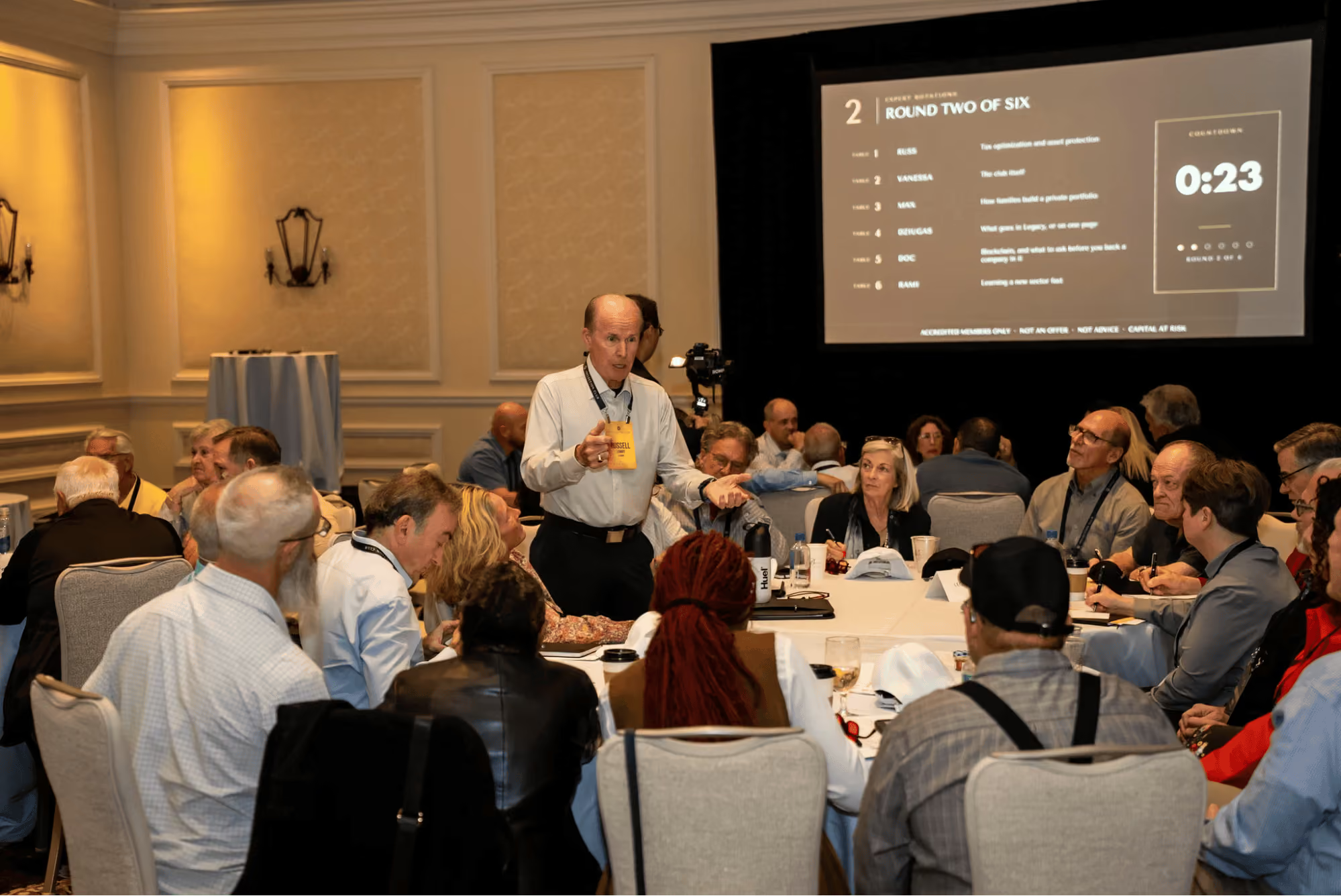
Before lunch: trivia, with a twist
Every team mixed people who’d never sat together, and every answer came with a story. My other favorite, after Nintendo:
In 1998, Google’s first $100,000 check was made out to a company that didn’t legally exist yet. Larry Page and Sergey Brin had to create it before they could cash it.
After lunch: money stories
Back at their trivia tables, everyone answered two questions. How was money talked about in your house growing up? And what’s the investment or business that went wrong, and what did it teach you?
The rules: no advice, no amounts, and anyone can pass.
Ask us anything
Next, Tan Gera and Salim Elhila, who co-founded Decentralized Masters, joined Vanessa and me to take questions. No question cards: if you had one, you put your hand up and asked it out loud.
Vanessa set three rules before the first hand went up: no advice, no numbers on any one deal and no forecasts. That’s a decent filter for anyone who talks to you about money.
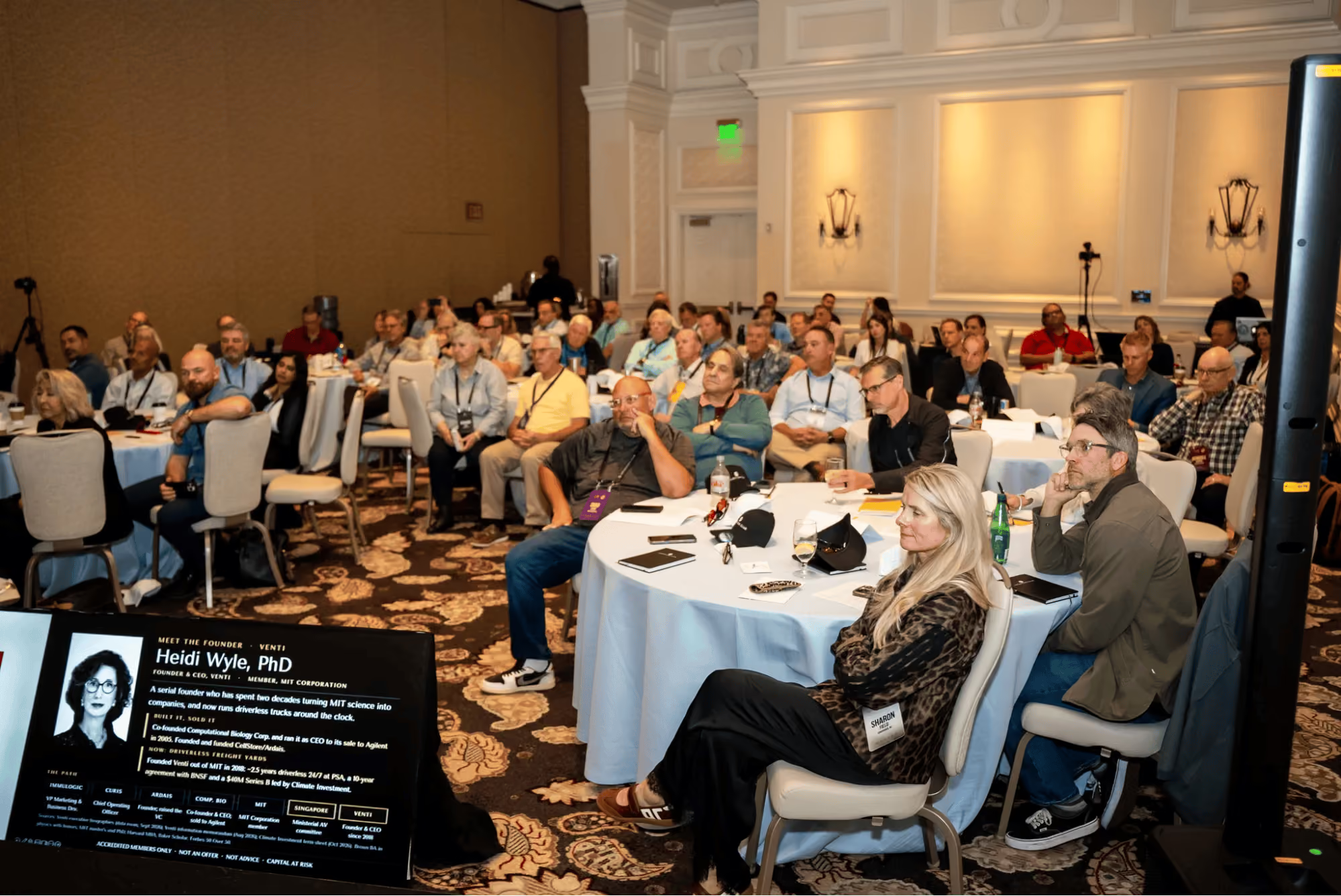
The rest of the page
We closed with a Lifeline: your whole life as one line, with the highs above it and the lows below. Everyone added this week to the end of theirs, with one word beside it.
Then I got my favorite part. Everything on that line has already happened. The white space to the right is the only part of the page you get to draw before it happens.
Everyone drew two marks there: one for the next time the club meets, and one for December 2027.
Tan and Salim joined Vanessa and me at the end, and the room loved seeing the four of us up there together, jokes and all.
Tan summed up the two days better than I can. When he and Salim started the club, they didn’t know if it would work. “We do now.”
To finish, everyone stood, held their page up and shouted their word, all at once.
Then Vanessa and I said the last line together: see you at the next mark.
Ocean’s DM starts tonight. If you’re here for it, come and say hello.
- Maxwell Nee
Chairman & Founder, Family Office Insider | Inflection Club
Private investments are illiquid and high-risk, and you can lose all of the money you put into any one company. House-edge figures are long-run averages. Nothing here is an offer, a solicitation, or a recommendation.
Missed the Room? Start With the Podcast.
The Inflection Club’s two days in Vegas were for members. They ended with a room on its feet, shouting one word each.
The club’s podcast is for everyone. On YouTube, it shares conversations about investing at the inflection point, including an episode with Decentralized Masters co-founder Salim Elhila.
Pick one for the weekend. It’s free.
Watch the Inflection Club on YouTube →
The Inflection Club is a private club for accredited Decentralized Masters members. Nothing here is an offer, a solicitation, or a recommendation.
Final Thought
Next week, the stock market gets its own trivia question.
Nvidia reports its quarterly results after the close on Tuesday, Nov. 17. Expect a lot of agreement in advance about what it will show, and plenty of people telling you how easy it is to call.
On Monday, we wrote that when a price rests on years of expected growth, even news with nothing to do with profits can move billions. A crowded room is easy to surprise.
So remember the Nintendo question: when the whole room agrees, check whether anyone at the table knows.
Tonight, Ocean’s DM opens at the Bellagio for Decentralized Masters members. Tomorrow, we’ll wrap up the week.
See you then.
Editor in Chief | Future Finance
Tan Gera Writes Down His Prices. Then He Grades Himself.
Most market commentary explains what already happened. Tan’s newsletter tells you, in advance, the exact prices where he’d buy or sell his own investments.
The Macro Letter is Tan’s twice-weekly newsletter. He co-founded Decentralized Masters, holds the CFA charter and writes each issue around one story, from the Fed and the bond market to gold and digital assets, in plain English.
- His prices, in advance: written down before the market gets there
- His reasoning: how one report or one decision in Washington reaches your money
- His grades: past calls checked in public, misses included
It’s the habit this whole week kept coming back to: decide before the moment arrives, then check the record.
Positions described are Tan’s own portfolio, shared for transparency, and are not a recommendation to buy or sell any asset. Past performance is not indicative of future results.
Disclaimer: This content is not financial advice, it is for informational purposes only. All investments involve inherent risk. Any financial decisions you make are solely your responsibility.
Latest




Editor's Picks


Become a sharper capital allocator in 5 minutes a day.
Institutional-grade research on where the smartest capital is positioning, across AI, energy, biotech, robotics, and digital assets. Distilled into a daily read you finish before your coffee does.
Join 45,000+ readers · No spam · Unsubscribe anytime · No card needed