The 1951 Accord, again
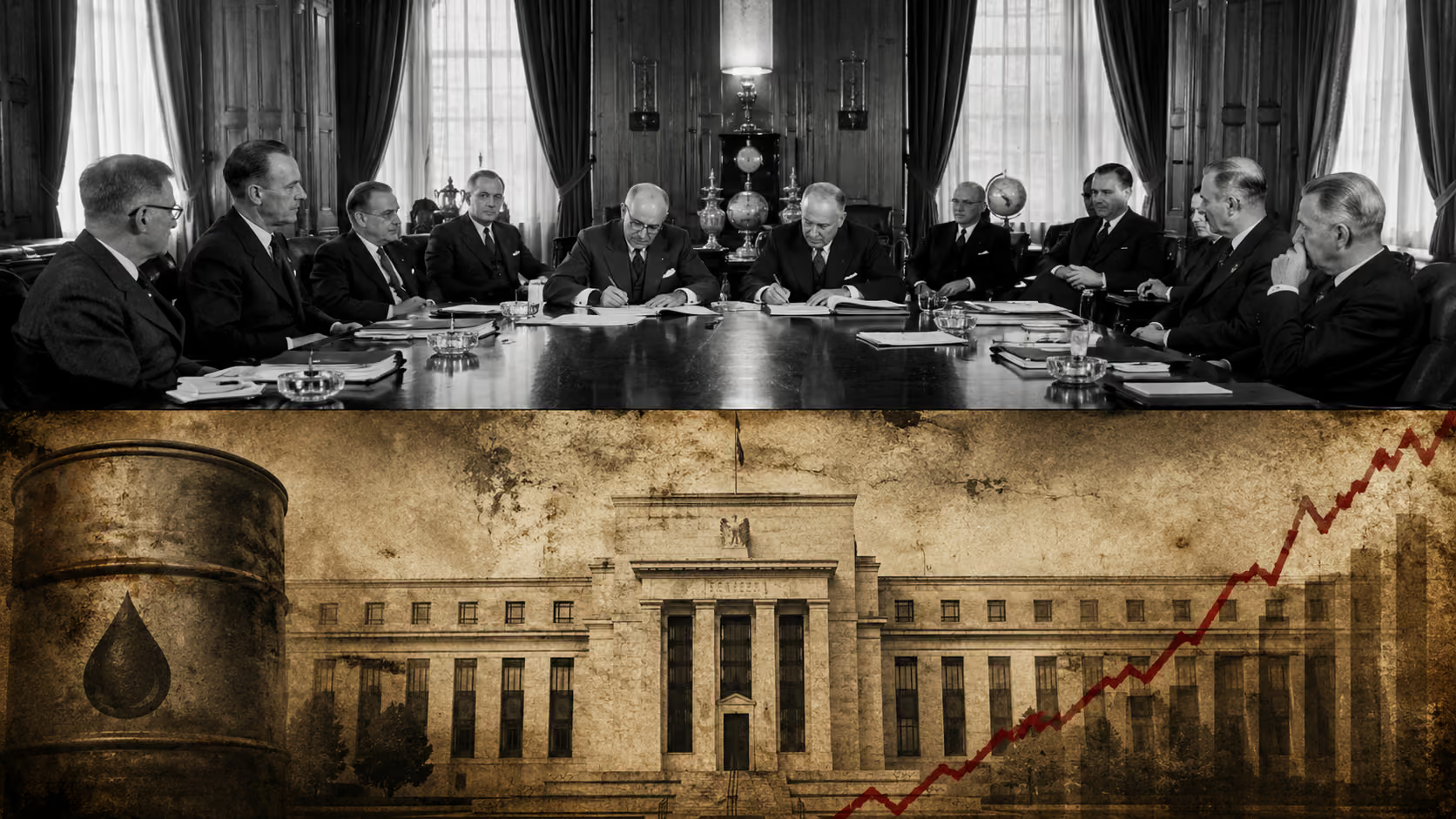
Hot CPI, $107 oil, a new Fed Chair, and an old precedent.
May 15, 2026
·
10 min read



The briefing serious investors read first.
Free analysis before markets open. Start thinking in decades, not days.
Join 45,000+ readers · No spam · Unsubscribe anytime
Before we begin: this report is for education, not financial advice. Nothing here is a recommendation to buy or sell any stock, company, or asset, and we make no price predictions. Investing carries risk, including loss. Please read the full disclaimer at the end.
📊 Today’s Big Picture
At midnight tonight, Jerome Powell stops being Fed Chair.
He has held the job for eight years.
- He will not be giving a farewell speech.
- He will not be holding a press conference.
- He will not be leaving the building.
For the first time since 1948, an outgoing Fed Chair is staying on the Board.
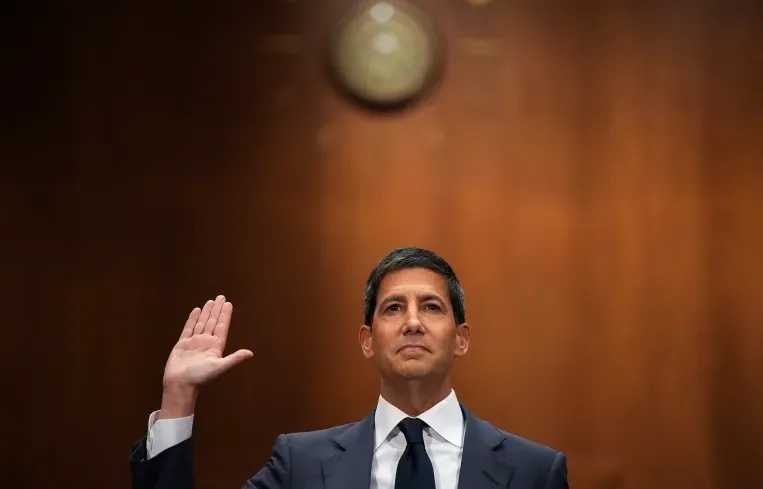
The man taking the chair is Kevin Warsh.
He was confirmed Wednesday by a vote of 54 to 45.
That is the most divisive Fed Chair confirmation in modern history.
Janet Yellen passed 56-26. Powell himself passed 84-13 in 2018.
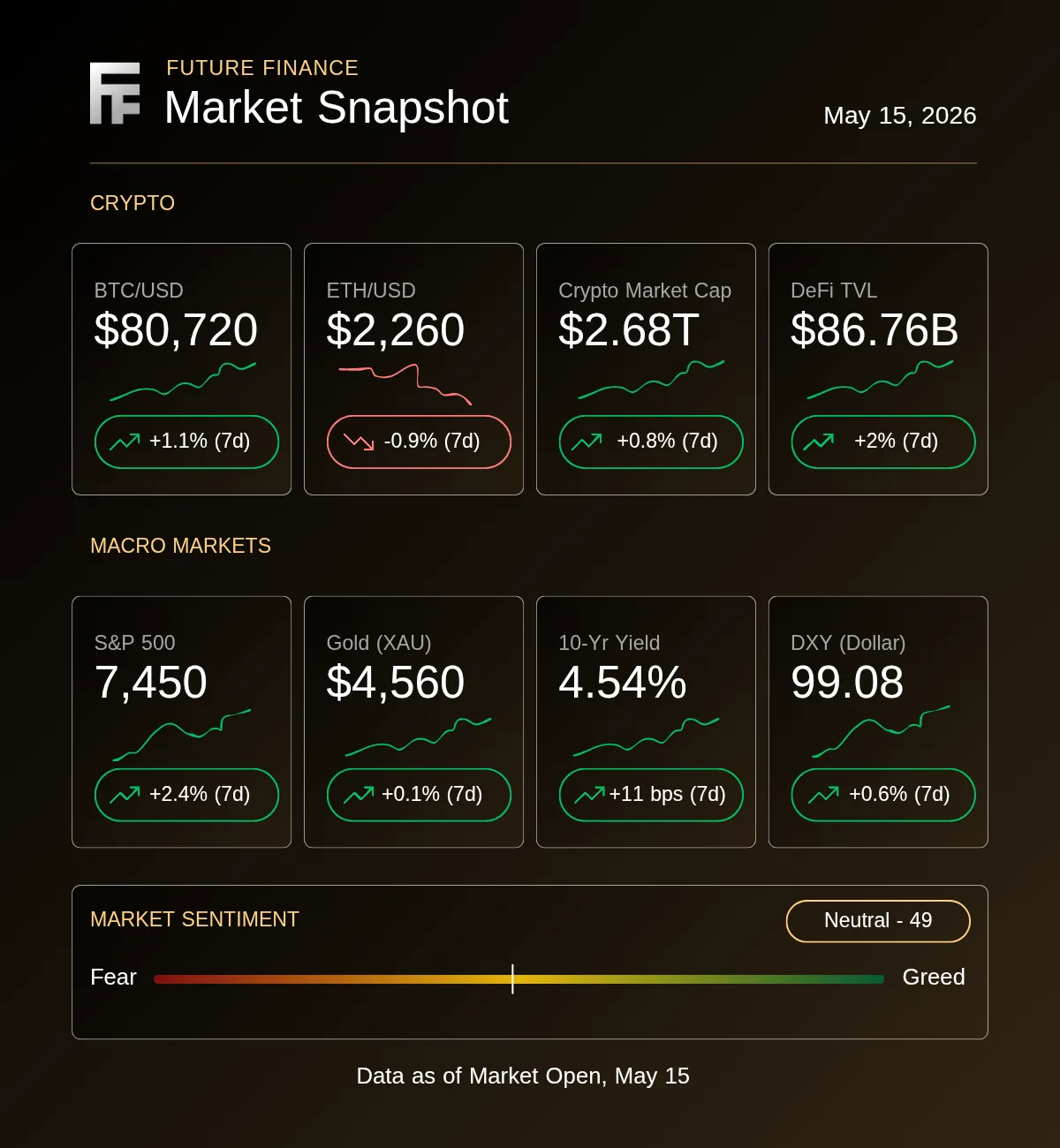
Warsh takes the chair with 3.8% CPI, 6.0% PPI, $107 oil, and a market pricing 39% odds of a rate hike by December.
By the end of this issue, you’ll know what Warsh’s first day changes and what it doesn’t.
And why a moment from 1951 is the closest thing to a map.
🔍 Signal vs. Noise
What Wednesday’s Vote Actually Said
The 54-45 vote was pure politics.
- Republicans voted for Warsh because the White House wanted him.
- Most Democrats voted against him because of who nominated him.
Only one Democrat crossed over. Senator John Fetterman of Pennsylvania.
Warsh sat on the Fed Board from 2006 to 2011.
He has spent the 15 years since in the Hoover Institution and in private finance.
He will be the wealthiest Fed Chair in history, with holdings well north of $100 million that he must divest.
He has said publicly that the policy rate should be lower. He has said the balance sheet should be smaller. He has said communication should change.
The first opportunity to act on any of it is June 16-17. The FOMC meeting that Warsh will lead.
That is 32 days away.
Three Headlines, Three Rebuttals
- The first headline running this morning is that Trump finally has his Fed Chair.
- What the math says: Warsh chairs the FOMC. He does not vote alone.
The FOMC has 12 voting members. 11 of them were not nominated by this administration.
The most recent vote was 8 to 4 in favor of holding rates. The most dissents at a single FOMC meeting since 1992.
Warsh inherits a split committee, not a captive one.
- The second headline is that rate cuts are coming.
- What the math says: April CPI printed Tuesday at 3.8% year-over-year.
April PPI printed Wednesday at +6.0% year-over-year. The largest annual gain since December 2022.
The 30-year Treasury auction on Wednesday cleared at 5.046%. The first 30-year auction to clear above 5% since August 2007.
The market is pricing roughly 39% odds of a rate hike by December. Not a cut. A hike.
Warsh inherits an inflation regime that may force his hand in the opposite direction from what was expected.
- The third headline is that Powell’s exit means Fed independence is over.
- What the math says: Powell is not leaving the building.
He is staying on the Board of Governors through January 2028.
He is the first outgoing Chair to do so since Marriner Eccles in 1948.
His vote still counts on every FOMC decision through 2028.
That changes the math on every rate decision Warsh makes for the next three years.
Three headlines. Three rebuttals. One question underneath all of them.
What does a new Fed Chair actually do when inflation is hot, oil is shocking, the dollar is weak, and the market is watching?
We are not the first generation to ask this.
The last time it happened was on a Sunday morning in February of 1951.
There Have Only Been Two Fed Chairs That Refused to Leave
A former Wall Street strategist just mapped what the first one did next.
Marriner Eccles, 1948. Jerome Powell, 2026. Both held the most powerful job in finance. Both were removed as Chair. Both refused to leave the building. The last time it happened, the man who stayed on the Board forced the policy regime change that re-priced every American portfolio for a decade. Sovereign wealth funds and family offices already know the pattern. They are positioning ahead of the second instance right now, in real time.
If you hold a 401(k), an IRA, or a brokerage account in U.S. dollars, you are sitting in the regime they are positioning out of…
See for yourself right here…
🧠 ABN Principle in Practice
August 6, 1979
There is one historical moment when an outgoing Fed Chair stayed on the Board.
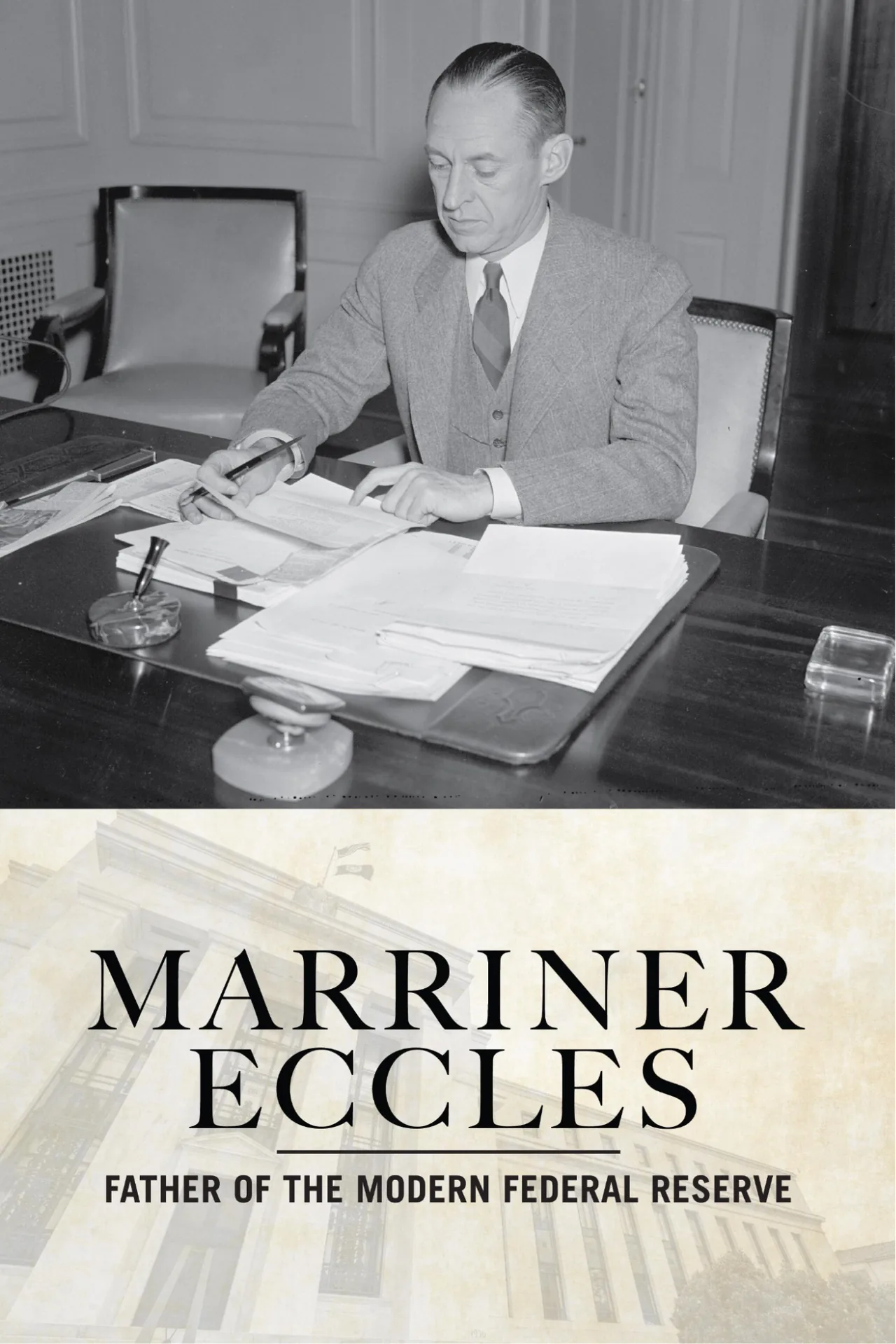
His name was Marriner Eccles.
Truman had refused to reappoint him in 1948 because Eccles wanted to raise rates and Truman wanted them kept low to finance the national debt.
Eccles could have resigned.
He didn’t.
He kept his Board seat and told the press he could now speak more openly.
Three years later, the Korean War turned inflation into a 21% annualized spike.
Treasury falsely told the press the Fed had agreed to keep rates artificially low.
On Sunday, February 4, 1951, Eccles secretly handed the FOMC’s internal memorandum to the New York Times.
The next morning, the Times ran it on page 1:
“TRUMAN IS DISPUTED BY RESERVE BOARD.”
One month later, the Treasury and the Fed signed the Accord that created the modern, politically independent Federal Reserve.
What History Teaches Us
Eccles did not run a shadow Fed.
He did one thing a private citizen cannot do.
He used his Board seat to expose a White House cover-up at the exact moment it mattered.
His successor got the chair. Eccles kept the megaphone.
Powell is the first Fed Chair since Eccles to make the same choice.
His Board term runs through January 2028. His vote counts on every FOMC decision Warsh will lead.
The market does not yet know what that means.
History does.
What To Do About It
There is a way to organize a portfolio for exactly this kind of institutional moment.
We call it the All-Weather, Become Your Own Bank, Native Markets approach.
Or ABN for short.
- All-Weather holds real assets that perform across any monetary regime. After the Accord, the 10-year Treasury yield ran from 2.5% to 4.7% in a decade. Gold and productive businesses were the only assets that held value through that re-pricing.
- Become Your Own Bank captures the yield that banks earn on deposits. In 1951, the only way to escape financial repression was to own the banking margin. The rails are different today. The principle is the same.
- Native Markets is the part held in personal custody. The positions that cannot be liquidated by a Fed Chair making one decision under fire.
Eccles spent three years on the Board before the defining moment arrived.
Powell has three years ahead of him.
The portfolios being built in the gap between those two facts start here.
📰 From Around the Market
Every issue, we bring you the most important stories from around the world and show you why they matter. Think of this as your shortcut through the noise - one click per story, and you’re caught up.

Trump leaves Beijing with headlines, not deliverables.
Air Force One departed Beijing this morning, local time.
Trump spent 48 hours with Xi Jinping. He arrived with the largest CEO delegation in a generation.
What he leaves with is smaller than the headlines suggested.
China will buy 200 Boeing jets, per Trump’s interview with Sean Hannity. Jefferies had projected 500.
Beijing committed to “double-digit billion” in U.S. agricultural products annually for three years, per USTR Greer. There is no new soybean deal beyond October’s Busan agreement.
Roughly 10 Chinese firms were cleared to buy Nvidia H200 chips. Alibaba, Tencent, ByteDance, and JD.com are on the list. Zero chips have been shipped.
The U.S.-China Board of Trade that Bessent was framing as a deliverable was not formally announced.
On Iran, Trump told Hannity that Xi pledged no military equipment and “would like to see Hormuz open.”
Rubio told NBC: “We’re not asking for China’s help. We don’t need their help.”
The 30-Year Treasury auction broke 5%.
On Wednesday, the Treasury auctioned $25 billion in 30-Year Bonds.
It cleared at 5.046%.
That is the first 30-year auction to clear above 5% since August 2007.
August 2007 was the month of the quant crash that preceded the Global Financial Crisis.
Indirect bidders took 63.9%, down from 65.2% at the previous auction.
Foreign demand for U.S. long bonds is softening at the exact moment the Treasury needs it most.
The Clarity Act cleared Senate Banking yesterday.
The Digital Asset Market CLARITY Act advanced 15-9 out of the Senate Banking Committee on Thursday.
Democrats Ruben Gallego and Angela Alsobrooks crossed over.
The bill makes the CFTC the primary regulator for most digital assets. The SEC keeps digital securities oversight.
It still needs to merge with the Senate Agriculture version. It still needs 60 votes on the Senate floor.
The White House is targeting a Trump signature by July 4.
Bitcoin rallied to ~$82,000 during the hearing.
Coinbase finished the day +8%. Strategy finished +7%.
👀 What to Watch For
Tuesday May 19 at 1 PM ET. The 20-Year Bond auction.
The Treasury auctions roughly $16 billion in 20-Year Bonds.
This is the third leg of the quarterly refunding.
Tuesday’s 10-Year came soft. Wednesday’s 30-Year broke 5%.
The 20-Year will tell us whether foreign demand for long-duration U.S. debt is in a temporary slump or a structural one.
Wednesday May 20 at 2 PM ET. The April FOMC Minutes.
The Federal Reserve releases the minutes from its April 28-29 meeting.
That meeting produced the most dissents at a single FOMC since 1992. Eight votes to four.
The minutes will show who dissented, who aligned, and what Powell’s parting strategic posture was.
This is the last FOMC meeting Powell chaired. The next one is Warsh’s.
Wednesday May 20 after the close. Nvidia earnings.
Nvidia reports Q1 FY2027 on Wednesday after the close.
Wall Street consensus: revenue $78.8 billion, EPS $1.77.
Nvidia’s own guidance was $78 billion plus or minus 2%.
Bank of America raised its price target to $320 this week.
The stock is up ~20% in the past month. The bar is high.
Options are pricing a ~6% move in either direction.
This is the single most important earnings print of the quarter.
💭 Today’s Final Thought
Marriner Eccles spent three years on the Board after his demotion.
For most of that time, the market thought of him as a retired central banker.
On a Sunday in February 1951, a phone rang at the New York Times.
By Monday morning, the cover-up of the century was on page 1.
The Accord was signed four weeks later.
The investors who survived the next decade were not the ones who predicted Eccles would leak.
They were the ones who held real assets before he had to.
Jerome Powell takes his seat as a Board governor at midnight tonight.
- He will not run a shadow Fed.
- He will not give a farewell speech.
- He will not leave the building.
- But he will stay in the room.
The next time the market is certain what comes next, the man in the next chair over will remind it otherwise.
- Rami Al-Sabeq (Editor in Chief | Future Finance)
About Future Finance
Future Finance is written by Rami Al-Sabeq, Editor-in-Chief, and his research team. His macro-to-crypto work has been featured in Unchained and Cryptonary, and his independent essays appear at RamiWrites.Substack.com.
Behind every issue sits Head of Research Tyler Hubbard, whose track record across 590+ digital asset picks has produced an 85% directional accuracy rate and a 426% average peak return. That’s as of the third-party audit measuring performance through April 30th, 2026. Follow him on TradingView here.
Gems Uncovered
Go Deeper With Gems Uncovered
Most investors see one layer of the market. The opportunities that build real wealth live beneath it. Gems Uncovered is our monthly research briefing on early-stage assets, native market access, and high-conviction plays before they surface on mainst
Subscribe to Gems Uncovered →Disclaimer: This content is not financial advice, it is for informational purposes only. All investments involve inherent risk. Any financial decisions you make are solely your responsibility.




Editor's Pick

Become a sharper capital allocator in 5 minutes a day.
Institutional-grade research on where the smartest capital is positioning, across AI, energy, biotech, robotics, and digital assets. Distilled into a daily read you finish before your coffee does.
Join 45,000+ readers · No spam · Unsubscribe anytime