
Crypto might save the dollar?
The Treasury made a move, the bond market shrugged it off, and hard assets heard the real message →
August 21, 2026
·
7 Min Read




The briefing serious investors read first.
Free analysis before markets open. Start thinking in decades, not days.
Join 45,000+ readers · No spam · Unsubscribe anytime
📊 Today’s Big Picture
Three days ago, the Treasury announced it would buy back twice as much of America’s long-term debt. The official reason: “liquidity support.”
Here’s what happened next, in order.
Bond yields fell for exactly one day, then climbed right back. The bond market took the gift and handed it back.
Bitcoin went from $64,000 to $79,000, its best week since March 2024. Gold reached a two-month high. The dollar fell to a three-month low.
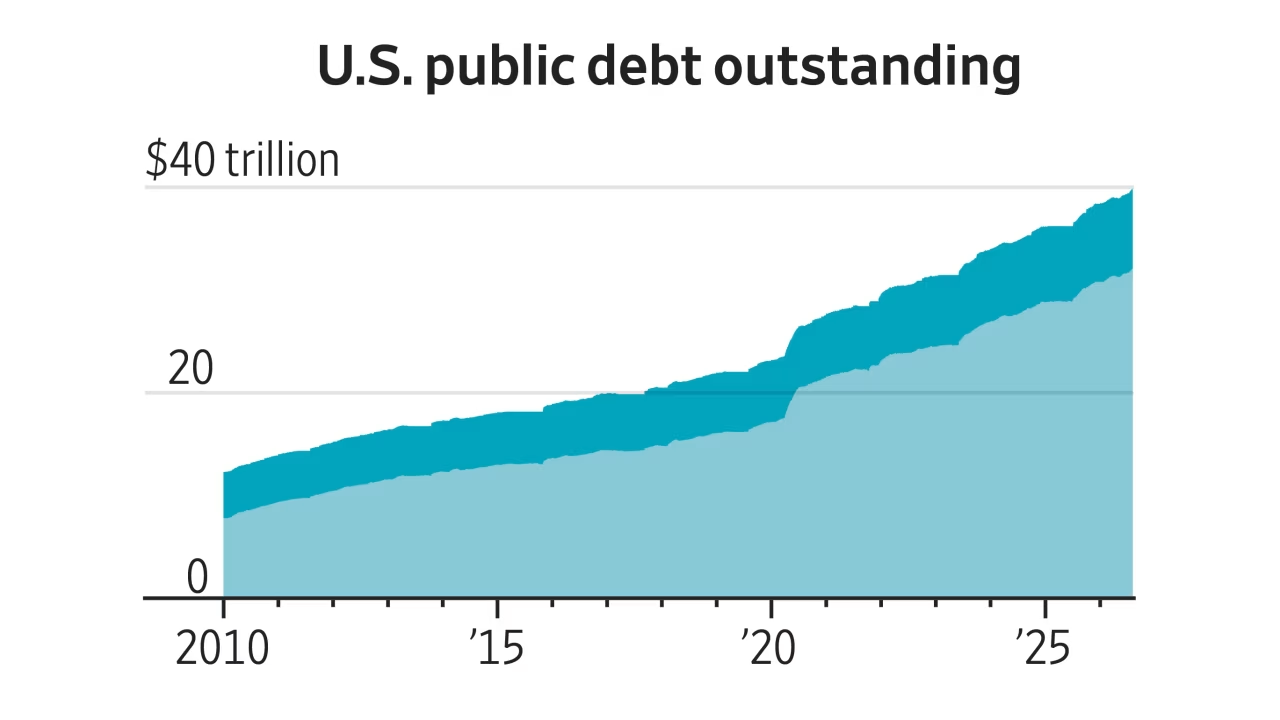
And with fitting timing, the national debt crossed $40 trillion this week.
The market is telling a story, and it isn’t the official one. When a government starts buying its own bonds and the winners are Bitcoin and gold, investors are pricing a question about the money itself.
Today’s guest argues the surprising other half: the crypto world may end up rescuing the dollar’s finances.
Both halves of that argument, below.
🔍 Signal vs. Noise
Three Headlines, Three Realities
- The first headline is that the Treasury just fixed the bond market.
- What reality says: the fix lasted less than 24 hours, and the trade underneath it should worry you more than the yields.
The mechanics first. Starting September 9, the Treasury will buy back at least $4 billion of long-term bonds per operation, double the old size. Secretary Bessent said it "could be more" and pointed to a "big toolkit."
Let me be precise about what this is, because the internet is calling it money-printing and that's not quite right. Buybacks swap old bonds for new ones. No new dollars are created.
Here's what should get your attention instead: look at the terms of the swap.
The bonds being retired are old ones, borrowed years ago at the lowest interest rates in American history. The money to buy them comes from issuing new debt at today's rates, and mostly short-term debt at that.
So the government is trading cheap loans it had locked in for decades for expensive loans that come due again soon, and every time they come due, they get refinanced at whatever rates are then. At $40 trillion, that's the national interest bill compounding by necessity.
Wall Street got the message about who's in charge, though: the move warns short-sellers they can be ambushed by a buyer with unlimited patience.
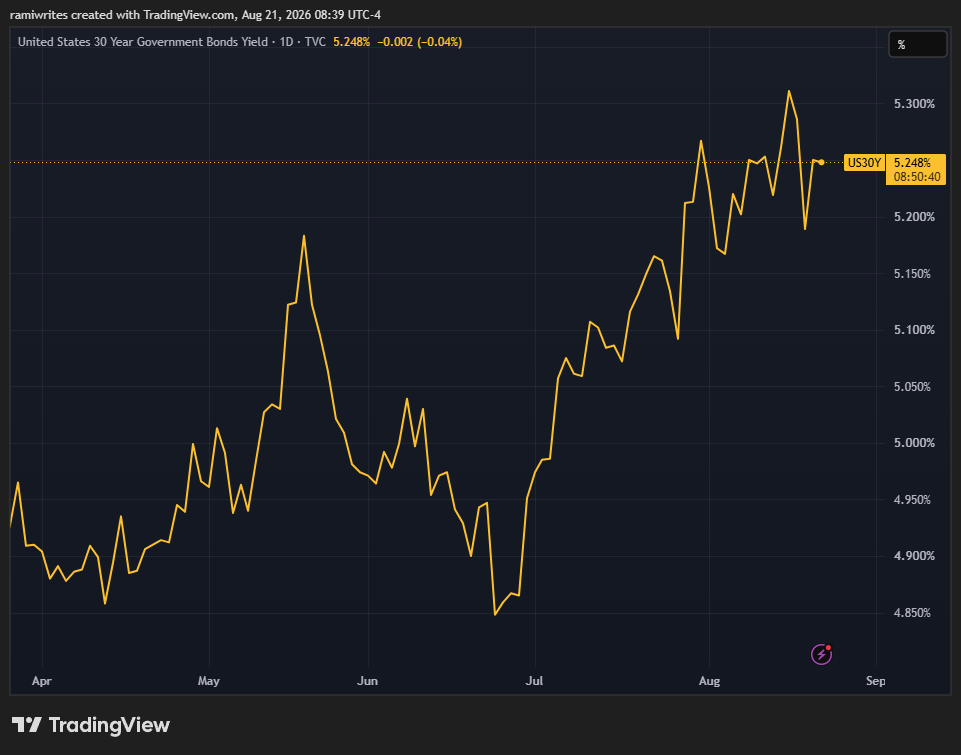
The market's response: the 30-year yield fell from 5.34% to 5.20%, then climbed back to 5.25% by this morning.
One day of relief, purchased with tomorrow's refinancing risk. Relief that has to be re-purchased daily is not relief. It's maintenance.
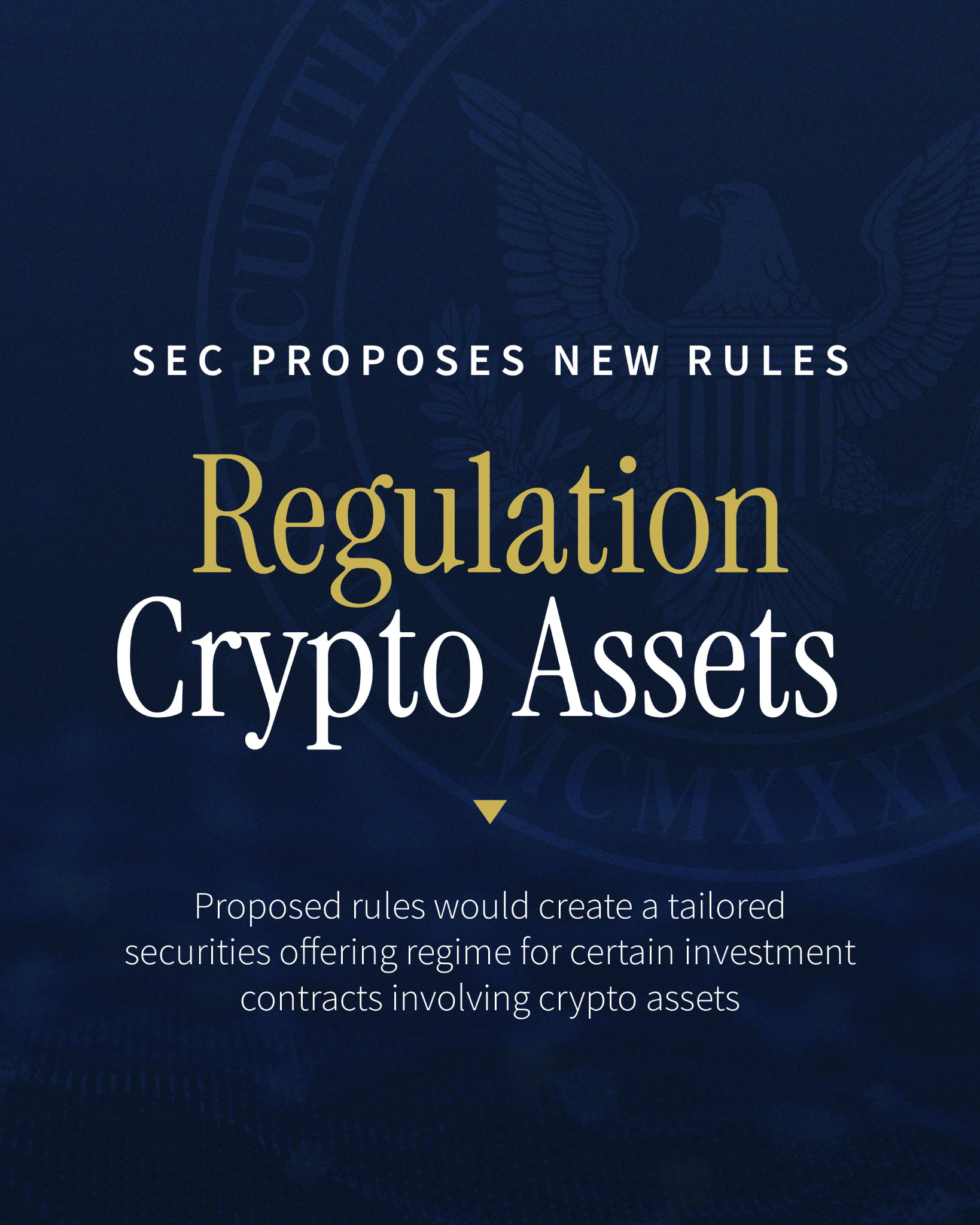
- The second headline is that Bitcoin jumped on crypto-friendly politics.
- What reality says: Bitcoin jumped on the dollar. The politics were scenery.
The timeline makes the case. Within 12 hours of the buyback announcement, Bitcoin (BTC) broke out of the $62,000-64,000 box it had lived in for two months, jumping 8% toward $69,500.
By Thursday: above $72,000. This morning in Asia: $79,518. Nearly 20% in a week, the biggest weekly gain in over two years.
Two accelerants made the move violent. Roughly $2.7 billion in bets against crypto got forcibly closed, and Bitcoin ETFs took in over $1.1 billion across Wednesday and Thursday, real money, not just short-covering.
Yes, the same week had a White House crypto event and a friendly new regulator meeting. Backdrop, not trigger. One strategist at a crypto asset manager called the buyback move “a quiet form of quantitative easing,” and whether or not that’s technically fair, that’s the reading the market traded.
The company Bitcoin kept confirms it: Ethereum (ETH) up 17% Thursday, gold at a two-month high near $4,540, silver at $67, the dollar index at its lowest since May.
Scarce assets repriced together, against one currency. That’s not a crypto story. That’s a dollar story.
- The third headline is yesterday’s, ours included: Walmart’s beat-and-raise proved the consumer is holding.
- What reality says: the market read the same report and voted minus 9%.
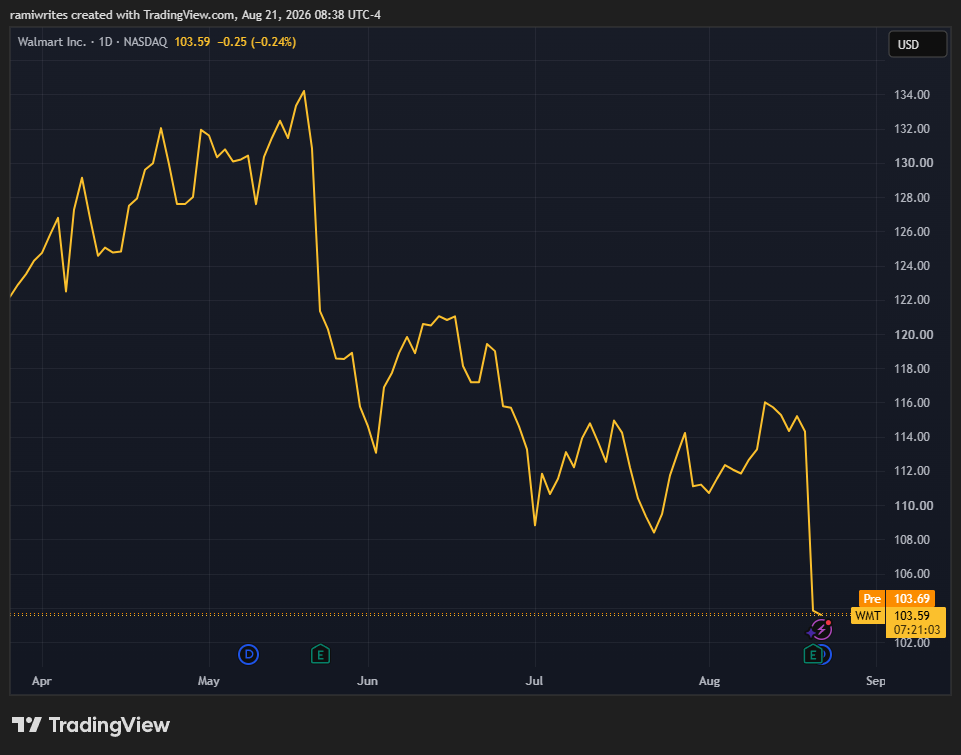
Walmart (NYSE: WMT) had its worst day since 2022 on the beat we covered yesterday morning. The Dow fell 704 points with it.
What the sellers saw: the softest US sales growth in more than six years underneath the raised guidance, and an executive note that lower-income shoppers behave as if gas costs $4 even when it doesn’t.
Add it to the month’s pattern: Applied Materials, record quarter, sold. Cisco, record orders, sold. Now Walmart, beat and raise, sold hardest of all.
In this market, growing slower while winning is still losing. The bar isn’t good results. It’s acceleration.
The consumer verdict stands where we left it: holding, with effort, and the market is done paying a premium for “holding.”
By the Time It's a Headline, It’s Already Too Late.
Bitcoin just posted its best week in two years, but the crowd only arrives at $79,000. The asymmetric gains happen earlier, in the small, early-stage assets most people never see until they've already run.
That's where Gems Uncovered lives: the native-market plays we put in your hands before they reach a mainstream exchange.

Featured Contributor
Today’s guest lands on the perfect week for it. You just watched money run into Bitcoin on dollar fear. Curzio Research is here with the mirror image almost nobody discusses: the corner of crypto that’s becoming one of the U.S. government’s most reliable lenders. If the debt math above worries you, this is the other half of the story. You can see the Curzio Research bio here…
Crypto Could Save the U.S. Dollar
For years, the fear around crypto has been the same:
If digital assets replace traditional finance, it will weaken the dollar’s grip on the global system.
But in truth, the opposite is happening.
One of the fastest-growing segments of crypto is reinforcing the dollar’s dominance.
In fact, this digital asset is doing something the U.S. desperately needs right now: creating a growing, global source of demand for U.S. government debt.
And almost no one is talking about it.
How Stablecoins Support the Dollar
Stablecoins are digital tokens designed to track the value of the U.S. dollar, typically on a one-to-one basis. The largest issuers, like Tether and Circle, maintain that ratio by holding reserves behind every token they issue. Those reserves are made up largely of cash and short-term U.S. Treasuries.
So when someone buys a stablecoin, that money gets parked in real, dollar-based assets, primarily government debt.
In other words, when global demand for stablecoins rises, demand for Treasuries rises with it.
And the latest data proves the demand is there.
The stablecoin market has grown from about $28 billion in 2020 to roughly $300 billion. And about 80% of stablecoin transactions take place outside the U.S.
What’s Driving International Demand for U.S. Treasuries?
In many parts of the world, stablecoins are becoming a practical alternative to local currencies. They give people access to dollars without needing a U.S. bank account.
That’s incredibly valuable in places dealing with currency volatility or limited access to banking.
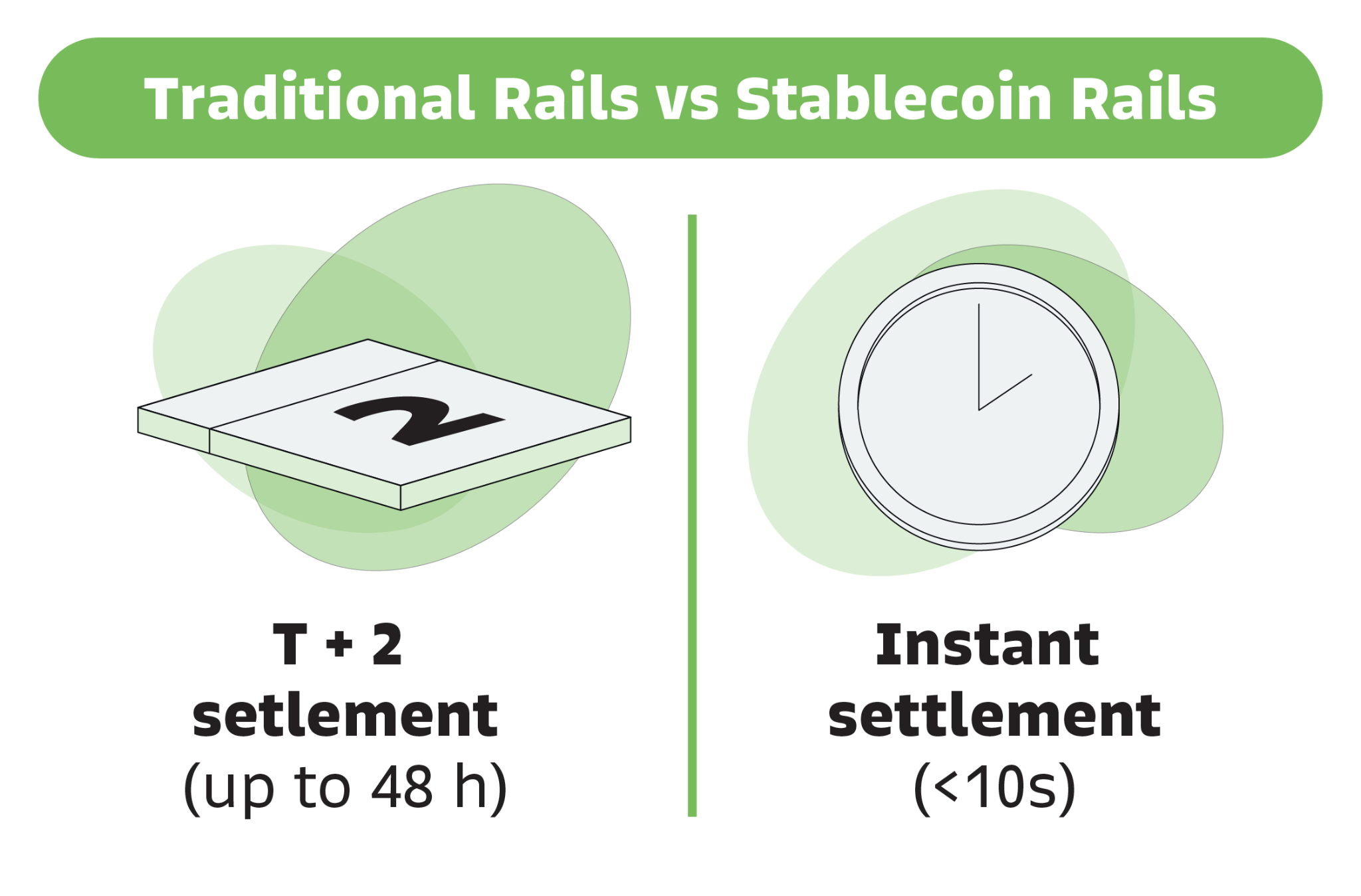
They’re also widely used for cross-border payments, trading, and moving money quickly without relying on traditional financial rails.
In other words, stablecoins are tapping into global demand for dollars, not just domestic demand.
Why This Matters Right Now
This dynamic couldn’t be more important given the current macro backdrop.
The U.S. deficit is running near $2 trillion, and rising. That means the government needs steady, reliable demand for its debt.
Historically, demand for Treasuries came from the Fed, foreign governments, and large financial institutions.
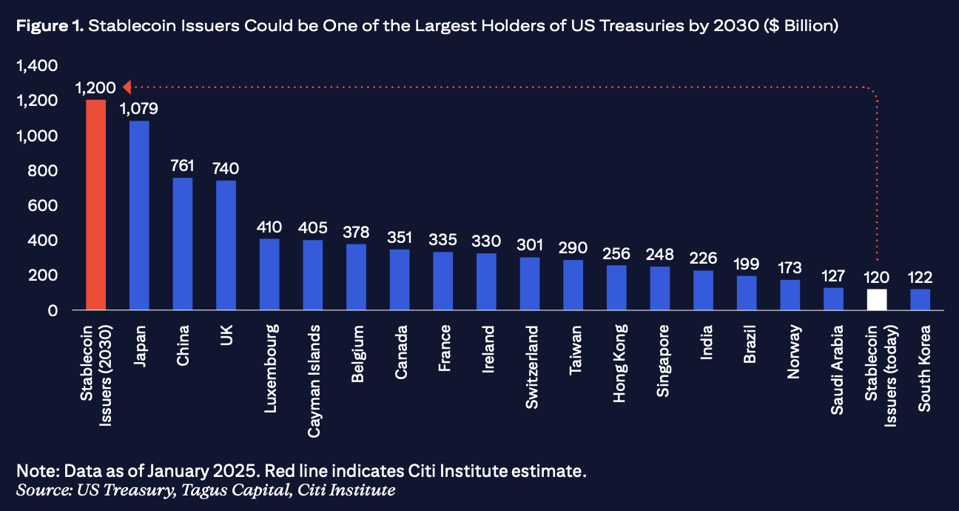
But stablecoins change the story. They’re creating a new layer of demand driven by real-world usage rather than policy or portfolio strategy. Citi projects the stablecoin market could reach as much as $4 trillion by 2030.
That would translate directly into hundreds of billions of dollars in demand for U.S. debt.
The Bigger Picture
Too many investors still consider crypto a threat to the U.S. dollar.
But the truth is, stablecoins aren’t a threat to the dollar; they’re a new distribution system for it. Every dollar that flows into stablecoins becomes demand for U.S. assets.
And in a world where the U.S. needs more buyers of its debt, that matters.
Crypto may not have been designed to support the U.S. financial system… But that’s exactly what it’s starting to do.
That was Curzio Research.
Two numbers to sit alongside the essay, both from this week’s world.
Tether alone now holds about $141 billion in U.S. Treasuries, ranking among the 20 largest holders of American debt on Earth, bigger than most countries. And the Treasury Secretary himself projects stablecoins growing to $2 trillion or more by decade’s end, calling them a coming “surge in demand” for the very bonds his department spent this week defending.
The week’s two stories are one story. Fear of the dollar sends money into Bitcoin. Demand for the dollar sends money into stablecoins, which buy the debt. Crypto is now on both sides of America’s balance sheet.
The full research behind trends like these, with the trends Frank Curzio’s team is tracking and the exact positions they’re taking, lives inside Curzio Alpha.
Curzio Research is a paid partner of Future Finance. The views and analysis above are Curzio Research’s, not Future Finance research or advice. As always, do your own diligence.
💭 Today’s Final Thought
On Wednesday I told you the market believed the buyer, not the document. The rest of the week finished that sentence.
The bond market stopped believing the buyer within a day. Bitcoin and gold started believing something bigger: that a government buying its own debt at $40 trillion is answering a question nobody asked out loud.
Two corrections, on the record, because the record is how this newsletter keeps score. SpaceX sits below $135, not the $146 we quoted Monday. And gold deserves precision: this is a two-month high, with January’s record still well above it.
Next week delivers three documents that outrank everything in this one: Bessent on Monday, Nvidia on Wednesday, Warsh on Friday.
The month’s verdict arrives in five days. Position before it does.
Editor in Chief | Future Finance
One Subscription. The Entire Gems Uncovered Research Library.
You just read why the surface of the news rarely tells the whole story.
Gems Uncovered is built on that same principle. It’s our weekly research briefing on early-stage assets and native market access, the opportunities that build real wealth before they ever reach a mainstream exchange.
One level beneath the headlines is where the edge lives.
Disclaimer: This content is not financial advice, it is for informational purposes only. All investments involve inherent risk. Any financial decisions you make are solely your responsibility.
Latest


Editor's Picks


Become a sharper capital allocator in 5 minutes a day.
Institutional-grade research on where the smartest capital is positioning, across AI, energy, biotech, robotics, and digital assets. Distilled into a daily read you finish before your coffee does.
Join 45,000+ readers · No spam · Unsubscribe anytime