
12 pages. 1 word.
The Fed’s word was worth the wait, Walmart raised its outlook, and Tuesday’s prediction gets graded in public →
August 20, 2026
·
8 Min Read



The briefing serious investors read first.
Free analysis before markets open. Start thinking in decades, not days.
Join 45,000+ readers · No spam · Unsubscribe anytime
📊 Today’s Big Picture
On Tuesday I showed you how to read a Fed document. Yesterday at 2 p.m., the document arrived. Today I keep my promise.
The question we planted: did the three officials who voted for a rate hike have company in that room?
The Fed’s answer, in its own counting language: “several.”
“Several participants favored an increase of 25 basis points in the target range at this meeting.”
Only three of them could vote. On the ladder I showed you, several outranks a few.
The hawk camp was bigger than the vote.
And the bench ran deeper: “many” participants said tightening would likely be necessary if inflation doesn’t decline.
So why did stocks rise yesterday?
That story involves a move the Treasury made one hour before the minutes landed, and it’s the best trading lesson of the week.
Also this morning: Walmart answered checklist box one, with a raise.
The full decode is below, right after today’s three headlines.
🔍 Signal vs. Noise
Three Headlines, Three Realities
- The first headline is that hawkish minutes should have hit the market.
- What reality says: stocks rose, and the reason is a lesson worth keeping.
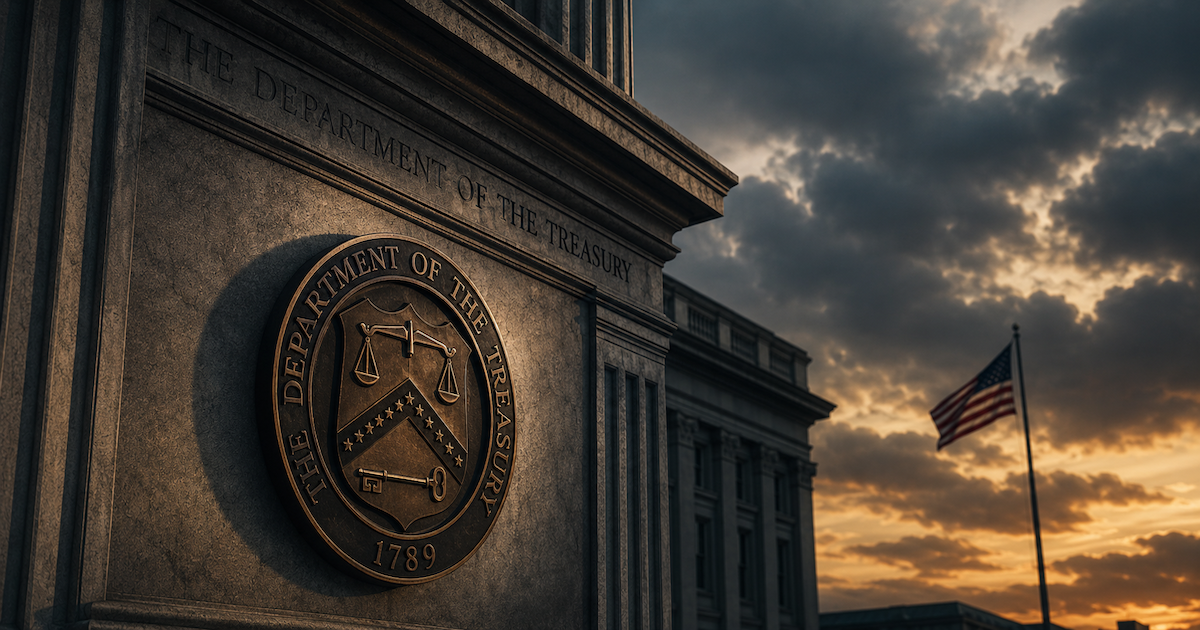
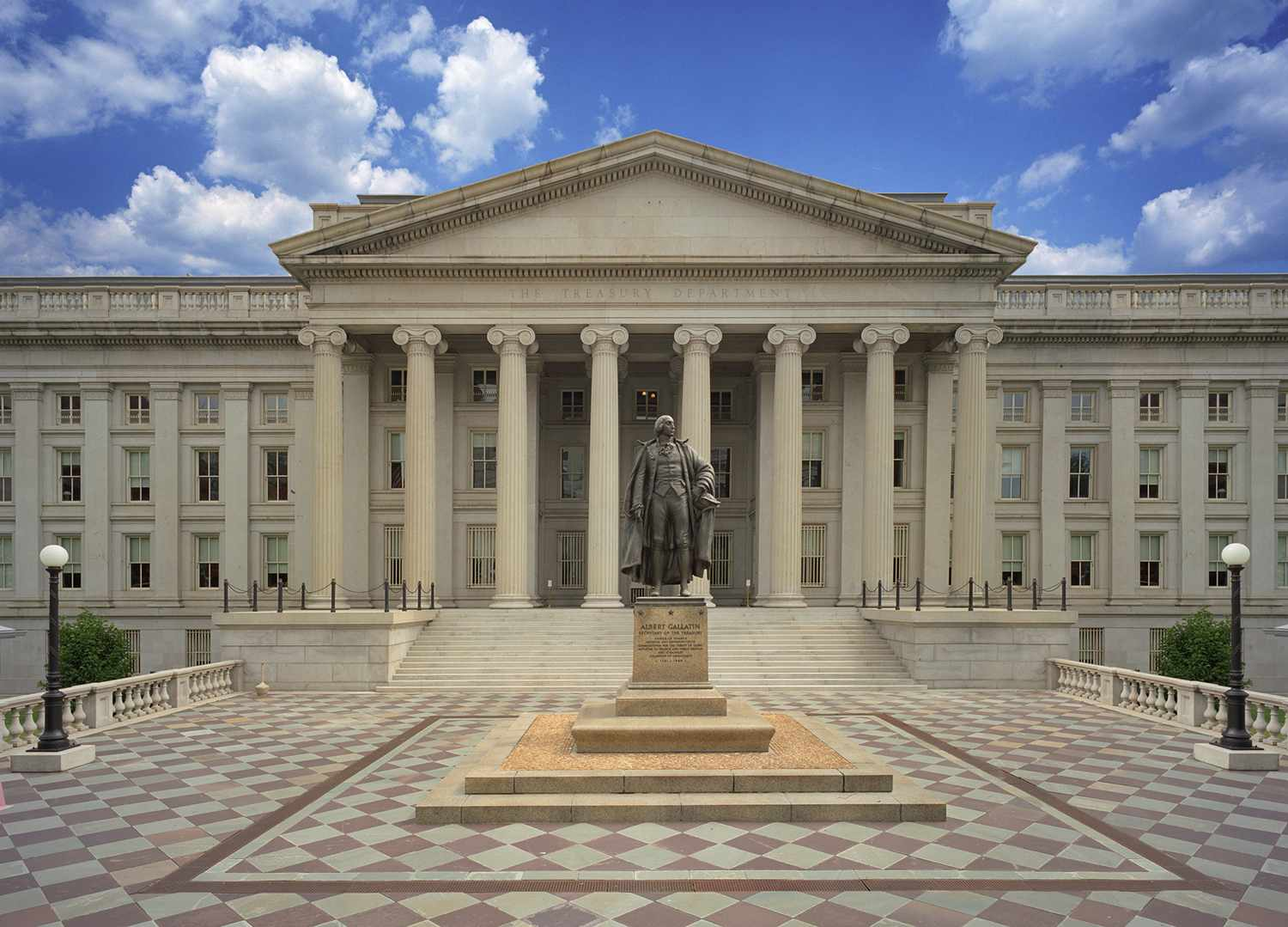
One hour before the minutes, the Treasury announced it would at least double its buybacks of 10-to-30-year bonds, to $4 billion or more per operation.
Translation: the government stepped in as a bigger buyer of its own longest debt, two days after the 30-year yield hit a 19-year high of 5.34%.
It worked. The 30-year fell to about 5.196%, and stocks posted their first gain in four days, the S&P up 0.21% to 7,707.98.
When two stories collide at 2 p.m., the price tells you which one the market believed. It believed the buyer, not the document.
Now the grading, since I put Tuesday’s call on the record. Hawkish-sounding minutes: correct. A market that flinches, then remembers the calendar: half wrong, because the flinch never came. Markets skipped straight to the calendar. The thesis held; my choreography didn’t. Half credit, lesson kept.
- The second headline is that Walmart just proved the consumer is fine.
- What reality says: box one came back with a raise on top and a warning underneath.
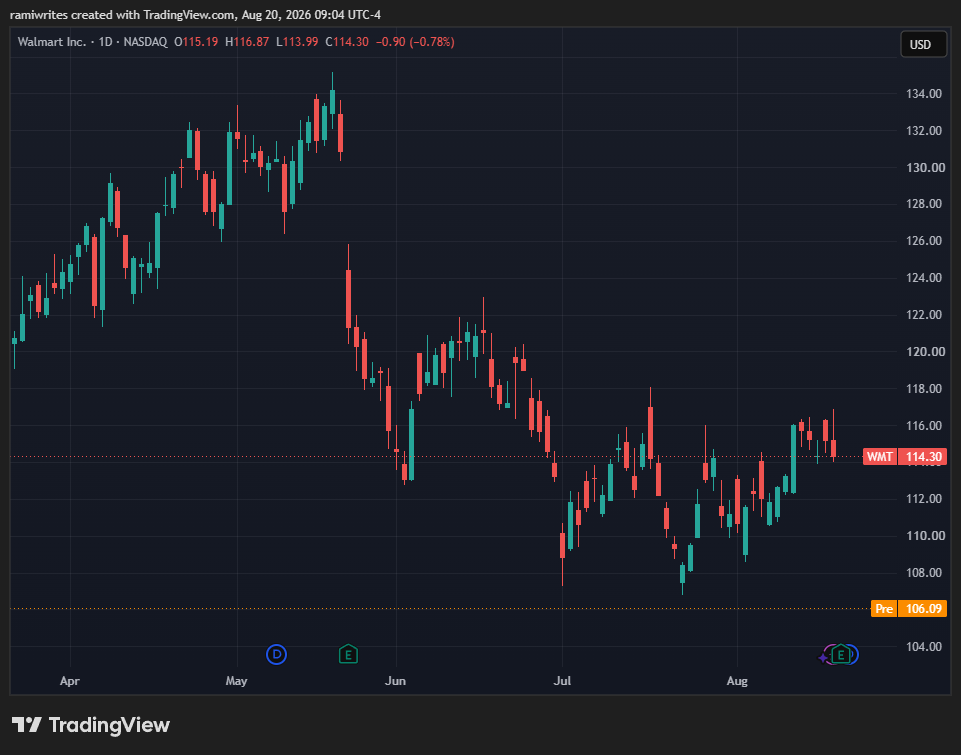
The beat was real: $0.81 per share against $0.74 expected, revenue up 5.9%, and full-year guidance raised, the closest thing to second-half confidence a retailer can print.
The warning sits in one number: US comparable sales grew 2.6%, the softest since early 2024.
And Tuesday’s earnings-quality lesson got a sequel at Target. Its headline profit doubled, but a one-time $994 million tariff refund supplied about 40% of it. Strip the refund and the beat was modest. Investors spent the day haggling over exactly that difference.
Read the scorecard together: Walmart executing, Target flattered, TJX cautious on next quarter, Home Depot taking share in a frozen market.
The consumer is holding. Unevenly, with government refunds doing some of the lifting.
- The third headline is that the Fed can breathe easier now.
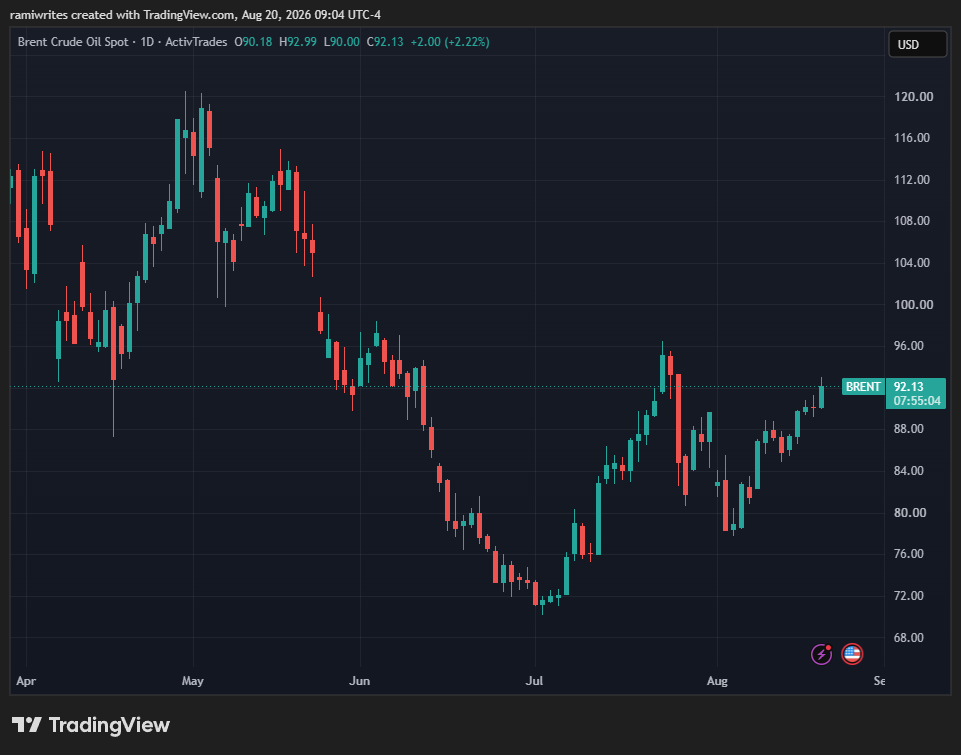
- What reality says: Brent crude touched $93 this morning.
Every dollar of that feeds the September 10 inflation report, which lands five days before the decision, and it’s precisely the “upside risk” the several-and-many hawks named in the minutes.
The document and the oil market are now making the same argument from three weeks apart.
The dovish case rests on the four soft reports. The hawkish case refuels daily at the loading docks of the Persian Gulf. September 15-16 is where they meet.
Watch the collision, not the headlines.
The Fed Decides September 15-16. Tan’s Urgent Briefing Is How You Get Ready.
A Fed room that itched, a calendar that argues patience, oil at $93, and one decision on September 15-16 that prices all of it.
Nobody can trade a setup like that. But you can position for it.
Tan Gera’s urgent briefing walks through the full ABN system: the exact structure our 4,500+ members use to stay protected whichever way September breaks.
Watch it before the decision, not after.
Watch Tan’s urgent briefing right here…

Featured Contributor
The contributor chair stays mine one more day. On Tuesday I handed you the reading guide. Today, the reading: what the July minutes said, what they accidentally proved, and what it all changes for September. You can see my full bio here…
The Decode
I read all 12 pages last night so you don’t have to. Here’s what the framework caught.
The count. Start where I told you to start, the participants’ section, and the ladder pays off immediately.
- “Several” wanted a hike on the spot. That’s at least four of the 19 people in the room, and only three of them had votes to cast. Somewhere at that table sat a hawk, or hawks, without a ballot.
- “Many” said tightening would likely be necessary if inflation didn’t come down. That’s the conditional camp, and many sits two rungs higher on the ladder.
- “Some” went further and questioned whether current rates are restrictive enough at all.
Against all that: “most” supported holding. The majority held the gavel, and a hawkish minority held the energy in the room.
The worries. The committee judged inflation risks “skewed to the upside,” with the Middle East conflict clouding the outlook. One genuine surprise: the inflation culprits they named include the AI buildout itself, chips, steel, electricity, even the wages of electricians and machinists. The technology cooling nothing is heating prices.
The curiosities. Chair Warsh floated cutting the Fed’s schedule from eight meetings a year to six. No decision, but file it: fewer meetings means each one carries more weight. And the staff flagged that stock valuations by one measure have only been richer during the dot-com bubble, with hedge fund borrowing near all-time highs. The Fed sees the same froth you do.
The accidental confession. Here’s my favorite find, page for page. The staff described job gains running “well above” last year’s pace.
That sentence was written before August 7, when we learned the economy lost 23,000 jobs in July.
One line, and it proves everything I told you Tuesday: this document describes a world that no longer exists. Every hawkish sentence in it was composed before the negative jobs number, the cool inflation report, the flat wholesale print, and the retail pullback.
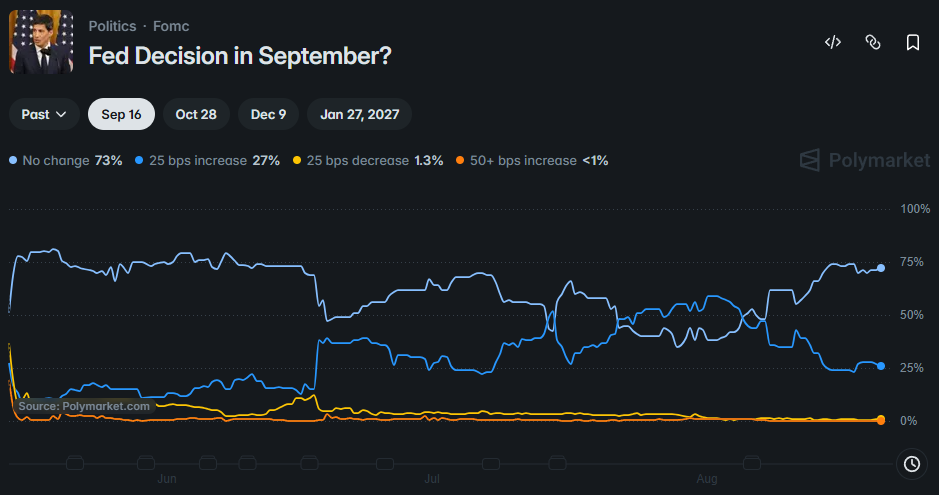
What it means for September. The room leaned more hawkish than the 9-3 vote showed. The calendar leans the other way, and the calendar has fresher information. The odds of a September hold sat near 68% before the minutes and near 68% after. The market read it exactly the way you now know how to.
The next word from the Fed comes with all the new data in hand: Warsh speaks at Jackson Hole next Friday, August 28. That speech outranks this document.
One more thing. Decoding public documents is a skill, and now you have it. But every professional on Wall Street read the same 12 pages within minutes of release. The edge isn’t in reading September’s collision better. It’s in being positioned before it arrives.
My colleague Tan Gera put the complete framework for exactly that into an urgent briefing: the ABN system our 4,500+ members use to stay protected whichever way September 15-16 breaks.
Watch it before the decision, not after.
Watch Tan’s urgent briefing here…
💭 What To Watch For
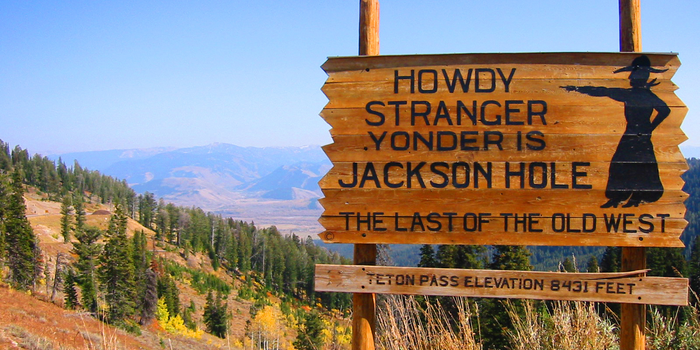
- Circle Friday, August 28: Warsh’s Jackson Hole keynote, the first Fed statement written with all four soft reports in hand. It replaces the minutes as the document that matters.
- Watch Nvidia (NASDAQ: NVDA) next Tuesday, August 26. The AI profit trial’s closing argument, now with the Fed itself citing AI as an inflation force.
- Listen for the CFTC’s crypto meeting readout this afternoon, regulators building rules while the Senate’s September 15 vote waits.
- Track SpaceX (NASDAQ: SPCX) through the unlock window, and Brent at $93 every day between here and the September inflation report.
💭 Today’s Final Thought
Monday’s checklist, final grades.
Box one, the consumer: Walmart raised its outlook while its US growth slowed. Holding, with effort.
Box two, itching or patient: the honest answer is both. The room itched, “several” and “many” deep. The calendar counsels patience, and the calendar has better information.
Box three, Brent against $90: broken, and then some. $93 this morning.
Add it up and September 15-16 is now a genuine collision: soft demand data arguing hold, oil-fed inflation arguing hike, a CLARITY Act vote the same afternoon, and a Fed chair who tells no one his plans until he speaks next Friday.
You spent this week learning to read the Fed’s language, spot a stale document, and check an earnings beat for padding. That toolkit is the point. The news will keep changing. The reading doesn’t.
Editor in Chief | Future Finance
One Subscription. The Entire Gems Uncovered Research Library.
You just read why the surface of the news rarely tells the whole story.
Gems Uncovered is built on that same principle. It’s our weekly research briefing on early-stage assets and native market access, the opportunities that build real wealth before they ever reach a mainstream exchange.
One level beneath the headlines is where the edge lives.
Disclaimer: This content is not financial advice, it is for informational purposes only. All investments involve inherent risk. Any financial decisions you make are solely your responsibility.
Latest



Editor's Picks

Become a sharper capital allocator in 5 minutes a day.
Institutional-grade research on where the smartest capital is positioning, across AI, energy, biotech, robotics, and digital assets. Distilled into a daily read you finish before your coffee does.
Join 45,000+ readers · No spam · Unsubscribe anytime