
Trillions will move on one word tomorrow…
There's 1 mistake many people will make. →
August 18, 2026
·
8 Min Read




The briefing serious investors read first.
Free analysis before markets open. Start thinking in decades, not days.
Join 45,000+ readers · No spam · Unsubscribe anytime
📊 Today’s Big Picture
Tomorrow at 2 p.m. Eastern, the financial world will stop and read the notes from a meeting that ended three weeks ago.
I’m not exaggerating.
The Fed’s minutes, a carefully lawyered summary of its July debate, can move trillions in an afternoon.
And tomorrow’s edition comes with a twist: that meeting happened before everything changed.
- Before jobs went negative.
- Before inflation cooled, twice.
- Before shoppers pulled back.
Four soft reports in a row, and the document dropping tomorrow knows about none of them.
Wall Street will read it anyway. So will I, because there’s a right way to read a stale Fed document and a wrong way, and the difference is worth real money.
So today I’m taking the Featured Contributor chair myself, with my personal guide to reading the minutes like a professional.
First, this morning’s live news: Home Depot just beat, and the details say plenty about your neighbors’ wallets.
By the end of this issue, tomorrow won’t have any surprises for you.
🔍 Signal vs. Noise
Three Headlines, Three Realities
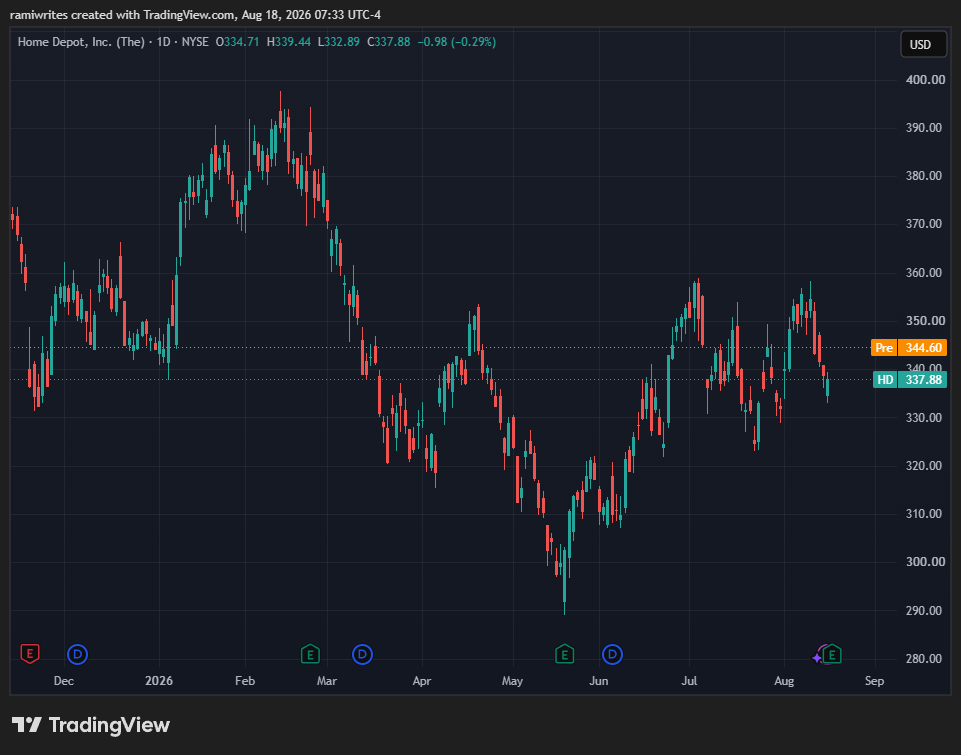
- The first headline is that Home Depot’s beat means the consumer scare was overblown.
- What reality says: read the ingredients of the beat before you celebrate.
I read earnings releases so you don’t have to, and one word from Home Depot’s (NYSE: HD) finance chief did more work than the entire press release: “frozen.”
That’s his description of the housing market, delivered minutes after reporting $47.9 billion in revenue and the company’s best sales growth since 2022.
Both things are true, and here’s how. Nobody is buying houses, so people are fixing the ones they have, in smaller projects. And Home Depot is taking share, winning a bigger slice of a pie that isn’t growing.
Remember, overall retail sales fell in July. Home Depot growing through that isn’t proof the consumer is fine. It’s proof the strongest player wins the slow months.
The real consumer verdict comes Thursday, from the company that sells groceries. Walmart talks Thursday.
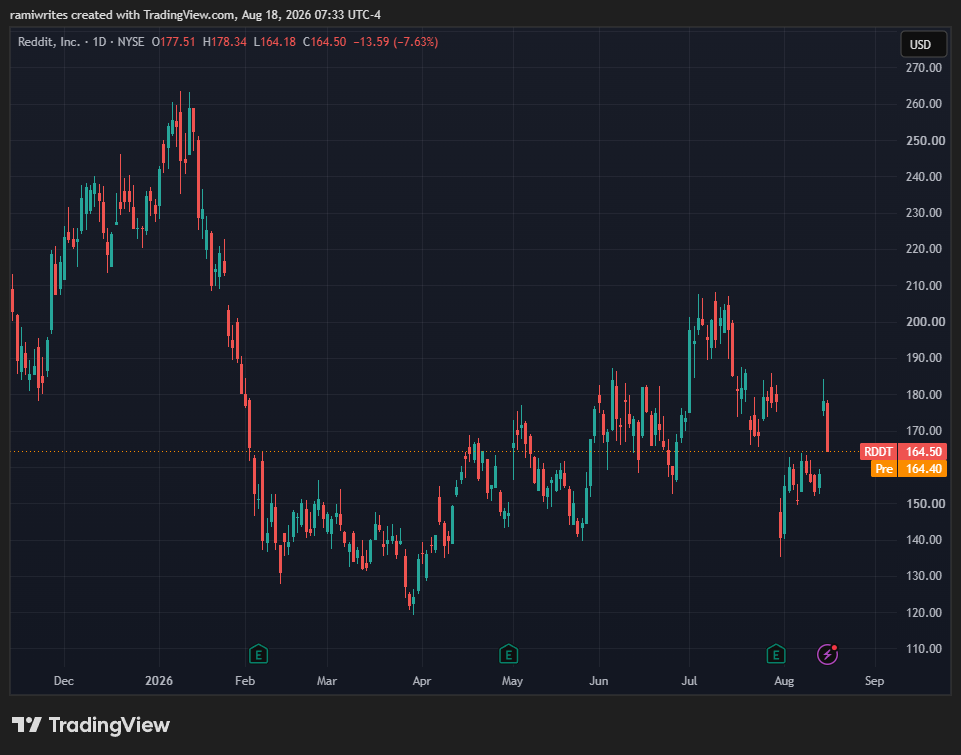
- The second headline is that joining the S&P 500 is Wall Street’s stamp of approval.
- What reality says: it’s a mechanical event, and Reddit just demonstrated the difference.
Reddit (NYSE: RDDT) officially joins the S&P 500 today. Sounds like a coronation. The stock fell 7% yesterday.
Here’s the lesson worth keeping. Index inclusion means every fund that tracks the S&P must buy the stock, regardless of price, quality, or judgment. It’s plumbing, not praise.
And once the forced buying is done, the stock goes back to trading on what it’s worth, which is where Reddit’s problem starts: it trades at roughly 40 times its sales, a price that assumes years of perfection.
A committee changed the index. It didn’t change the company.
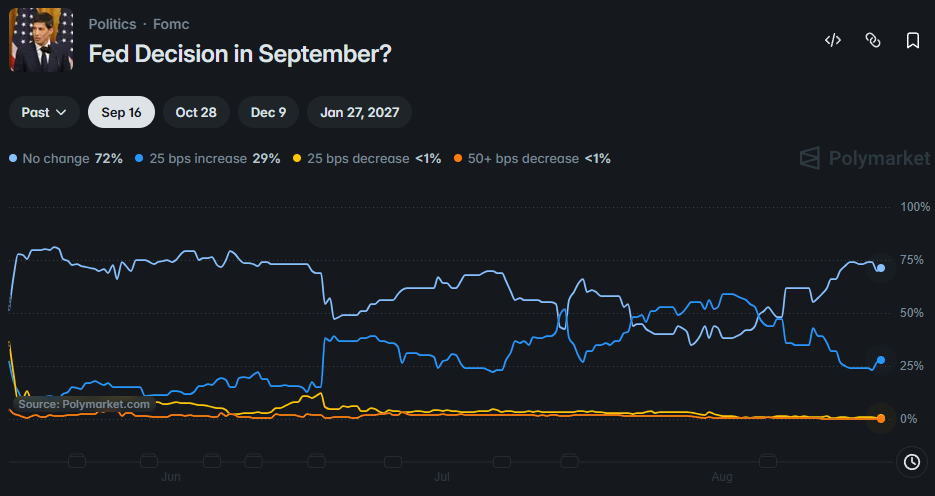
- The third headline is that tomorrow’s minutes will tell us what the Fed does next.
- What reality says: they’ll tell us what the Fed thought three weeks ago, which is a different product.
Quick scene-setting for tomorrow. At that July meeting, the Fed voted 9-3 to hold rates, and the three dissenters all wanted a hike. Three officials pushing the same direction hadn’t happened since September 2016.
So the minutes will read hawkish in places. Count on it.
But the market has moved on: after four soft reports, the odds of a September hold sit near 68%.
Which sets up tomorrow’s real question, the one my essay below answers: what do you do with a hawkish document from a world that no longer exists?
Keep reading. This is the fun part.
Everyone Will Read Tomorrow’s Minutes. Almost Nobody Reads the Research.
This week is wall-to-wall public information: Fed minutes, retailer earnings, economic data.
By the time it reaches a headline, it’s too late.
Gems Uncovered works the other direction: weekly research on early-stage assets and native market opportunities before they’re consensus, with the thesis, the evidence, and the risks in plain English.
Public documents protect you from mistakes. Research is where returns come from.

Featured Contributor
Today, a different contributor: me. Before Wall Street opens tomorrow’s Fed minutes, I want to hand you the reading guide I wish someone had given me years ago. You can see my full bio here…
The first time I watched a Fed minutes release hit the market, I assumed something had broken.
It was a slow afternoon. Then, at exactly 2 p.m., bond yields jumped, screens went red, and grown professionals started arguing about a document describing a meeting held three weeks earlier.
Old news moved billions in minutes. Nobody around me found this strange.
It is strange.
And tomorrow it happens again, so let me teach you the rules of this odd ritual, because misreading it costs real money and reading it well is a genuine edge over the people skimming headlines.
What This Document Is, & What It Isn’t
Start here: the minutes are not a transcript. 19 policymakers debated for two days; what you’ll get tomorrow is a staff-written, committee-approved summary, sanded smooth by people who choose every word knowing markets will parse it.
The Fed is the only institution I know that can make 19 economists arguing sound like a weather report.
The three-week delay is deliberate, and the document even admits its own limitation in boilerplate: it reflects only the information available at the time of the meeting.
Hold that thought. It’s about to matter more than usual.
The Two Crowds Inside
One distinction unlocks the whole document.
“Participants” means all 19 attendees, voters and non-voters alike. Their section is where the real debate lives, the range of views, the worries, the disagreements.
“Members” means only the 12 who vote. Their paragraphs are consensus language, smoothed for the record.
So read the participants’ discussion first. That’s where you learn whether the three officials who voted for a hike had silent company in the room.
The Secret Counting Language
Here’s my favorite part, and I promise it’s real.
The Fed almost never gives you numbers. Instead, its own drafting conventions rank the crowd sizes: a couple, then a few, then some, then several, then many, then most, then almost all.
That ladder comes from the Fed’s own research notes. Trillions of dollars trade on the difference between “several participants” and “many participants.” Welcome to my world.
Tomorrow, the phrase to hunt for is anything counting the officials open to a September hike. “A few” means the three dissenters stood alone. “Several” or “many” means the hawk camp ran deeper than the vote showed, and that’s the detail that would move markets.
Now, the Trap
Everything above tells you how to read the document. This part tells you how not to be fooled by it.
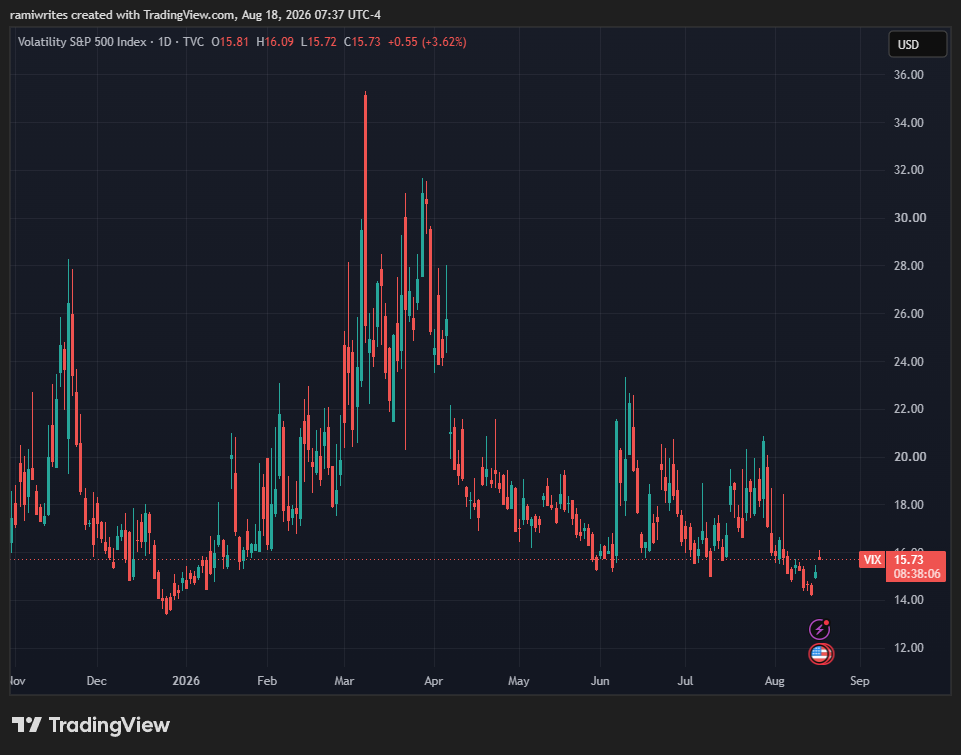
The meeting these minutes describe ended on July 29. Since then: the first negative jobs month of this cycle, a cool inflation report, a flat wholesale-price report, and the biggest retail-sales drop in over a year. Four soft reports, all after the ink dried.
So when the minutes read hawkish tomorrow, and parts of them will, ask the only question that matters: would those same officials say this today, knowing what we now know?
For what it’s worth, research from inside the Fed system found that short-term bond markets get roughly three times more volatile on minutes days. More recent studies suggest the effect has faded as the Fed communicates more between meetings. Both findings fit tomorrow: expect a reaction at 2:05, and expect it to be smaller and shorter-lived than the headlines will imply.
A three-week-old document can start a move. It rarely finishes one.
What Each Outcome Means for You
Two scenarios cover tomorrow.
If the minutes show broad hike support, beyond the three dissenters: expect September odds to tighten, yields to pop, gold to wobble. My read: that reaction deserves skepticism, because the hawkish case was written before the soft data arrived. Fast moves on stale information tend to retrace.
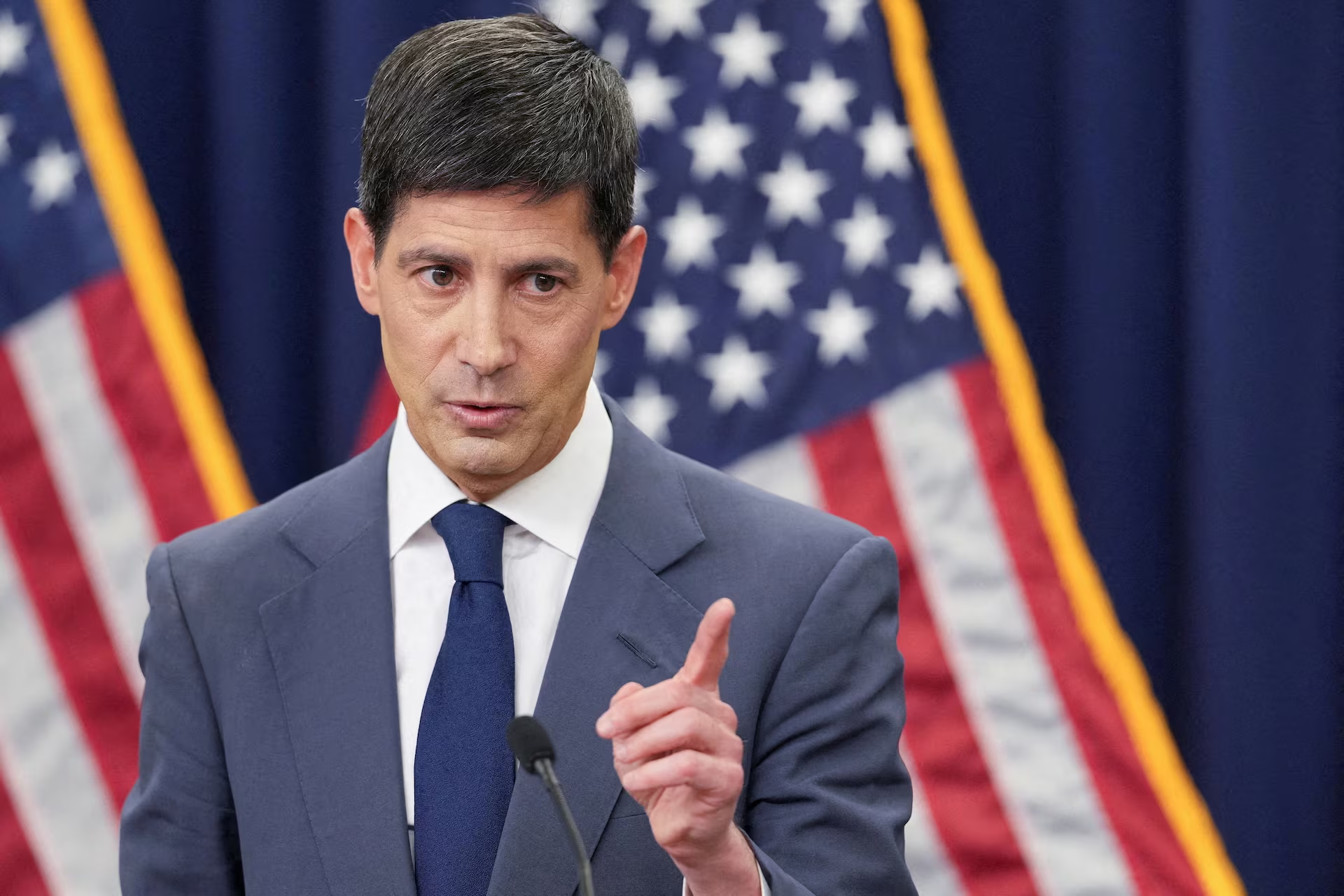
If the minutes show a firm, patient majority: the 68% hold odds harden, and the market relaxes. The risk there is complacency, because the decisions that count come later: Chair Warsh speaks at Jackson Hole on August 28, and the next inflation report lands September 10, five days before the Fed decides.
Either way, tomorrow is a chapter, and September 15-16 is the book.
One more thing. The minutes are the most public document in finance; every professional on earth reads them within minutes, which is exactly why the lasting edges live elsewhere.
The Gems Uncovered briefing from the team at Decentralized Masters is where we do that other work every week: the research on assets before they reach everyone’s screen.
💭 What To Watch For
- Read the minutes tomorrow at 2 p.m., participants’ section first, counting words in hand. Target (NYSE: TGT) and Lowe’s report that morning.
- Listen to Walmart (NYSE: WMT) Thursday. Groceries reveal what home improvement can’t: whether everyday spending is holding. The CFTC’s crypto meeting runs the same day.
- Watch SpaceX (NASDAQ: SPCX) Wednesday, when roughly 319 million insider shares unlock. The first unlock passed calmly. Second tests are rarely identical.
- Track Brent against $90. Tanker transits through Hormuz nearly stopped this weekend: five ships Saturday, zero Sunday, against 31 the weekend before. That statistic feeds September’s inflation report.
💭 Today’s Final Thought
Monday I handed you a checklist for the week. This morning, the first box got a pencil mark.
Home Depot says the consumer is maintaining, not collapsing: smaller projects, steady spending, a frozen backdrop. Call it half an answer, with Walmart holding the other half until Thursday.
Tomorrow the second box: itching or patient. You now know how to check it yourself, counting words and all.
Here’s my honest position going in. I expect hawkish-sounding minutes and a market that flinches, then remembers the calendar. The four reports that arrived after that meeting are simply better information than the meeting itself.
Read the old document. Trust the new data. And keep Thursday’s grocery aisle verdict circled, because it will outweigh both.
Editor in Chief | Future Finance
One Subscription. The Entire Gems Uncovered Research Library.
You just read why the surface of the news rarely tells the whole story.
Gems Uncovered is built on that same principle. It’s our weekly research briefing on early-stage assets and native market access, the opportunities that build real wealth before they ever reach a mainstream exchange.
One level beneath the headlines is where the edge lives.
Disclaimer: This content is not financial advice, it is for informational purposes only. All investments involve inherent risk. Any financial decisions you make are solely your responsibility.
Latest
.avif)

.avif)
Editor's Picks

Become a sharper capital allocator in 5 minutes a day.
Institutional-grade research on where the smartest capital is positioning, across AI, energy, biotech, robotics, and digital assets. Distilled into a daily read you finish before your coffee does.
Join 45,000+ readers · No spam · Unsubscribe anytime