

One tanker moved every market
The Iran ceasefire just collapsed, and every market moved before breakfast. Here's what it means for your money. →
July 8, 2026
·
8 min read



The briefing serious investors read first.
Free analysis before markets open. Start thinking in decades, not days.
Join 45,000+ readers · No spam · Unsubscribe anytime · No card needed
📊 Today’s Big Picture
For three weeks, the market has been trading one story. Peace with Iran.
This morning, that story fell apart.
President Trump said the ceasefire with Iran "is over" after the two sides traded strikes across the Middle East.
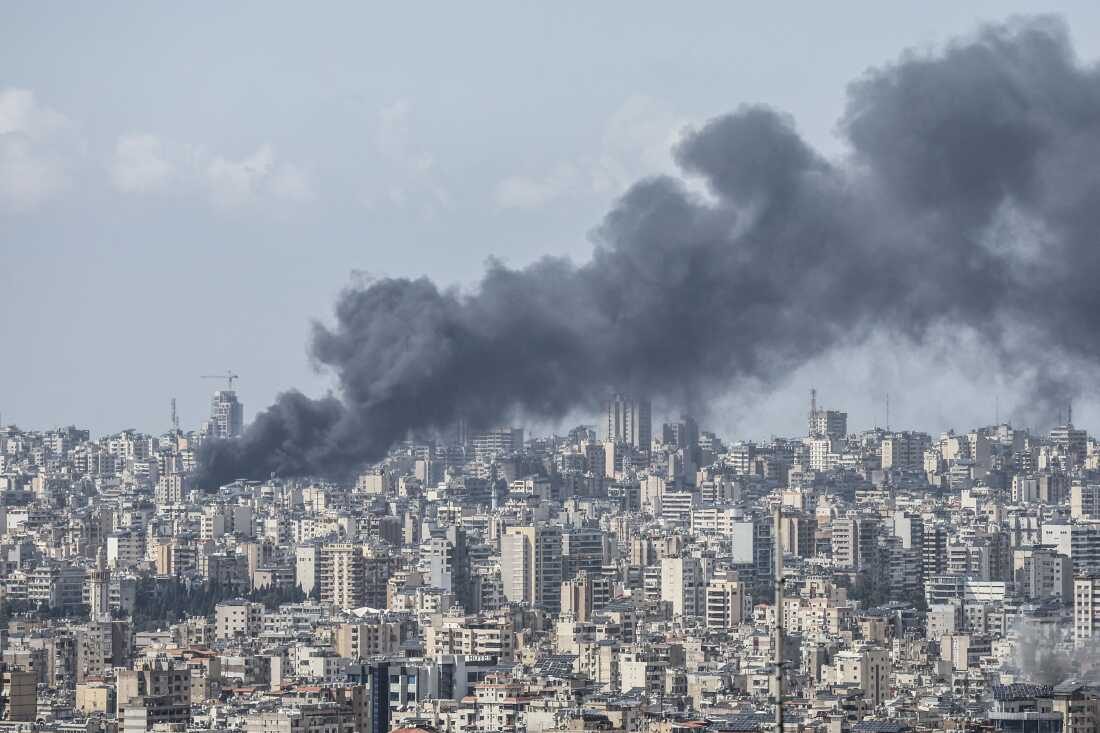
It started at sea. Iran attacked commercial ships in the Strait of Hormuz, the channel that carries a fifth of the world's oil.
The US struck back at more than 80 targets inside Iran and cut off Iran's ability to sell its oil. Iran hit US bases in the Gulf.
Markets moved fast.
- Brent crude jumped toward $76 a barrel, its biggest daily gain since May.
- The 10-year Treasury yield climbed to a one-month high near 4.56%.
- Stocks cratered at the open, and Asian markets fell hard overnight.
Here’s the part that reaches your wallet.
Cheaper oil was the main reason inflation was cooling and the Fed was free to consider cutting rates. That just reversed.
One tanker in the Gulf has put the whole rate-cut story back in doubt.
By the end of this issue, you will understand why a war half a world away runs straight through oil, into inflation, and onto your money.

🔍 Signal vs. Noise
Three Headlines, Three Realities

- The first headline is that the Iran ceasefire falling apart is a foreign-policy story.
- What reality says: for your money, it’s an interest-rate story.
The headlines are about strikes, ships, and diplomacy. That part is real and serious.
But the piece that hits your investments runs through one thing: oil.
When the Gulf flares up, oil rises. Higher oil feeds into higher prices at the pump and across the economy. Higher prices push the Fed to keep interest rates high.
And interest rates move stocks, bonds, and digital assets all at once.
So a war headline lands on your portfolio as a rate story.
Follow the chain: the Strait of Hormuz runs straight to the Fed.

- The second headline is that last week's weak jobs report put rate cuts back on the table.
- What the math says: this oil spike is what takes them back off.
Just days ago, a soft jobs report had markets betting the Fed would ease. Cheaper oil was a big reason the path looked clear.
That reason is unwinding in real time. Oil is climbing, and the 10-year Treasury yield just rose to a one-month high.
The Fed cannot ease into a fresh oil shock without risking another wave of inflation.
The rate-cut hope from a week ago is the first casualty of this war coming back.
The economy did not change overnight. The oil price did.
- The third headline is that Bitcoin is your wartime safe haven.
- What reality says: today it traded like a risk asset, not a shelter.
The pitch is that when war breaks out, you hide in gold and Bitcoin (BTC).
That is not how they behaved this morning. Both slipped as the news hit, gold near $4,110 and Bitcoin near $62,500.
The reason is the same force from the first headline. Rising yields and a strong dollar pull on them harder than the war headlines push.
Over years, scarce assets have protected against a lot. Over a single volatile morning, they answer to interest rates like everything else.
A safe haven for the long run is not the same as a hedge for today.
The noise says this is a war story, rate cuts are still coming, and gold and Bitcoin will shelter you.
The signal says it is a rate story, the oil spike just threatened those cuts, and today the havens moved with the risk. I know which side I'm paying attention to.

Behind the Headlines
Today, Decentralized Masters CEO Tan Gera on what history says happens after a war shock like this one, and why the instinct to act on it is usually wrong.
A war just “restarted,” and the headlines want you to do something about it.
Buy this, sell that, brace for impact.
Before you act on any of it, let me show you what usually happens after a shock like this.
August 1990: The Last Time Oil Went To War
In August 1990, Iraq invaded Kuwait. It was a genuine oil shock. Within weeks the price of oil roughly doubled.
The stock market did what you would expect. It fell hard, dropping around 20% into the autumn.
Investors panicked.

The headlines were full of recession and a wider war. Selling felt like the safe thing to do.
Then the fighting actually began in January 1991, and the market did the opposite of what fear predicted. It bottomed almost the day the war started, and stocks went on to one of their best years of the decade.
The people who sold the headline locked in the loss. The people who held came out ahead.
Why The Shock Rarely Plays Out As Feared
This is the pattern with geopolitical shocks. The fear is loudest before and during the first headlines. Markets price the worst case fast, then recover as the world turns out to be more durable than the panic assumed.
It is close to impossible to trade around. The move happens before you can react, and the reversal comes when it feels worst.
You saw a version of it this year already. Oil spiked when the Iran war began, then round-tripped when peace came. Anyone jumping in and out got whipsawed both ways.
The All-Weather Answer
There is a calmer way to own your money through this. We call it All-Weather.
Instead of guessing whether the war spreads or settles, you hold a mix built for every version of the story:
- Energy and real assets that rise when an oil shock hits.
- Assets that hold value when growth slows.
- Scarce assets like gold and Bitcoin that protect over the long run.
- And enough stability that a scary morning does not force your hand.
When you own a piece of every outcome, a headline like today is something you read, not something you have to trade.
The investors sleeping well this morning are not the ones who called the war. They are the ones who never needed to.
Every shock feels like the one that finally breaks the market. Almost none of them do.
Build a portfolio that survives the war, the peace, and everything in between.
Want to see how a portfolio like that is actually built?
We put the entire All-Weather framework, the exact mix that lets you sit still through a morning like this, into one free training.
Watch the free All-Weather training here…
💭 What To Watch For
Escalate, or back to talking.
Trump said the deal is over but left the door open to "keep talking." Watch whether the strikes widen or negotiators return to the table. That fork decides how long the oil premium lasts.
The Strait of Hormuz.
It carries roughly a fifth of the world's oil. Watch whether tankers keep moving or the channel seizes up, because that single waterway sets how high oil can go.
Next week's inflation report (July 14).
The Consumer Price Index was already the number to watch. Now it doubles as the first read on whether this oil spike is feeding into prices.
The Fed on July 29.
A fresh oil shock makes cutting rates much harder. Watch whether the Fed's tone shifts back toward caution.
💭 Today’s Final Thought
Three weeks ago, the war looked over.
Today, it’s back.
Oil is climbing, yields are rising, and the rate cuts everyone hoped for last week suddenly look further away.
It is a lot to absorb.
But step back, and the shape is familiar. A shock hits, the headlines scream, and the market braces for the worst. Most of the time, the worst does not arrive.
The war matters. The stakes are real. And your long-term plan should not live or die on this morning's news.
The headlines will keep coming. Some will be frightening.
Own a portfolio built to outlast all of them, and you get to watch the news instead of react to it.
- Rami Al-Sabeq (Editor in Chief | Future Finance)
Latest



Editor's Picks

Become a sharper capital allocator in 5 minutes a day.
Institutional-grade research on where the smartest capital is positioning, across AI, energy, biotech, robotics, and digital assets. Distilled into a daily read you finish before your coffee does.
Join 45,000+ readers · No spam · Unsubscribe anytime · No card needed